One of the most beautiful cities in Europe, with stunning architecture, historic landmarks, thermal baths, museums, and breathtaking views.
Budapest is famous for its many landmarks, such as the Royal Castle on Castle Hill, St. Stephen’s Cathedral, St. Stephen’s Basilica, the Hungarian Parliament, the National Opera, and numerous other magnificent buildings and monuments. It is also worth visiting Margaret Island, a popular recreational spot with beautiful parks and gardens.
The city is renowned for its thermal baths, the most famous being the Gellért and Széchenyi baths, where you can relax and unwind in the hot springs. Budapest is also known for its many museums, such as the Museum of Fine Arts, the Hungarian History Museum, the National Museum, and many others.
Budapest offers countless opportunities for entertainment and nightlife, with numerous clubs, pubs, restaurants, and cafés where you can try traditional Hungarian dishes and drinks.

Discover the best flights to Hungary See current prices and promotions.
Check flights to Hungary
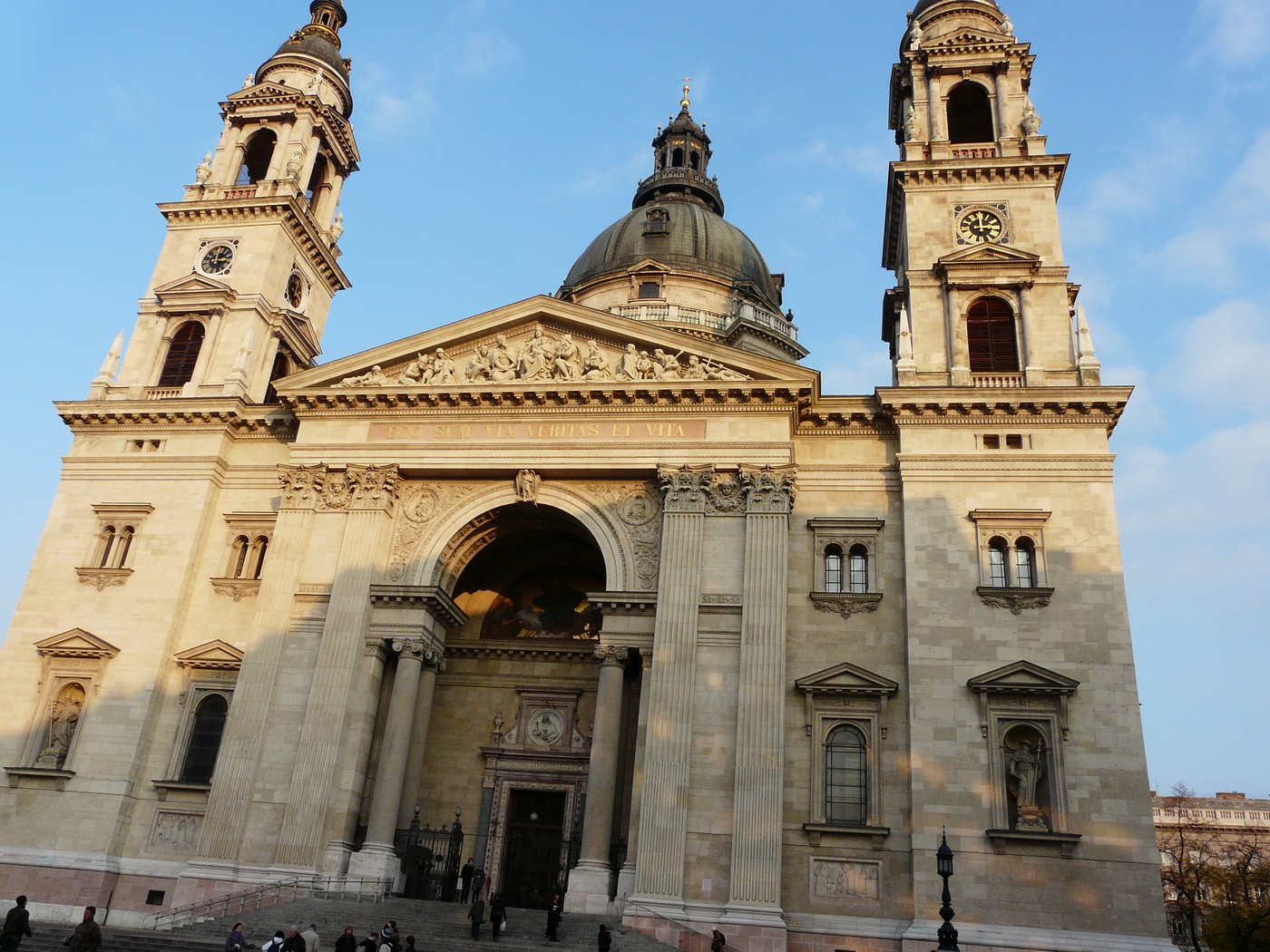
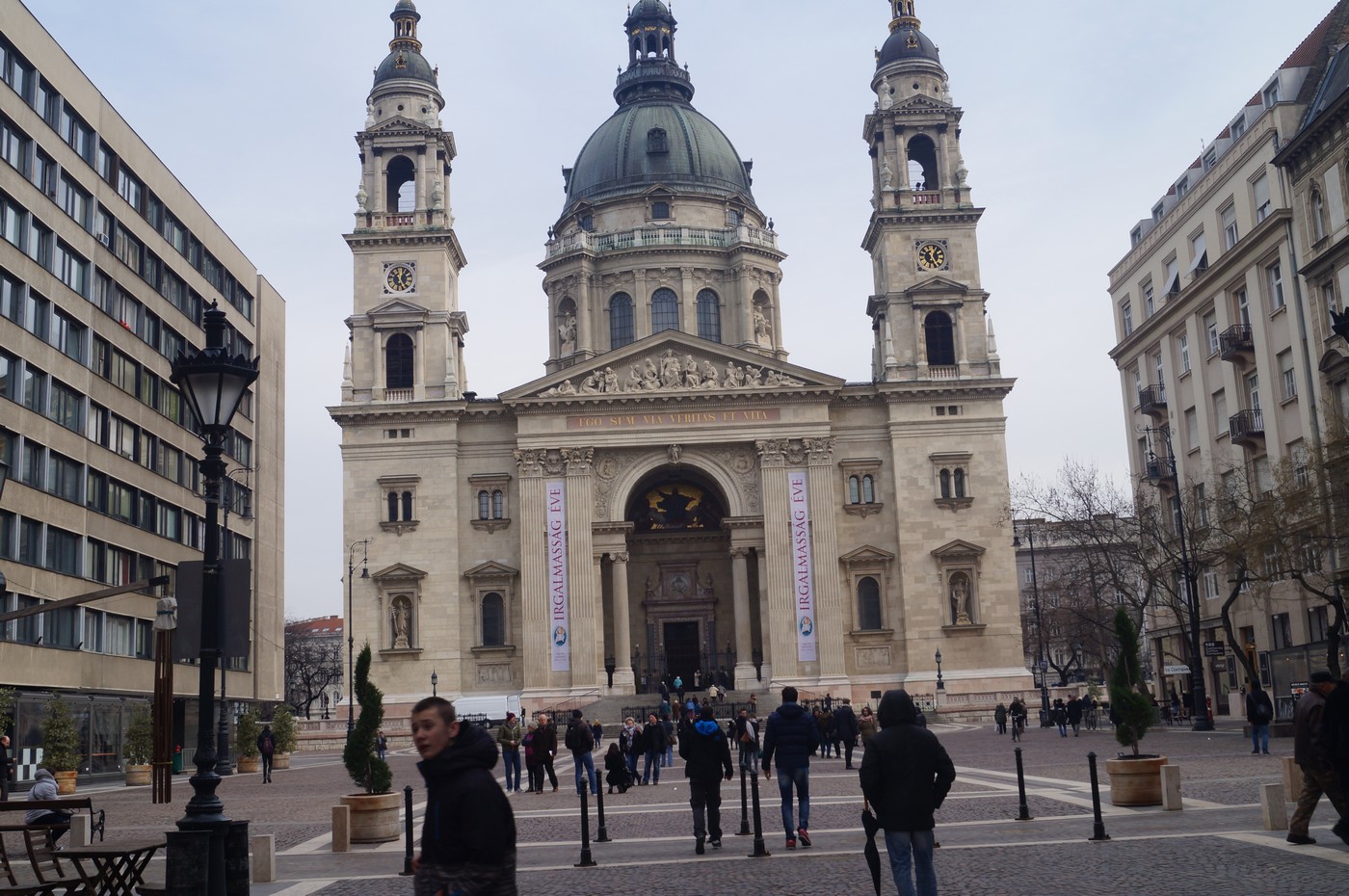
St. Stephen’s Basilica is the most important church in Budapest, located on St. Stephen’s Square in the very heart of the city. It was built on the site of an earlier church between 1851 and 1905, and it is named after St. Stephen, the first king of Hungary.
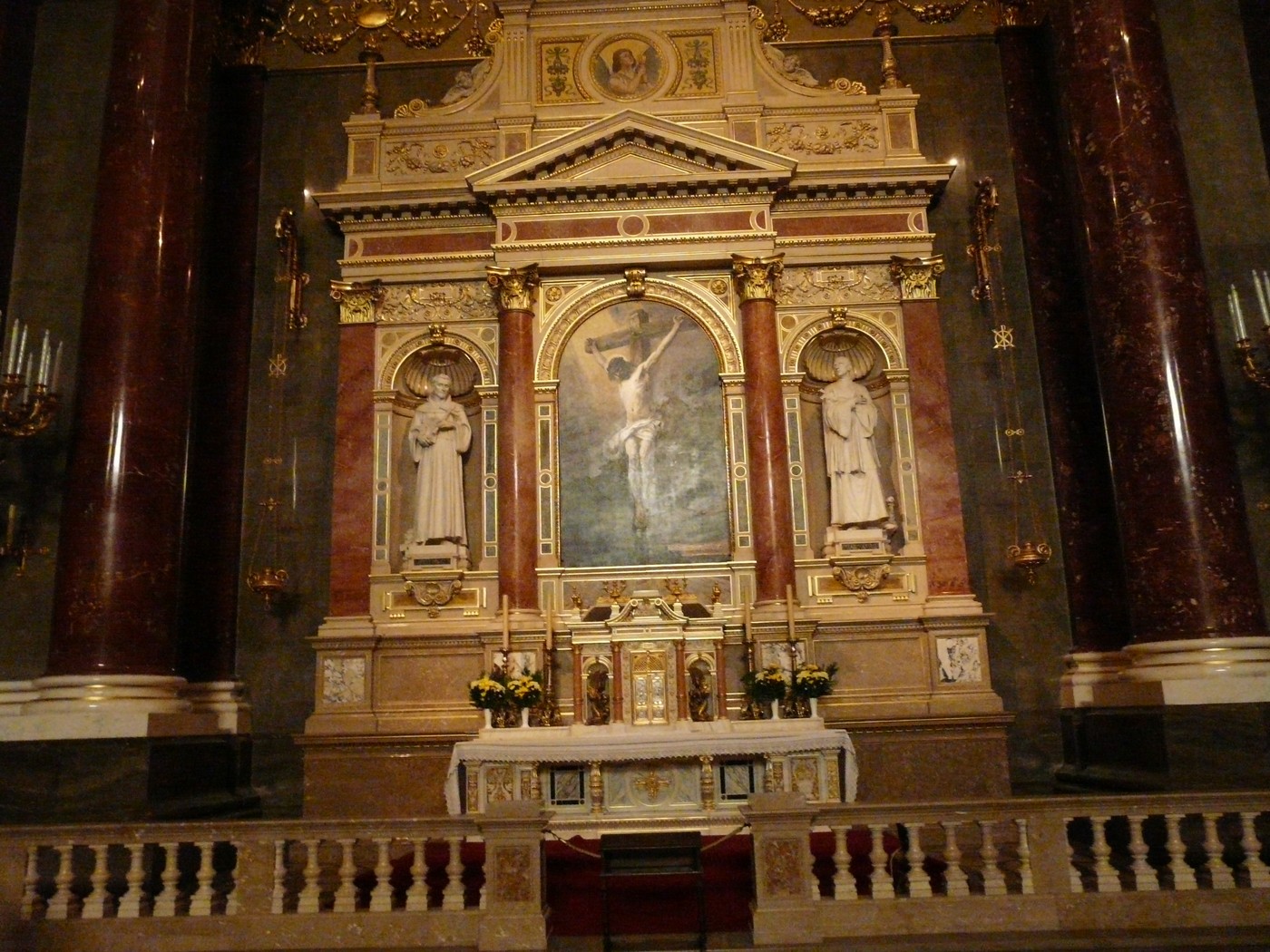
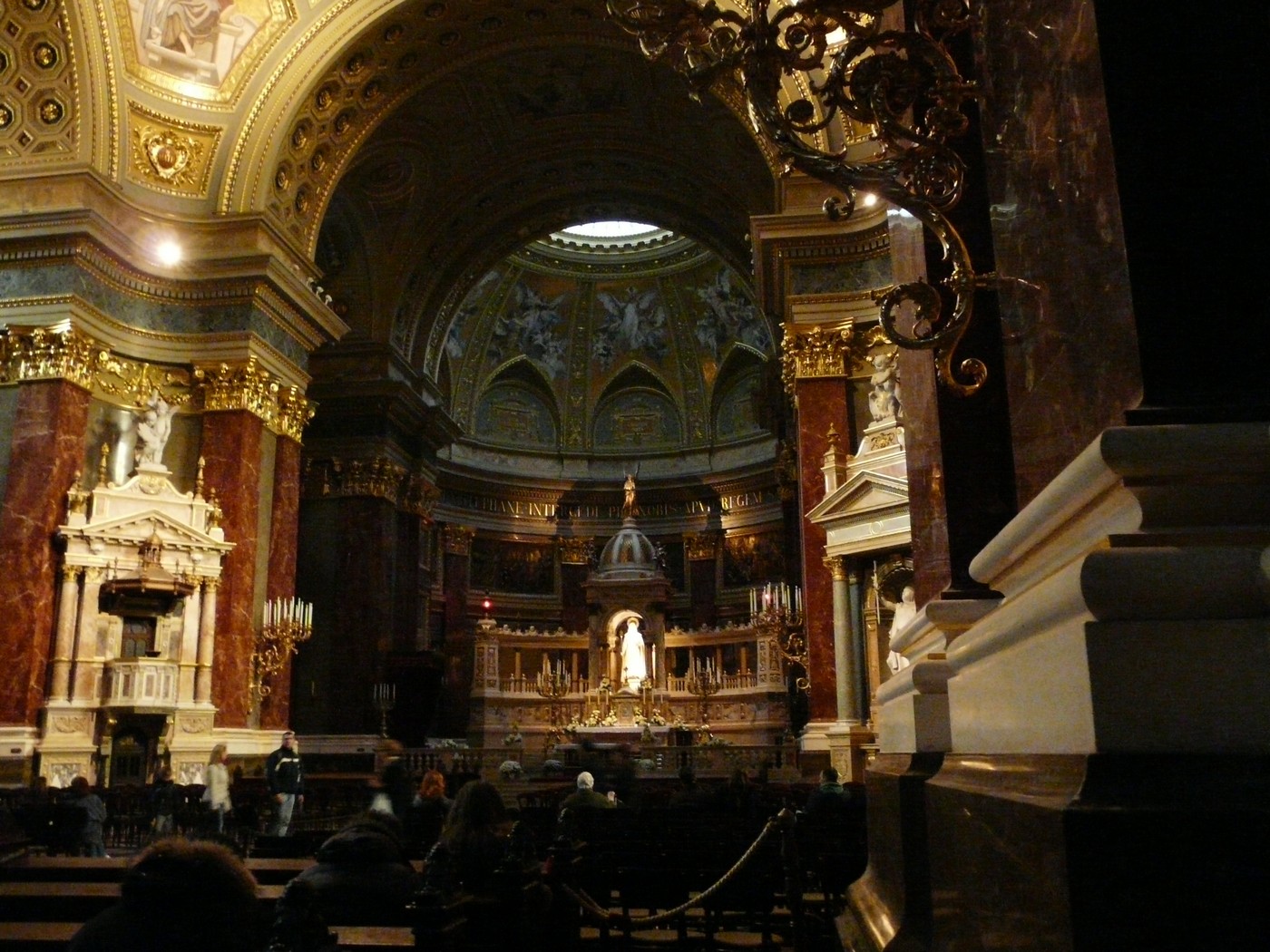
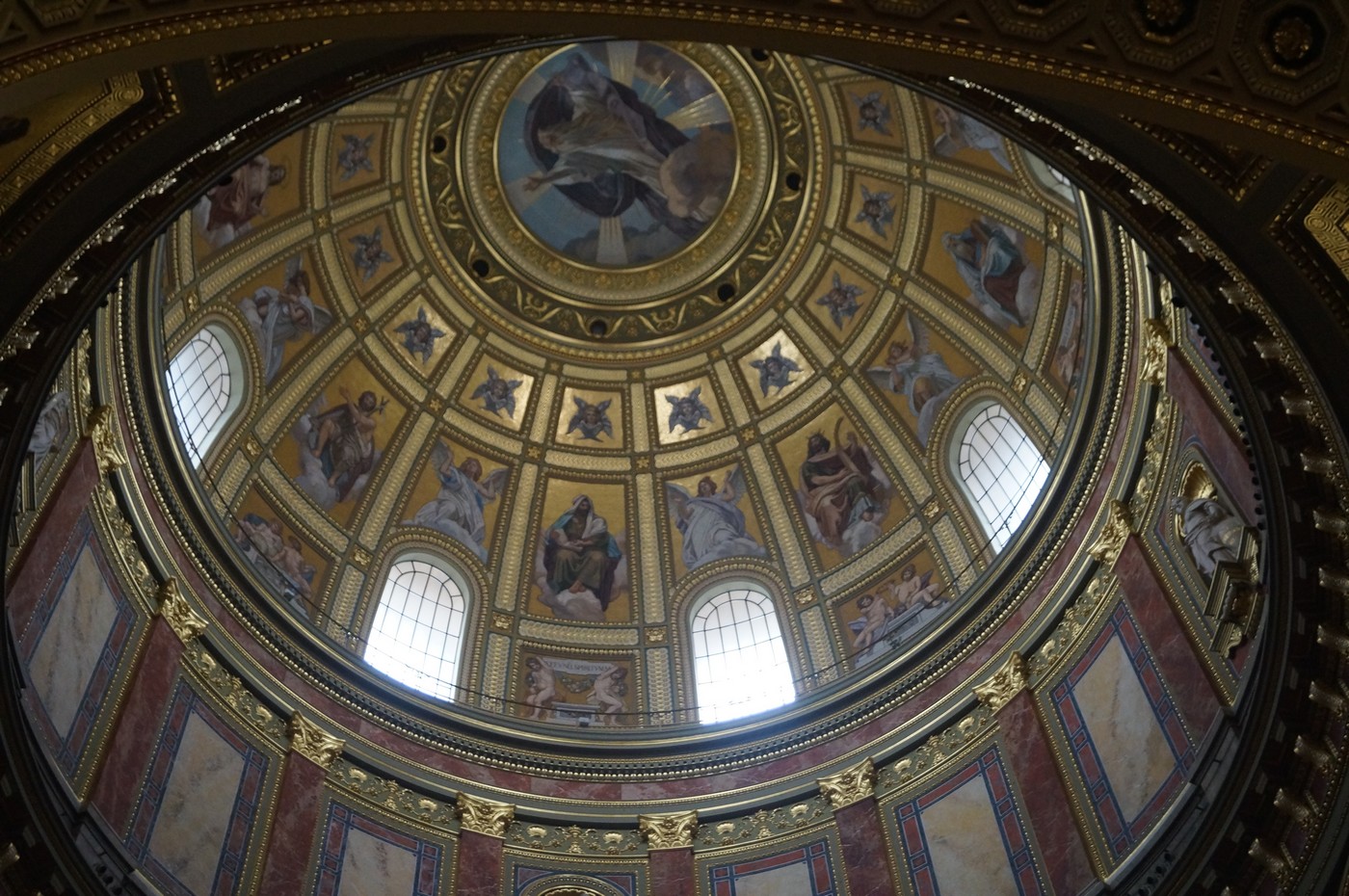
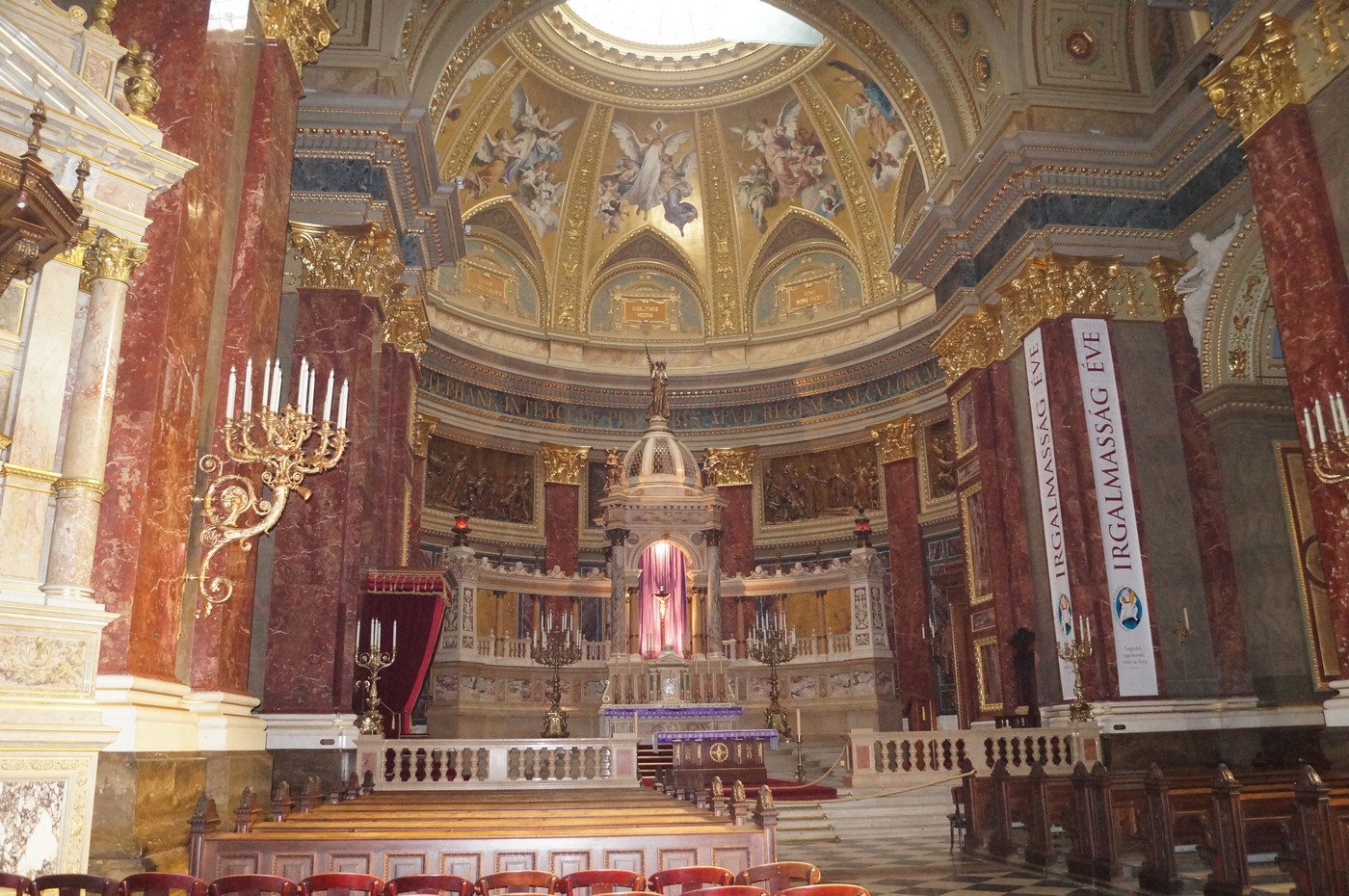
The basilica is one of Budapest’s most significant landmarks, renowned for its impressive architecture and rich history. Built in Neo-Gothic style, it features a tall tower and beautiful stained-glass windows. The interior is richly decorated with marble columns, mosaics, sculptures, and frescoes.
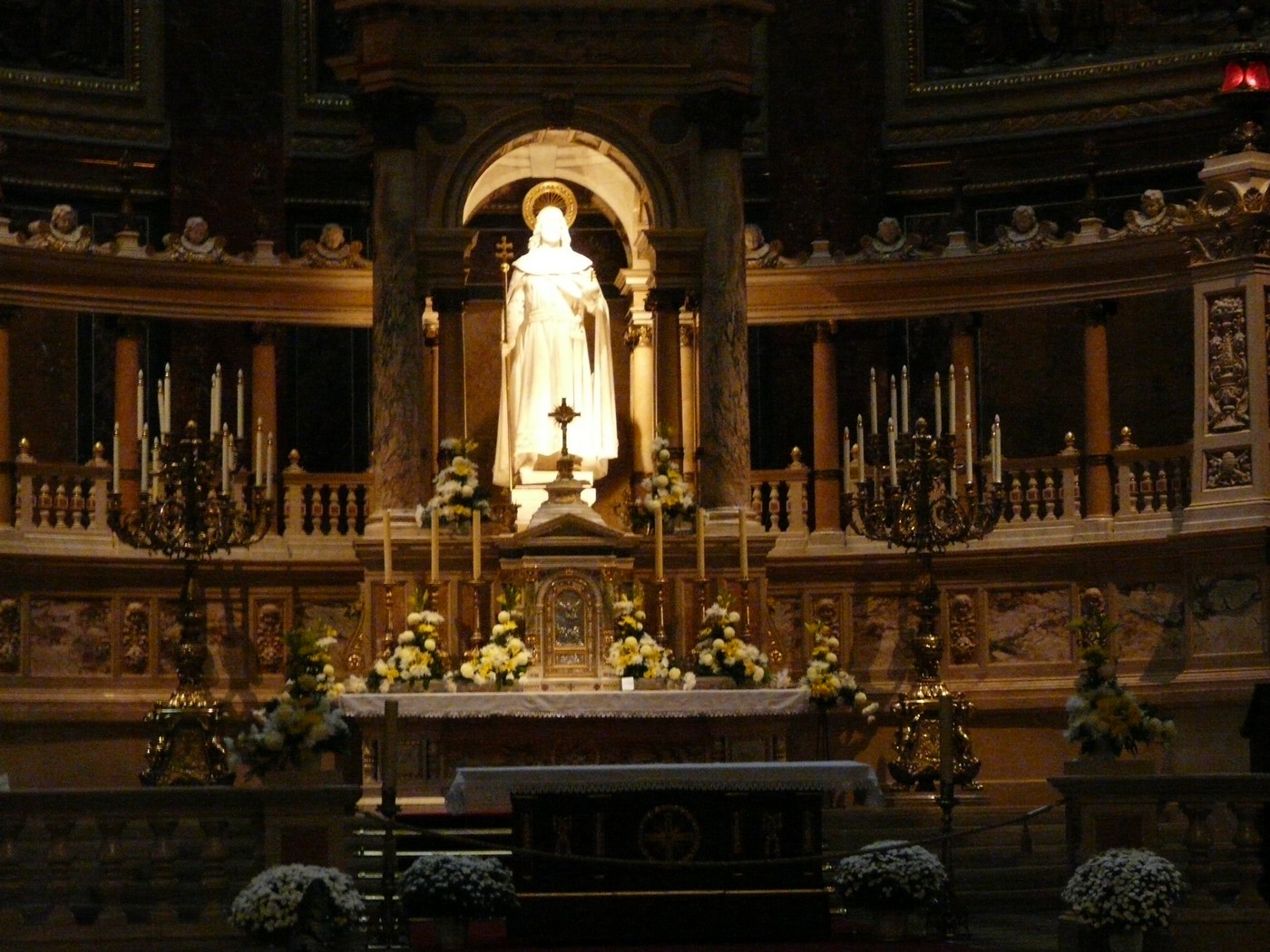
Inside the basilica, visitors can admire many valuable works of art, including the main altar depicting St. Stephen, as well as a silver reliquary that holds the saint’s relics. The church also houses a bell cast in 1911, one of the largest in the world.
St. Stephen’s Basilica is also a popular pilgrimage destination and an important religious center in Hungary. Numerous services, masses, and other religious ceremonies are held there.
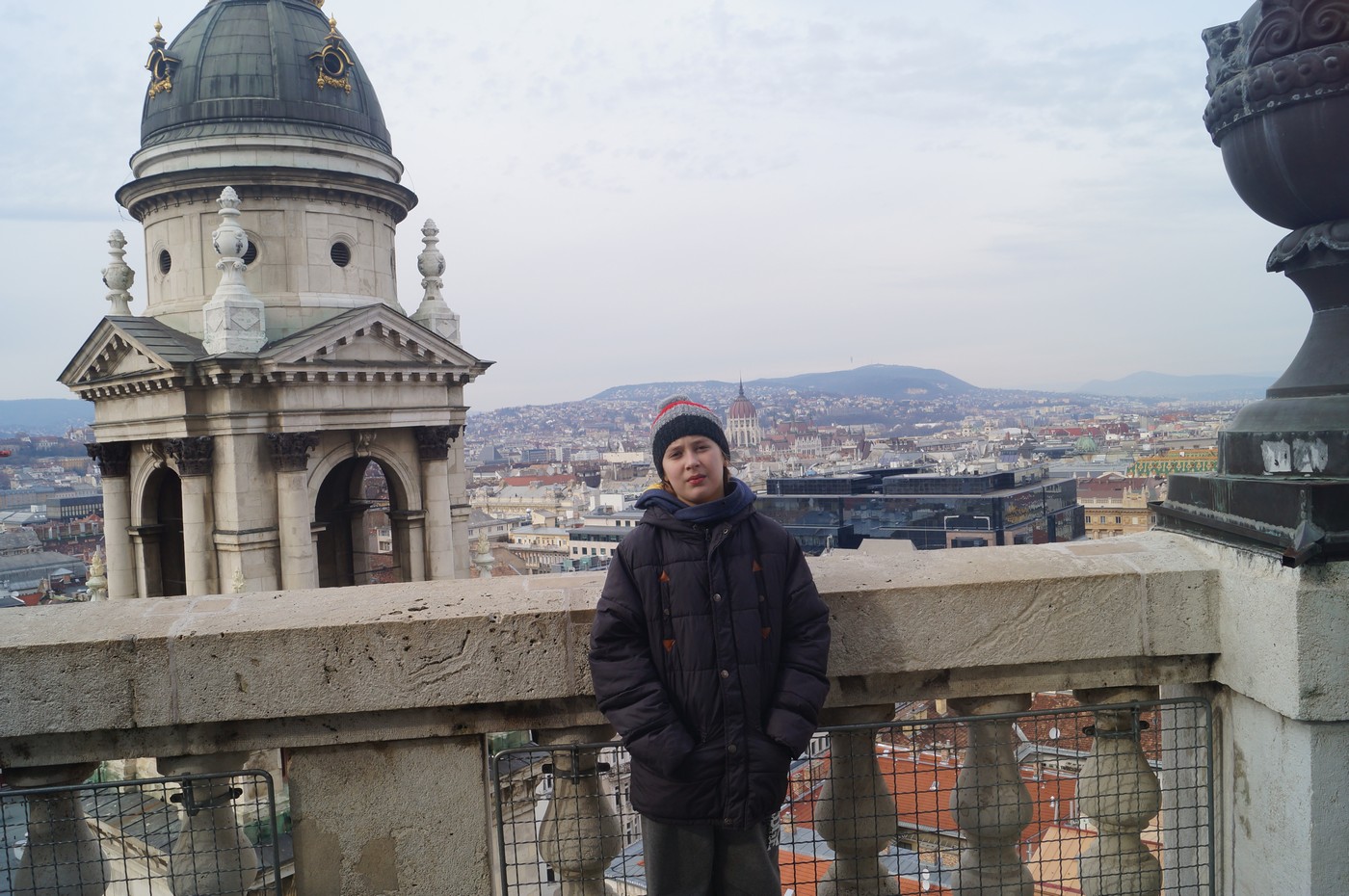
It is also worth mentioning that from the basilica’s tower, one can enjoy a stunning panoramic view of Budapest, especially of the Danube River and the nearby Hungarian Parliament.
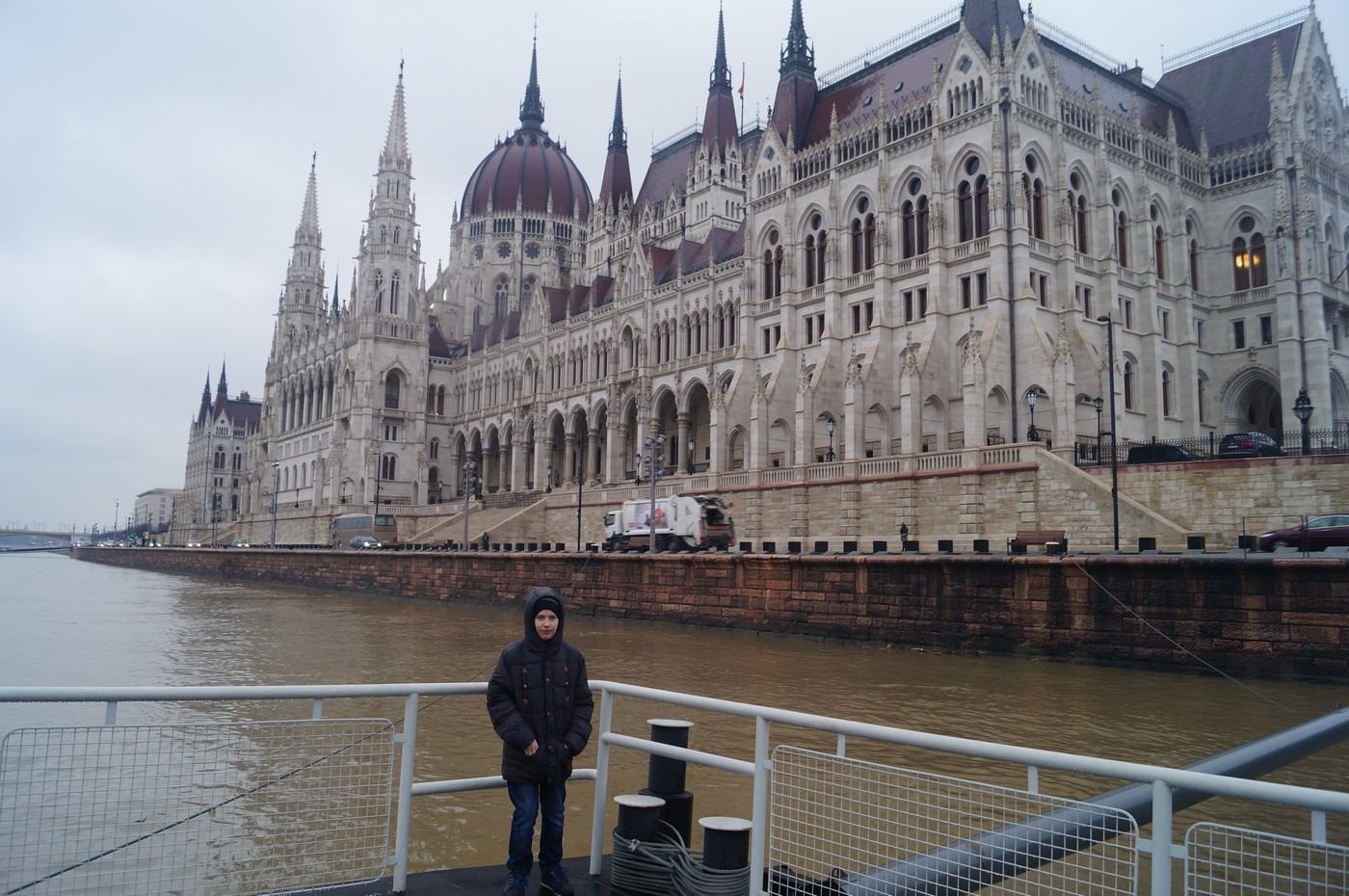
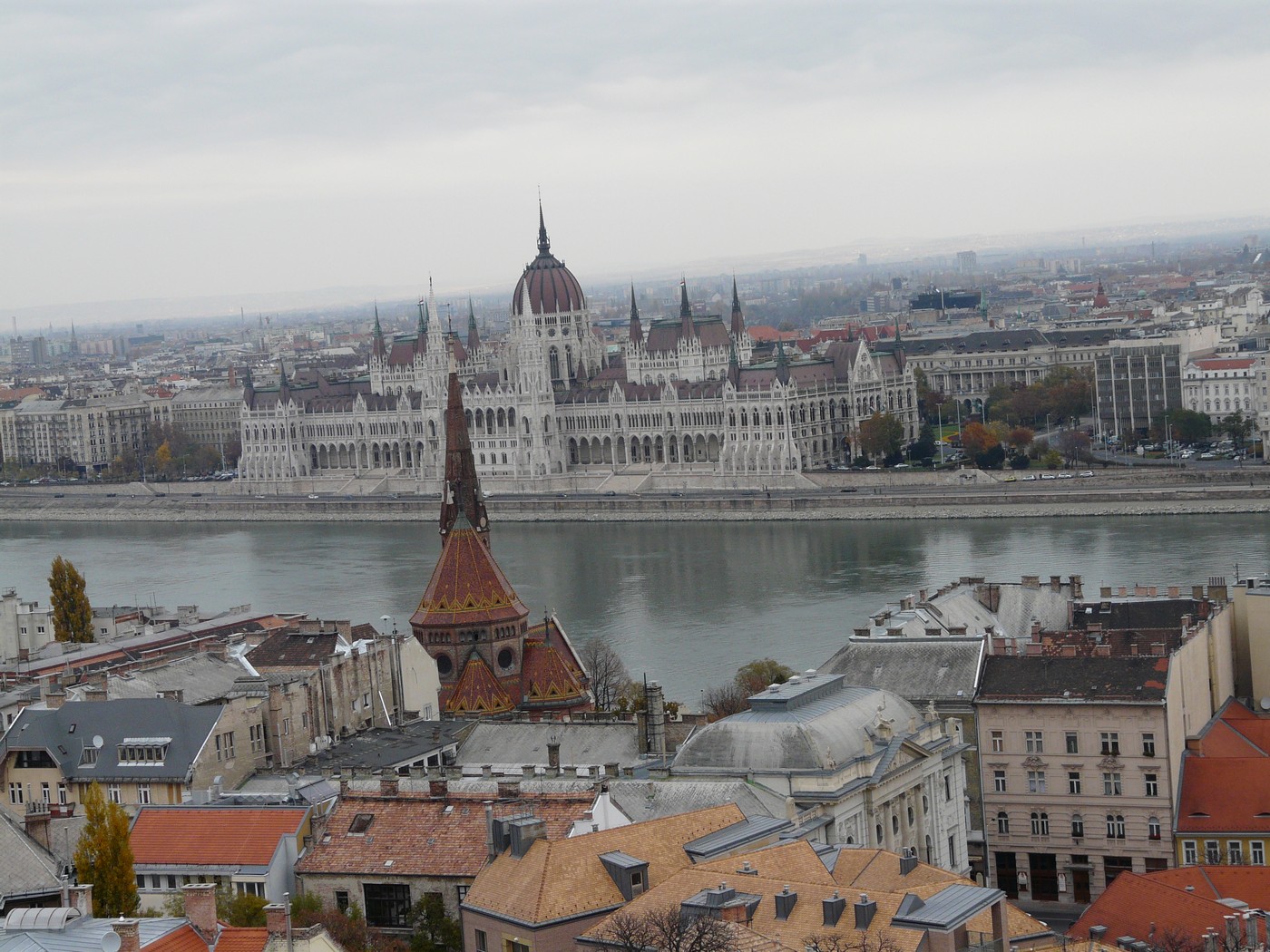
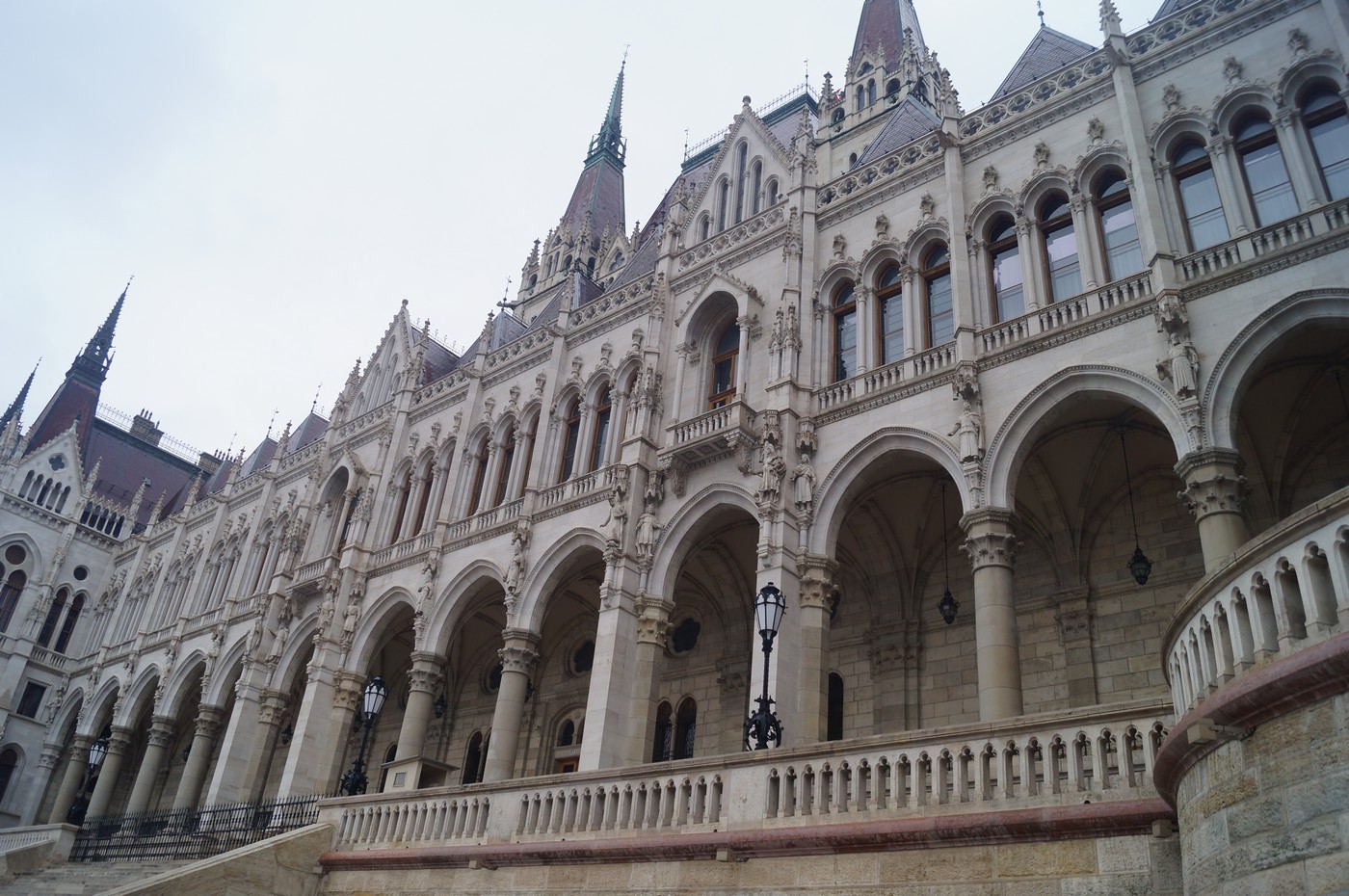
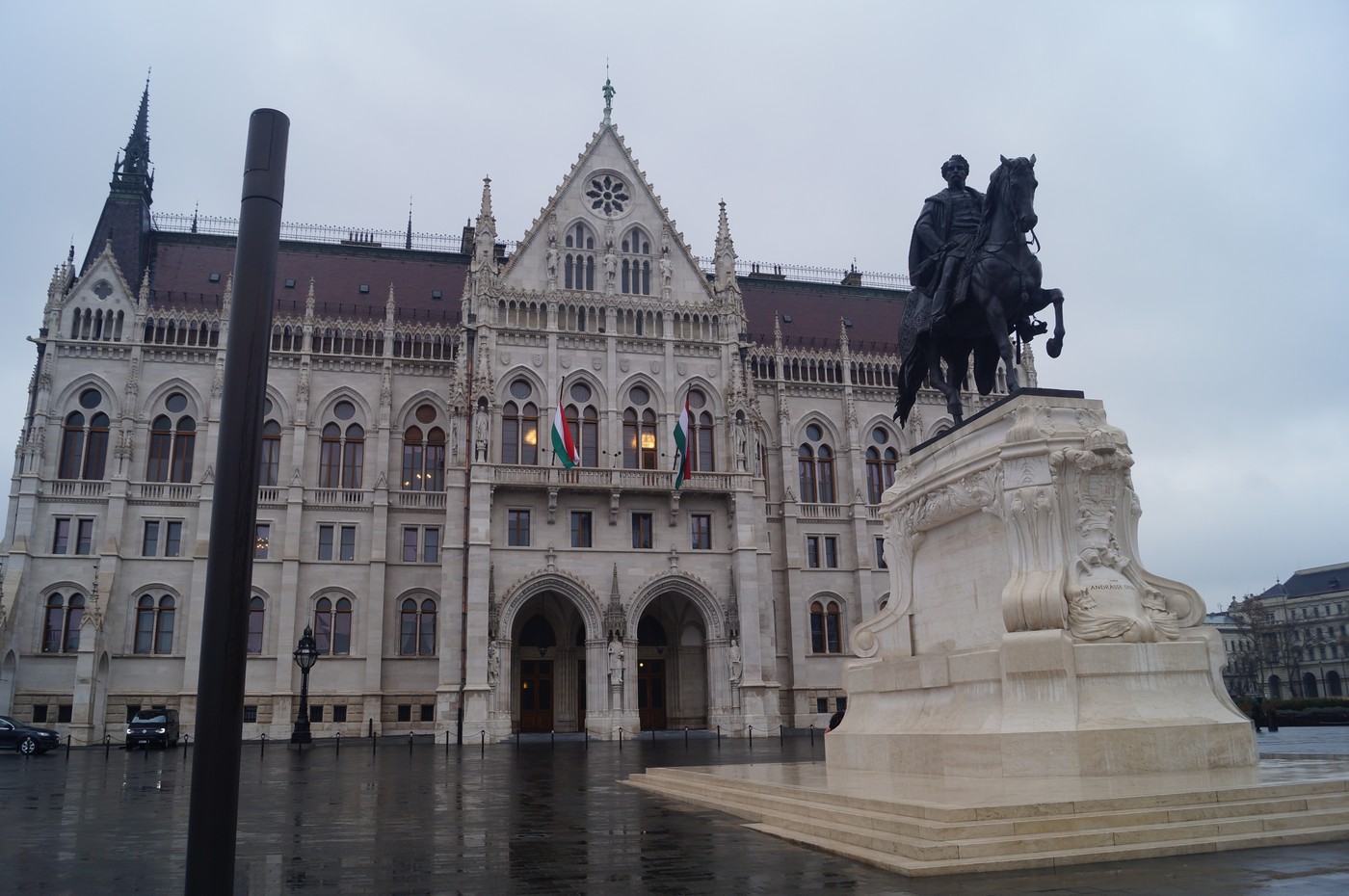
The Parliament building in Budapest is one of the city’s most important landmarks and symbols. It stands on the bank of the Danube River, opposite Castle Hill and St. Stephen’s Basilica.
Constructed between 1885 and 1904 in Neo-Gothic style, the building was designed by Hungarian architect Imre Steindl. Covering an area of over 18,000 square meters, it is 268 meters long and 96 meters high, making it one of the largest parliamentary buildings in the world.
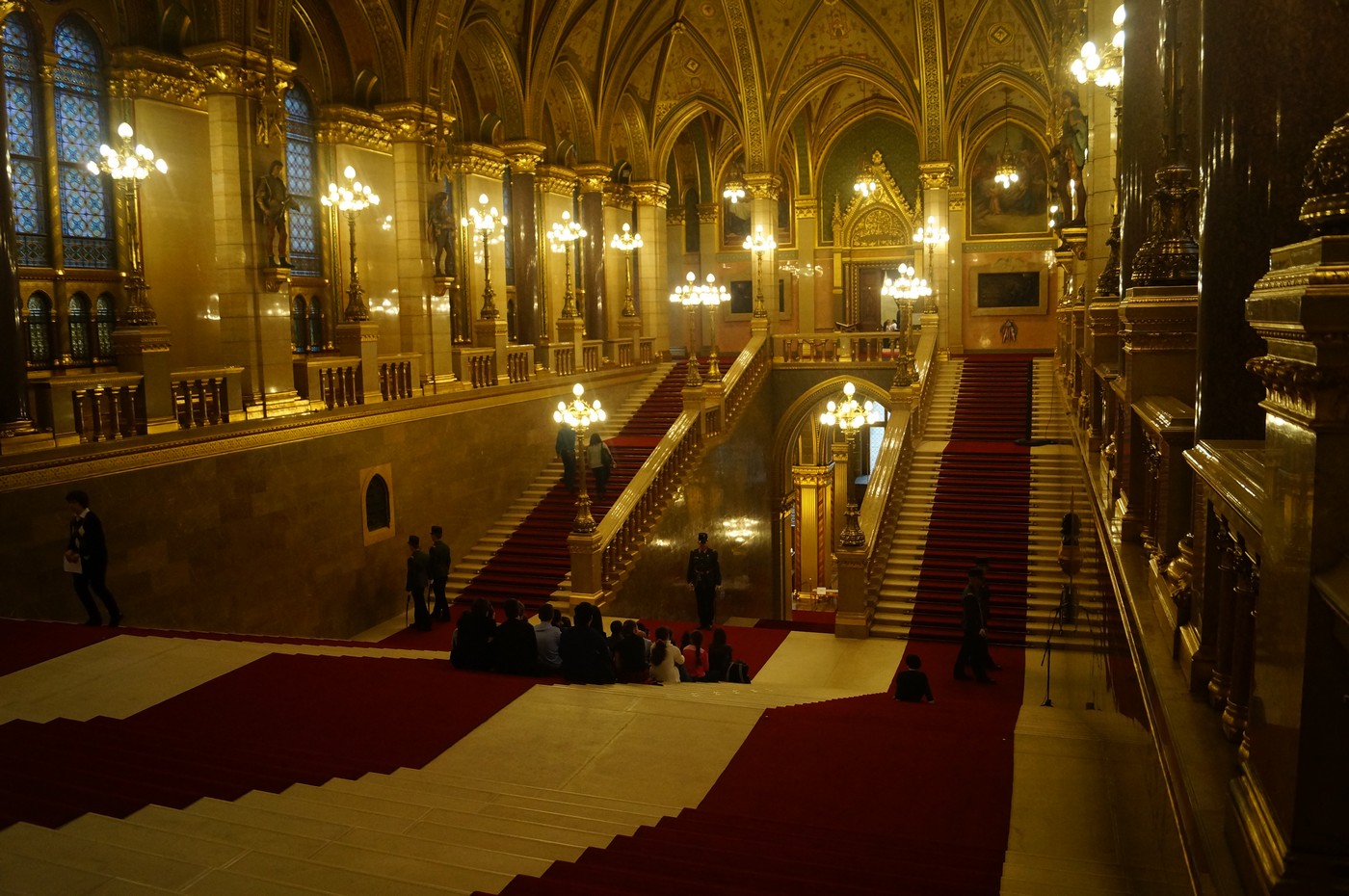
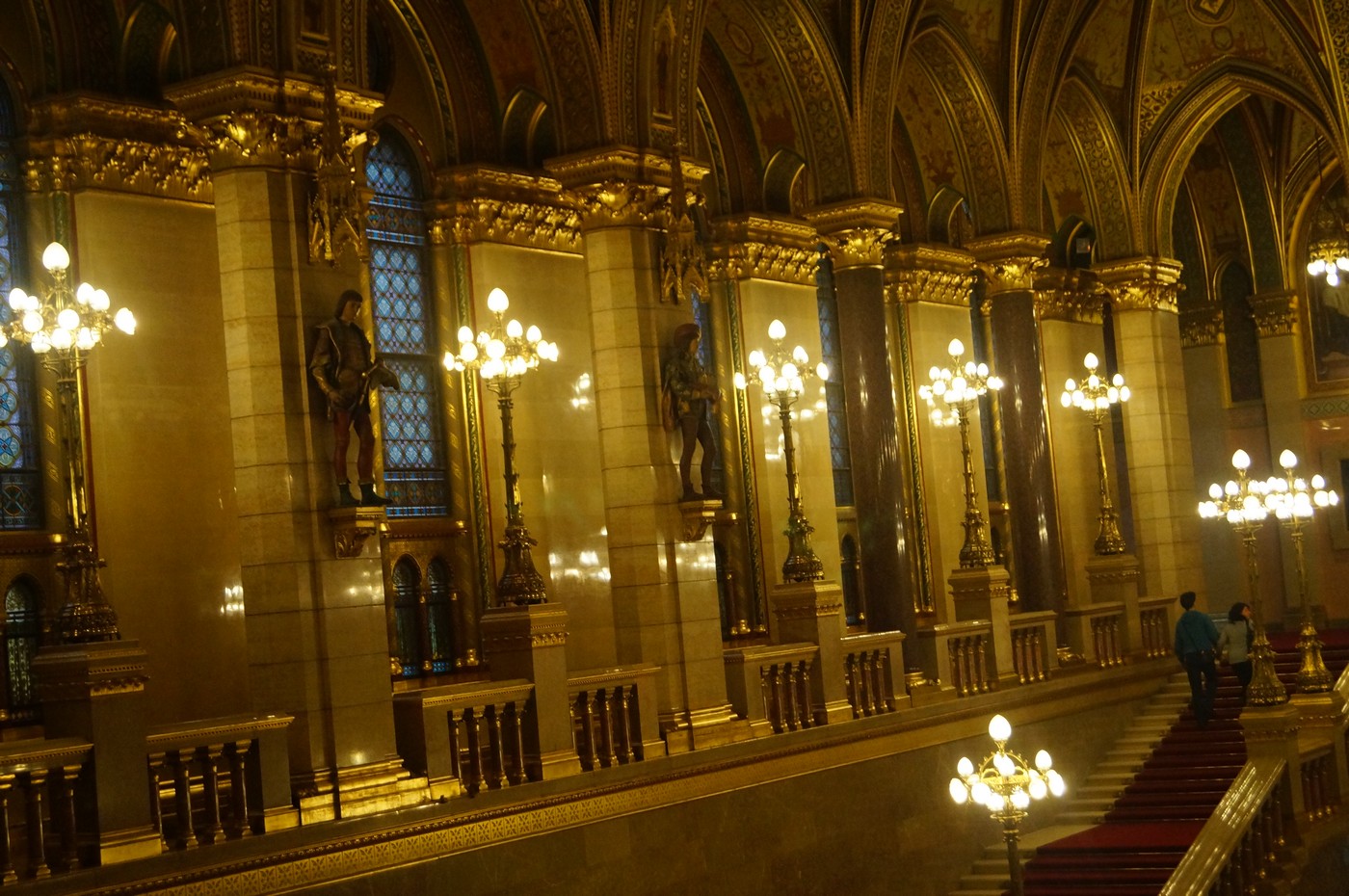
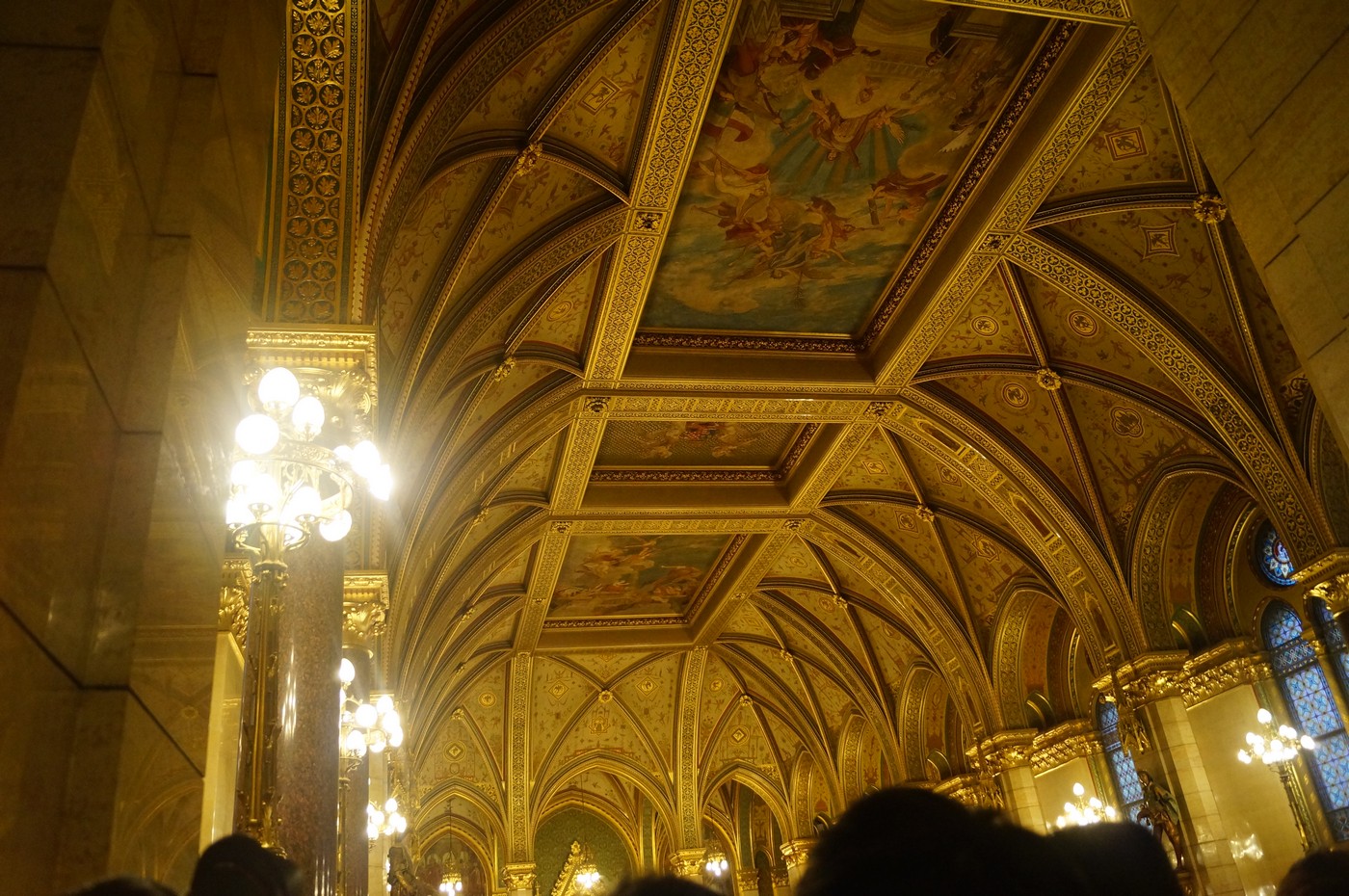
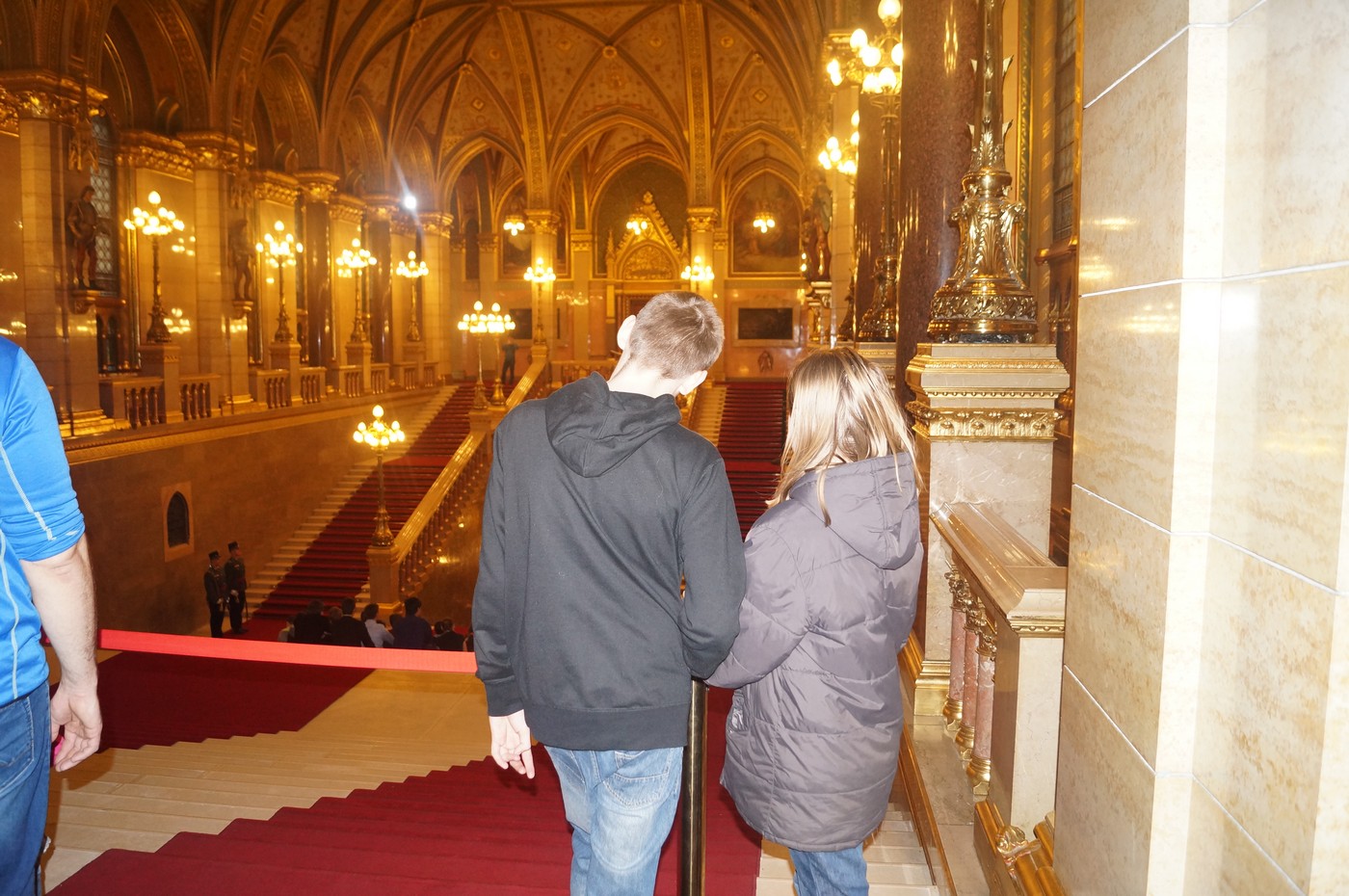
The Parliament is richly decorated with sculptures, mosaics, and stained-glass windows depicting significant moments from Hungarian history. Inside, visitors can see numerous artistic treasures, including the marble staircase, the assembly hall, and the coronation hall.
The building’s main attraction, however, is its façade, which is beautifully illuminated at night, creating an unforgettable view. It is also one of the city’s most popular tourist destinations, with many restaurants, cafés, and souvenir shops nearby.
It should also be noted that the Parliament building is not only a historic monument but also the seat of the Hungarian National Assembly, where important debates and votes take place.
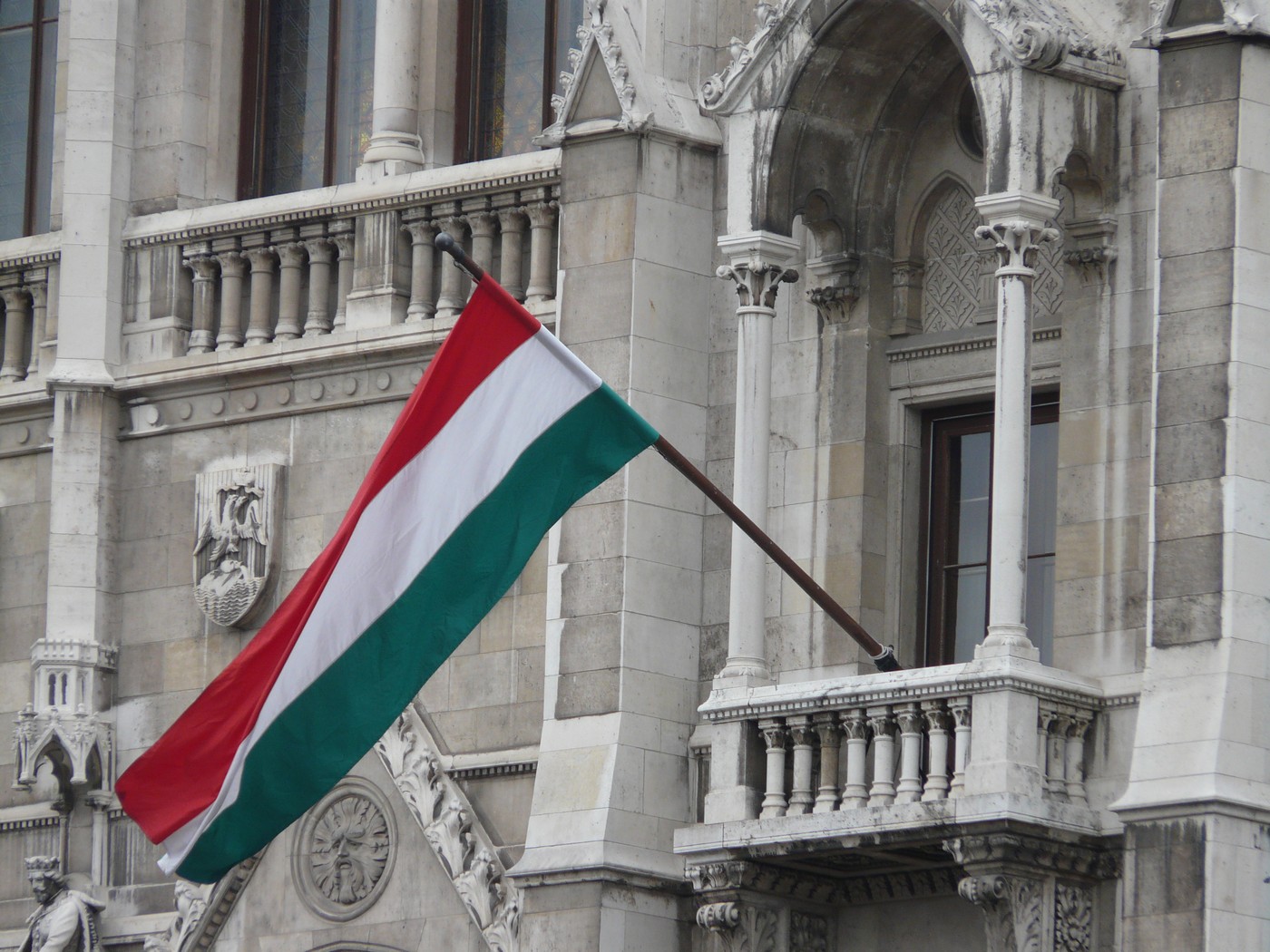
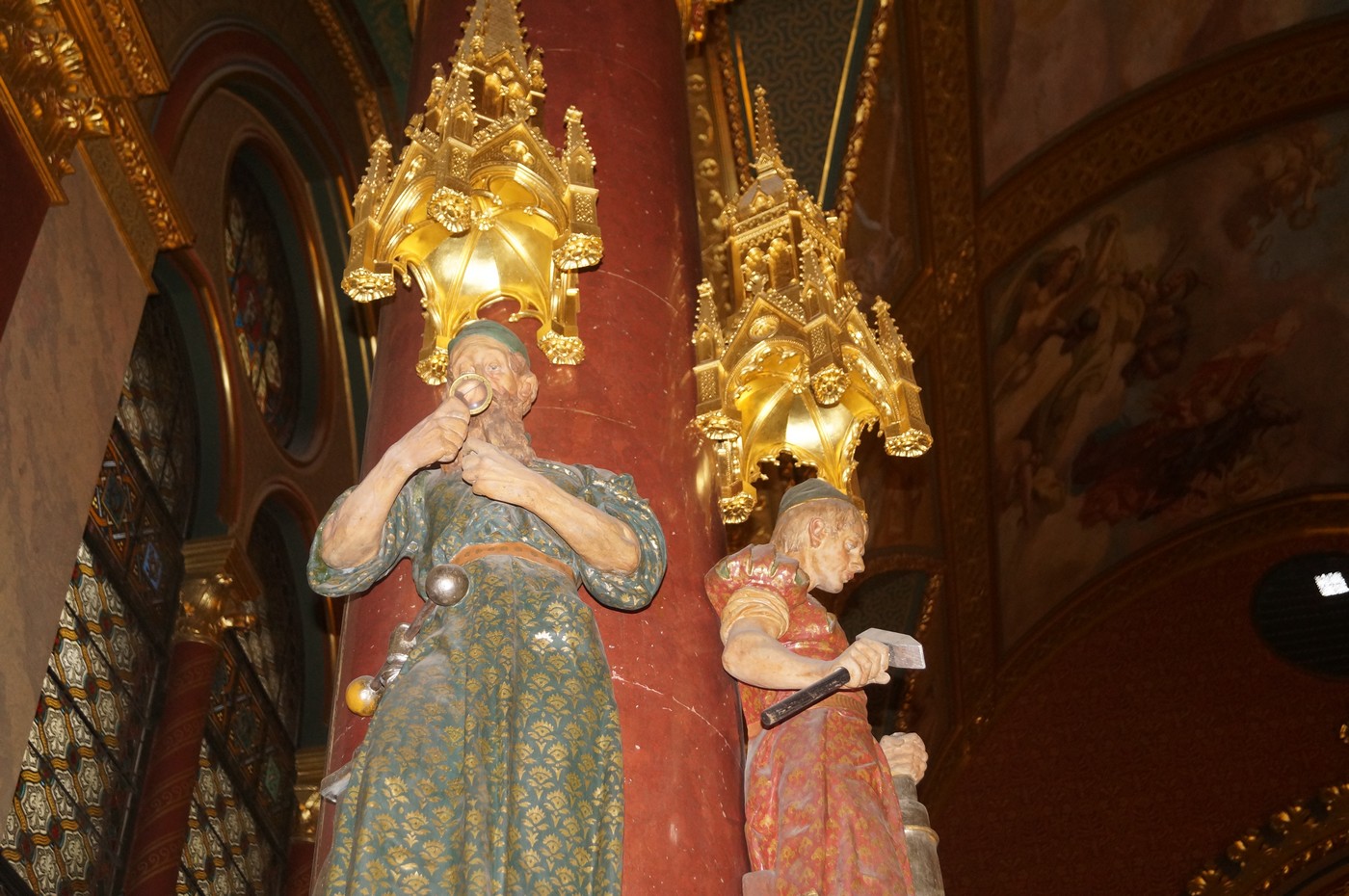
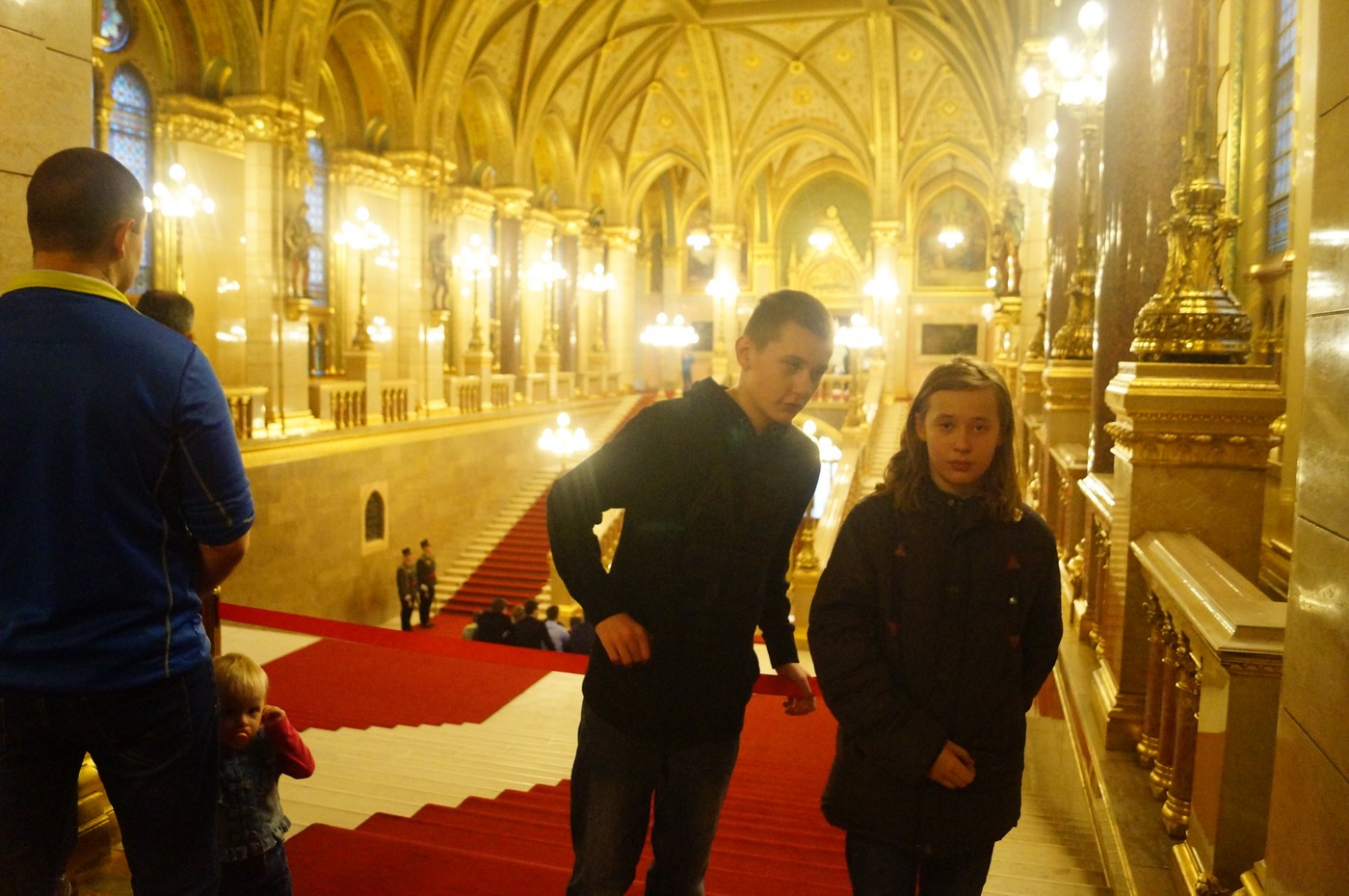
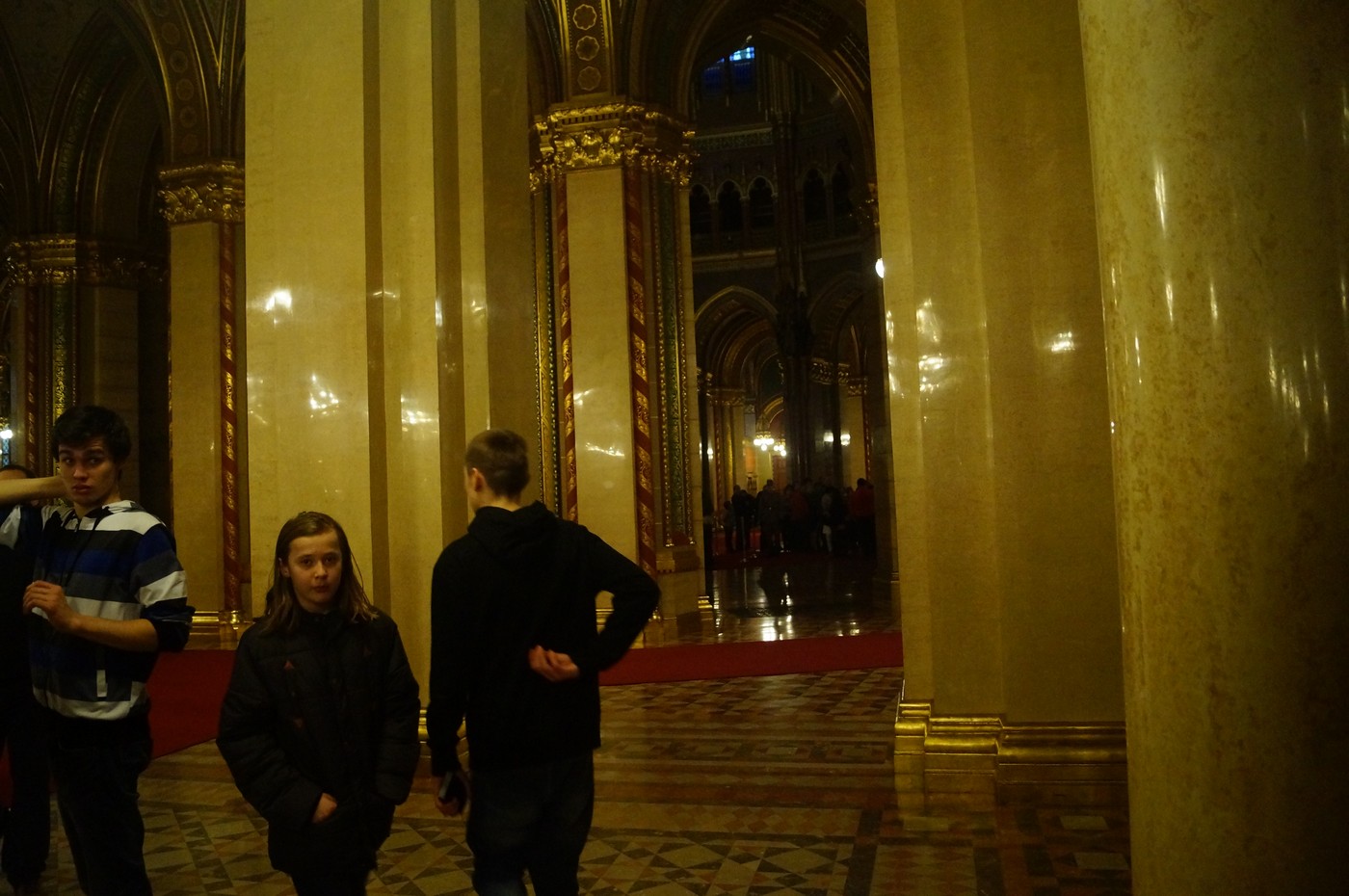
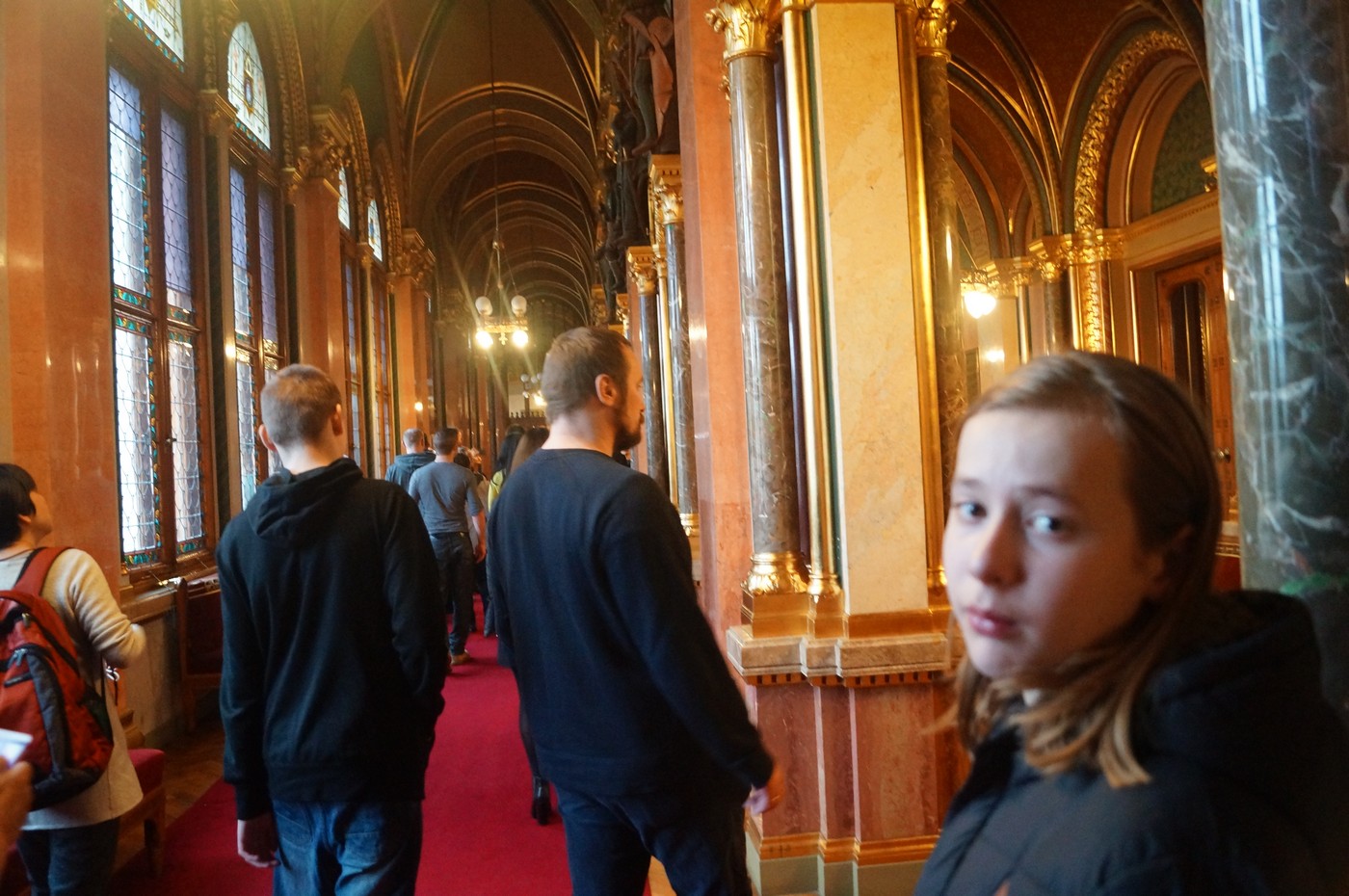
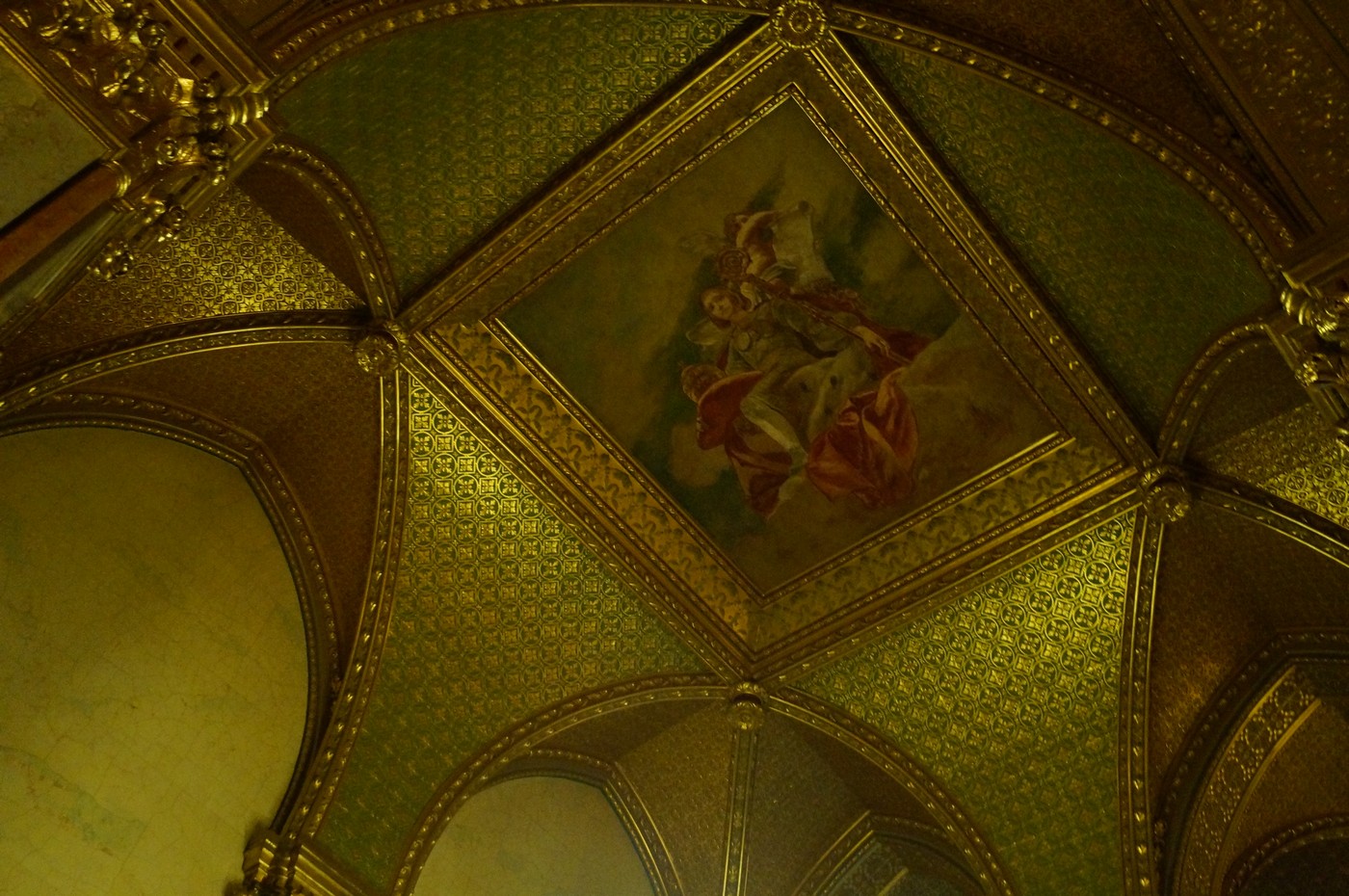
One of the two parliamentary chambers, open to the public, it can accommodate 453 members. On the wall of the assembly hall are the coats of arms of the dynasties that ruled Hungary, including the Jagiellonian coat of arms — a white eagle on a red background.
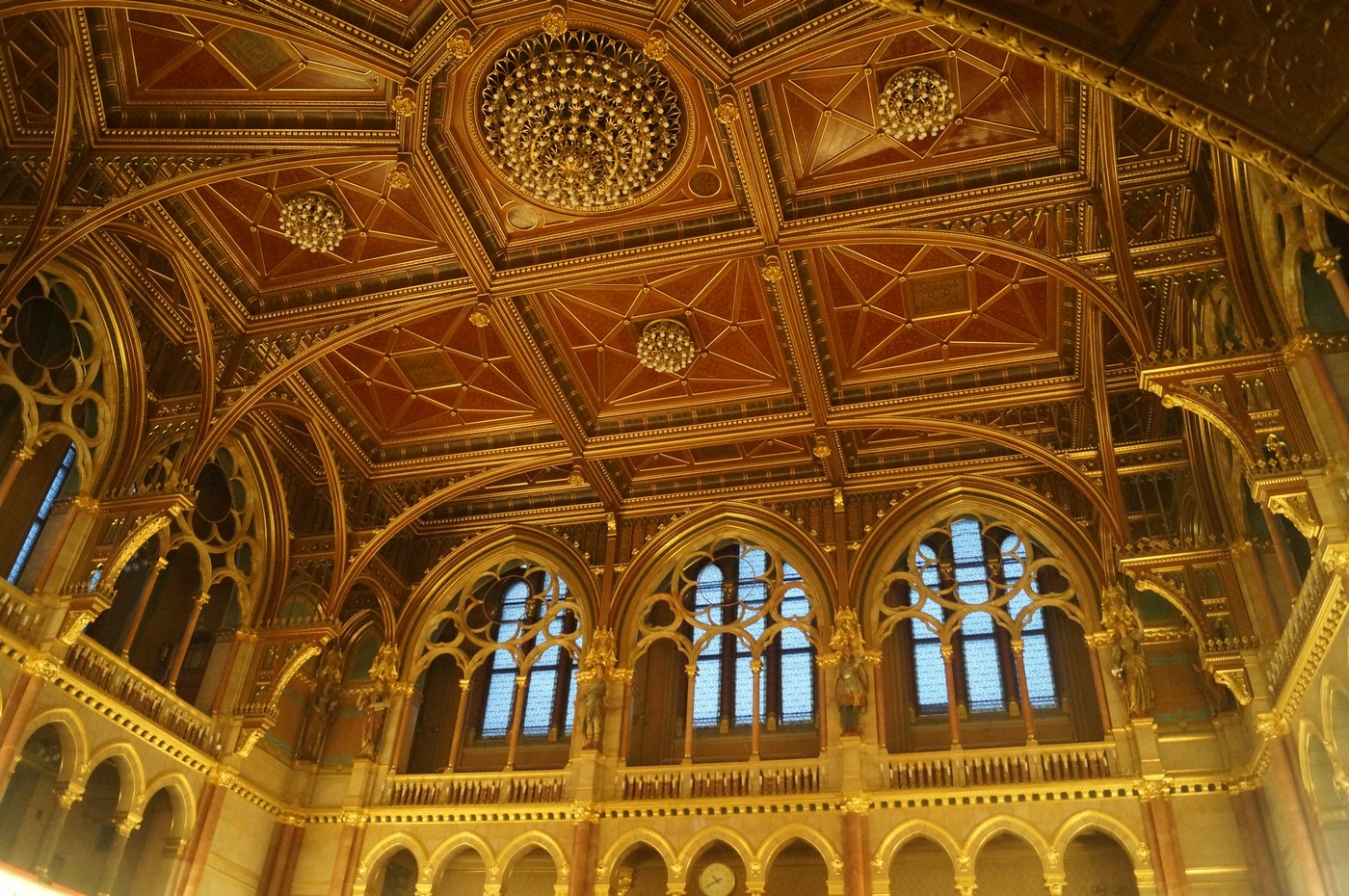
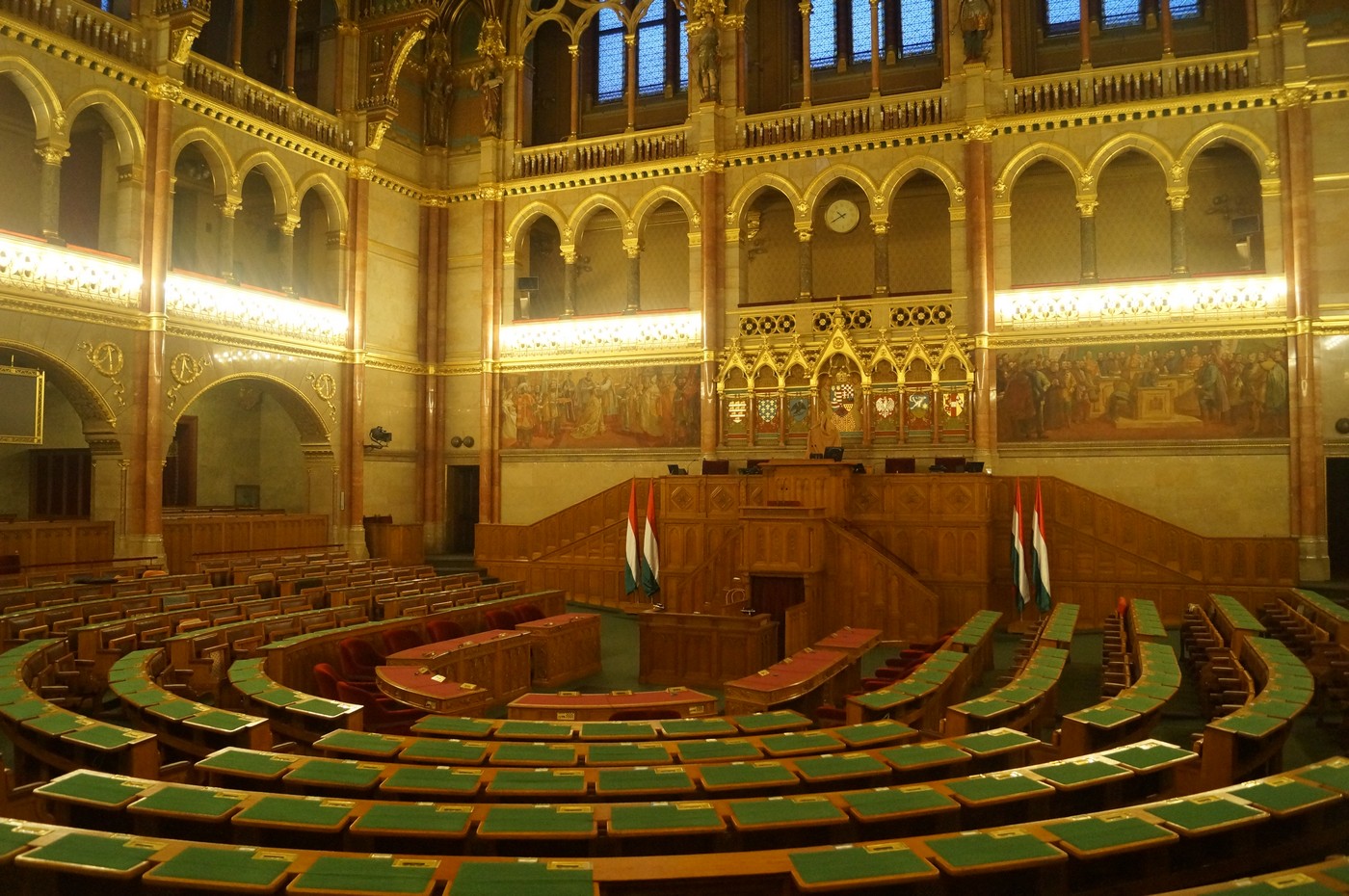
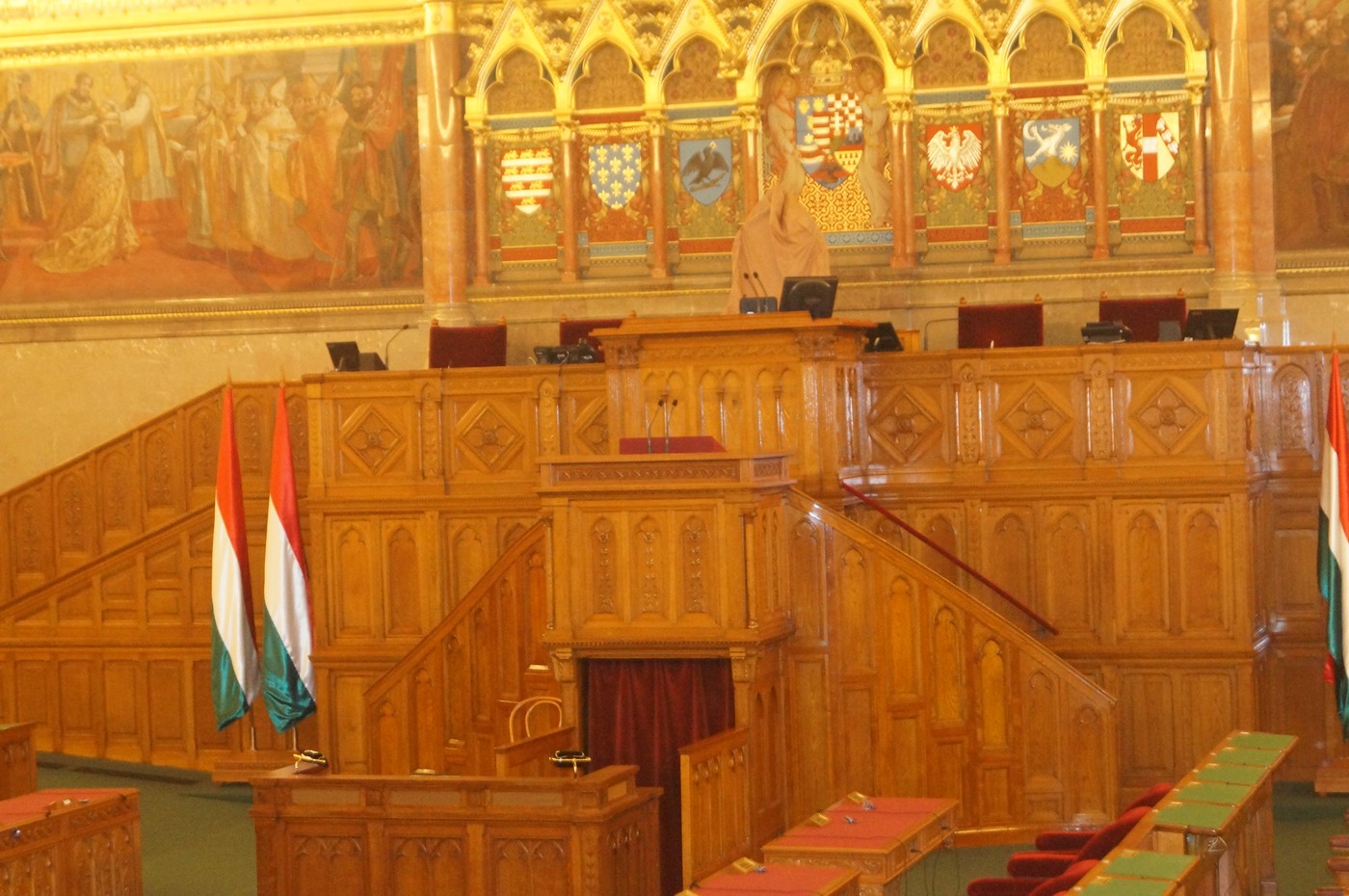
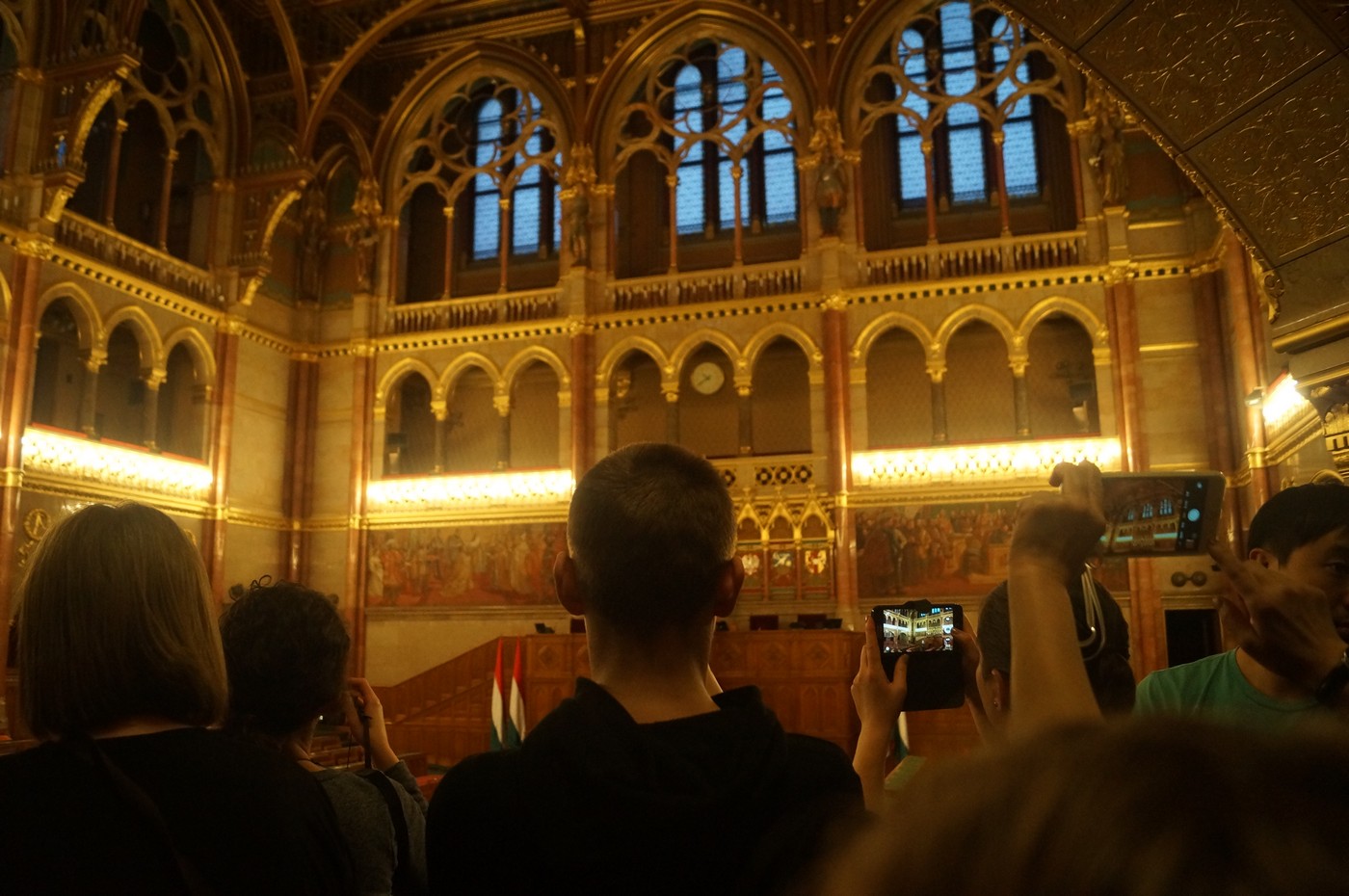
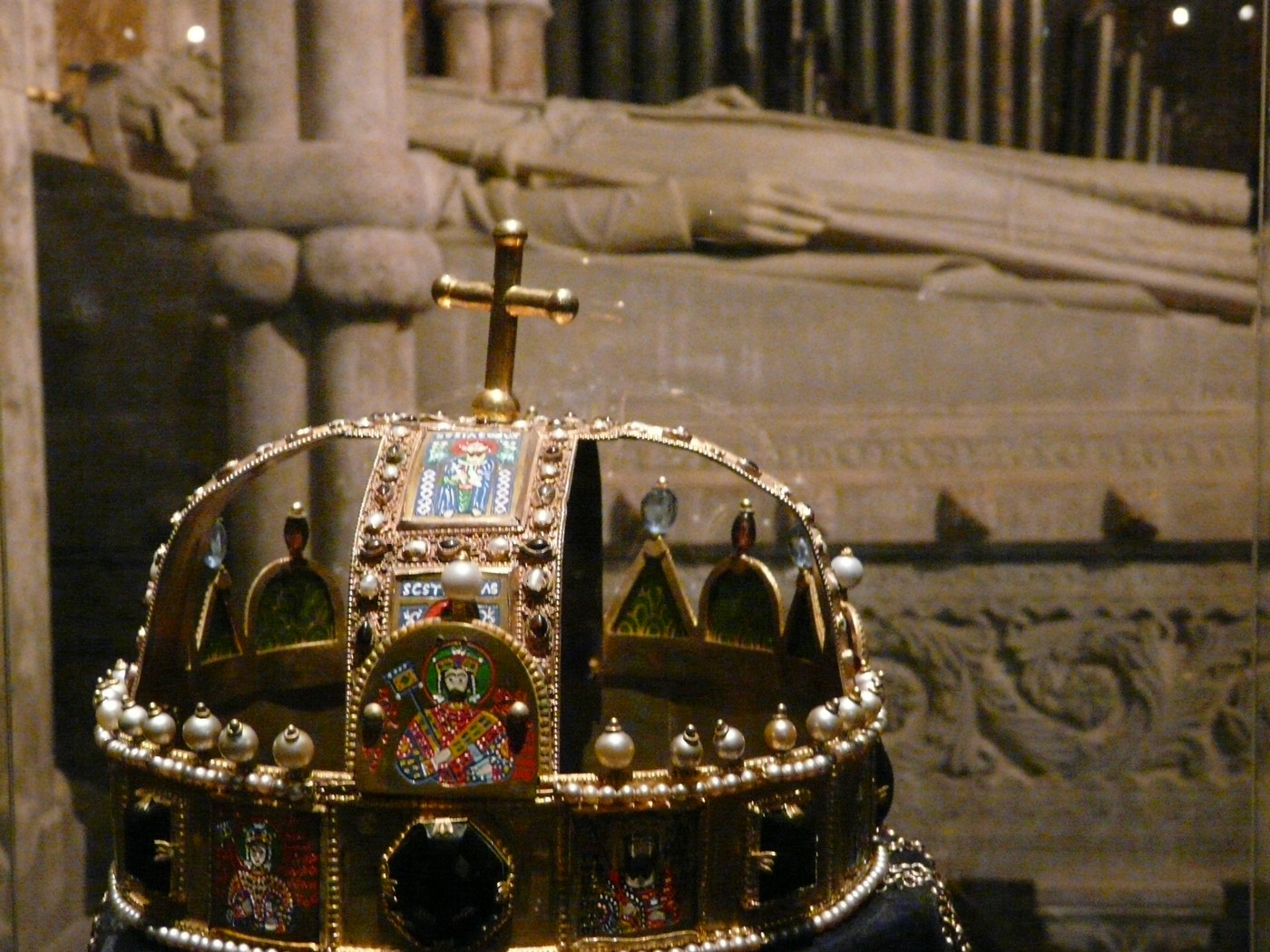
The main hall is one of the most impressive parts of this monumental building. It is richly decorated in Neo-Gothic style with Neo-Renaissance elements. The hall leads to the Dome Hall, where the Holy Crown of St. Stephen, the symbol of the Hungarian monarchy, is kept.
Located on the western bank of the Danube, opposite the other part of the city, Pest. Buda is one of the oldest districts of the city, filled with historic monuments and picturesque views.
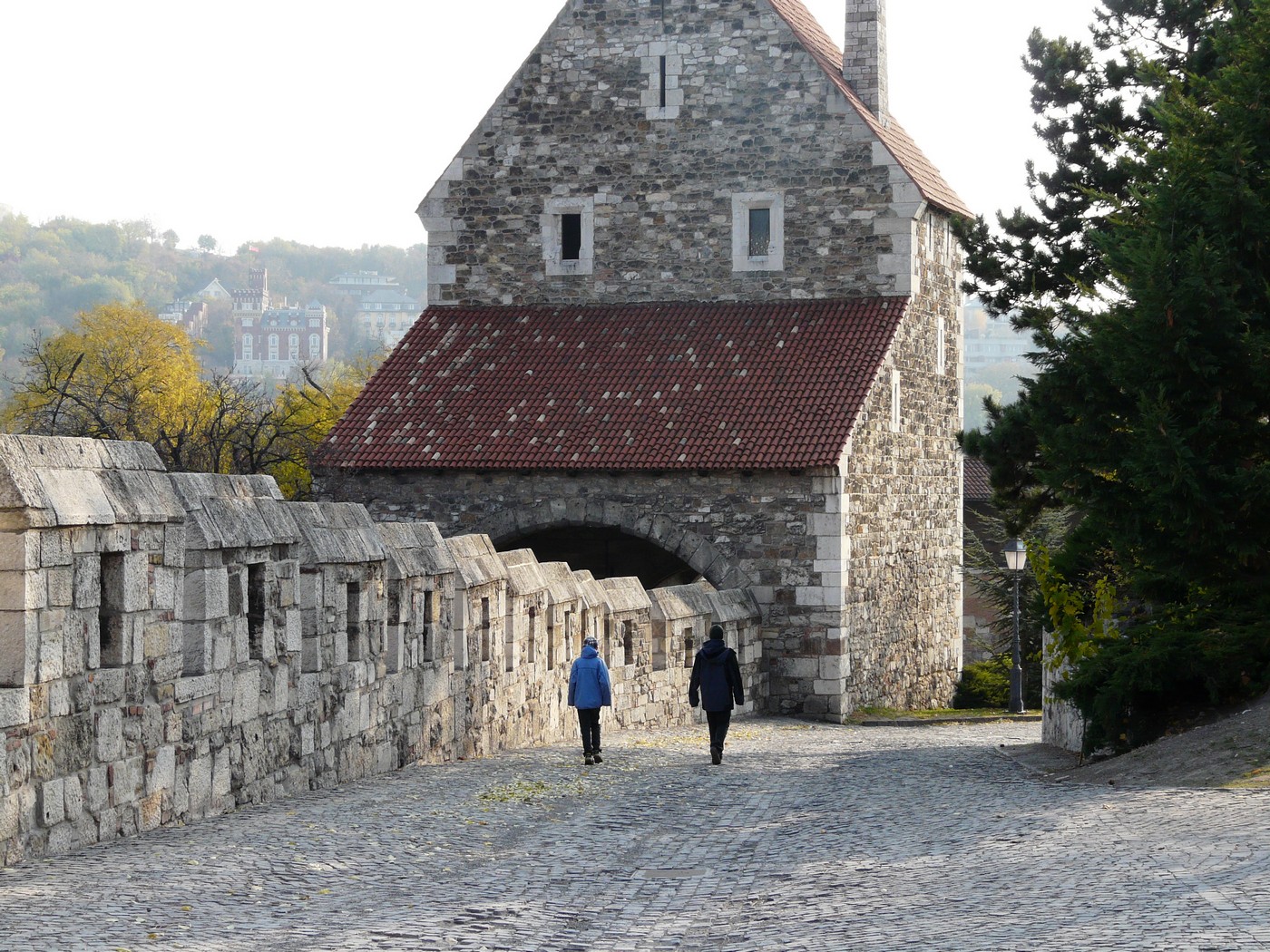
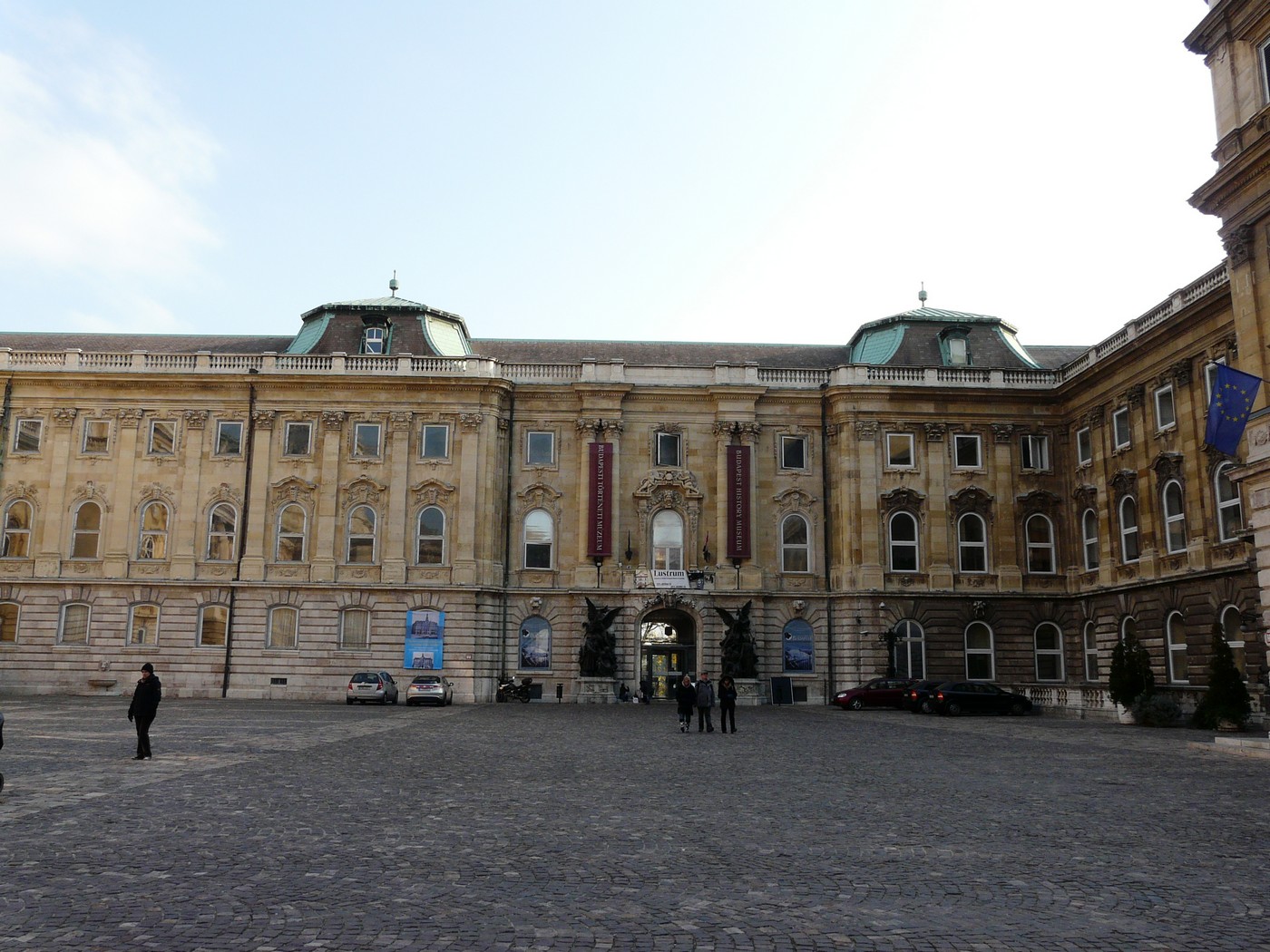
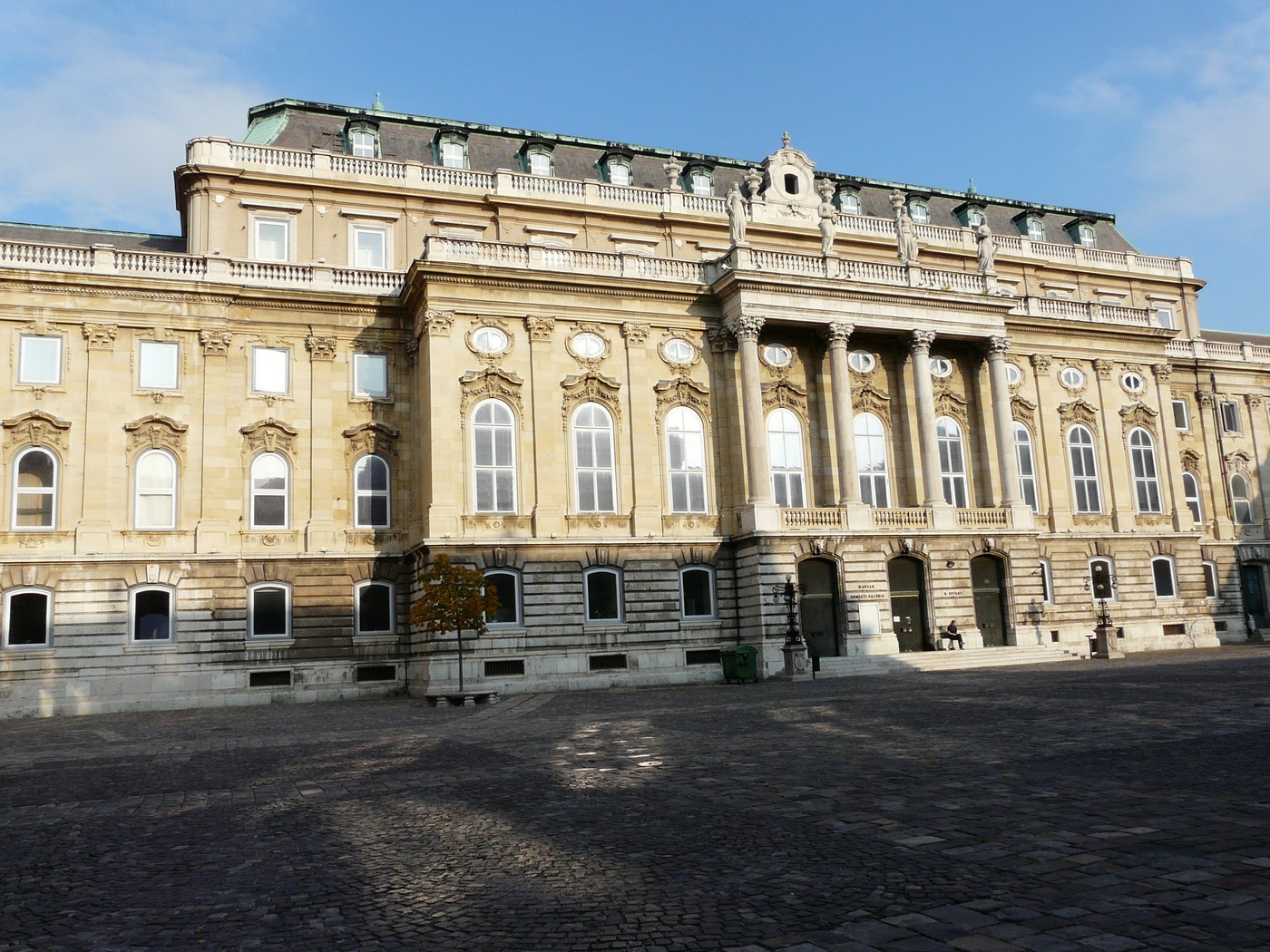
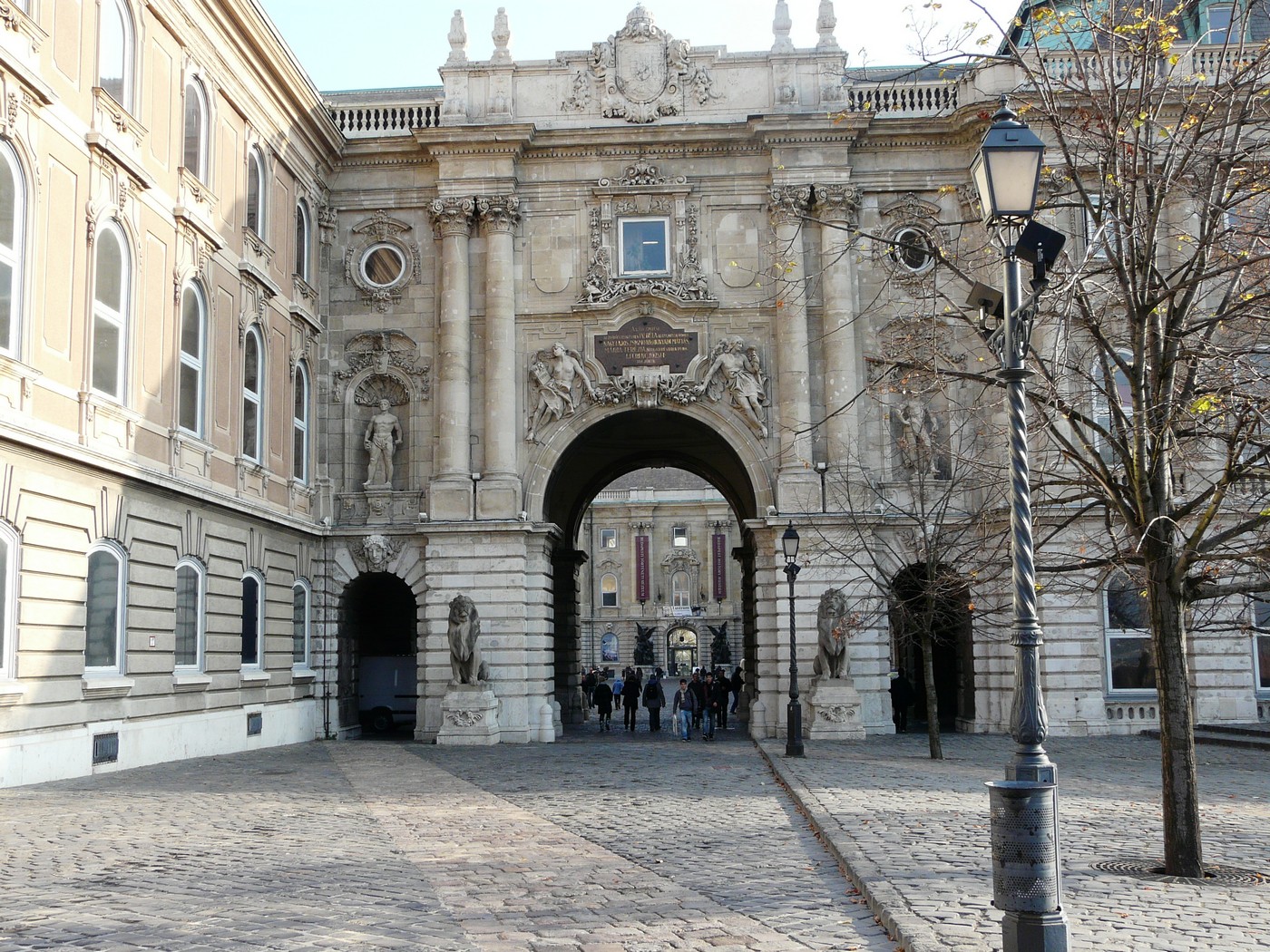
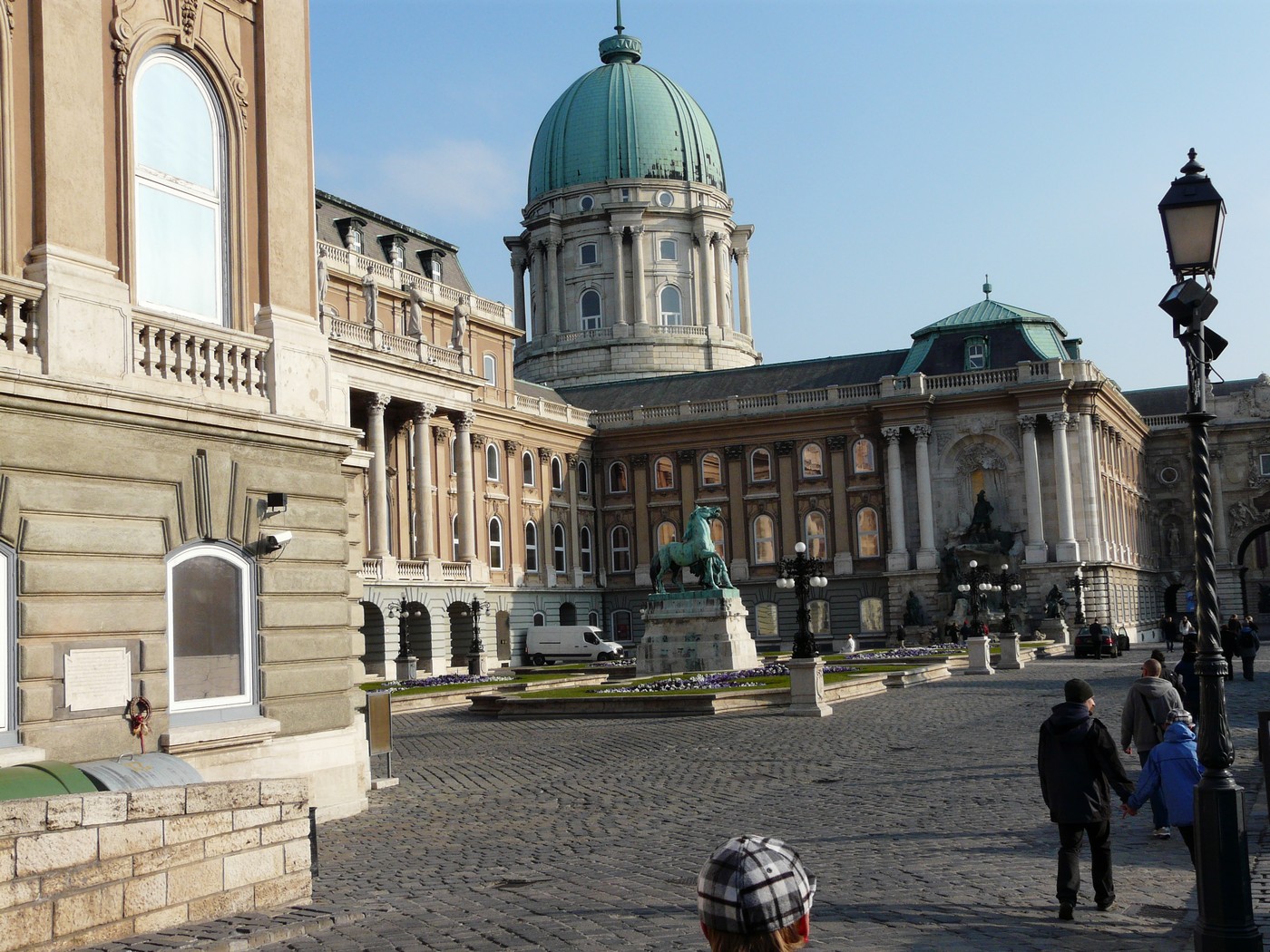
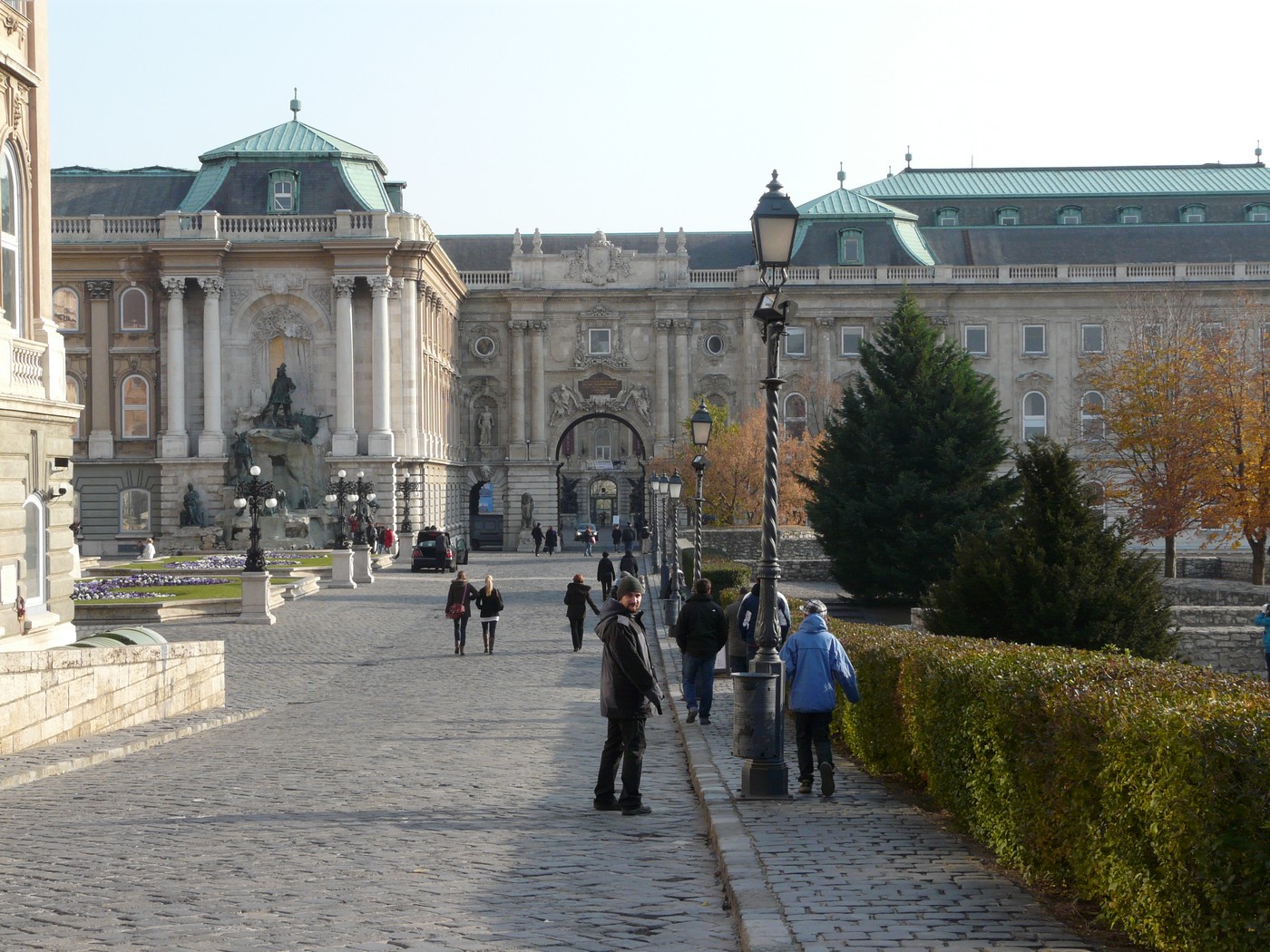
Buda offers many tourist attractions, including the 10th-century Royal Castle, one of the city’s most important landmarks. The castle houses several museums, such as the Budapest History Museum and the Hungarian National Gallery. The Royal Castle stands on a hill that provides a beautiful view of the Danube and the city’s skyline.
Another important landmark in Buda is Gellért Hill, home to the famous Gellért Thermal Bath, one of Budapest’s oldest and most important thermal spas. Nearby, visitors can also find the Church of Our Lady on Gellért Hill, considered one of the most beautiful churches in Hungary.
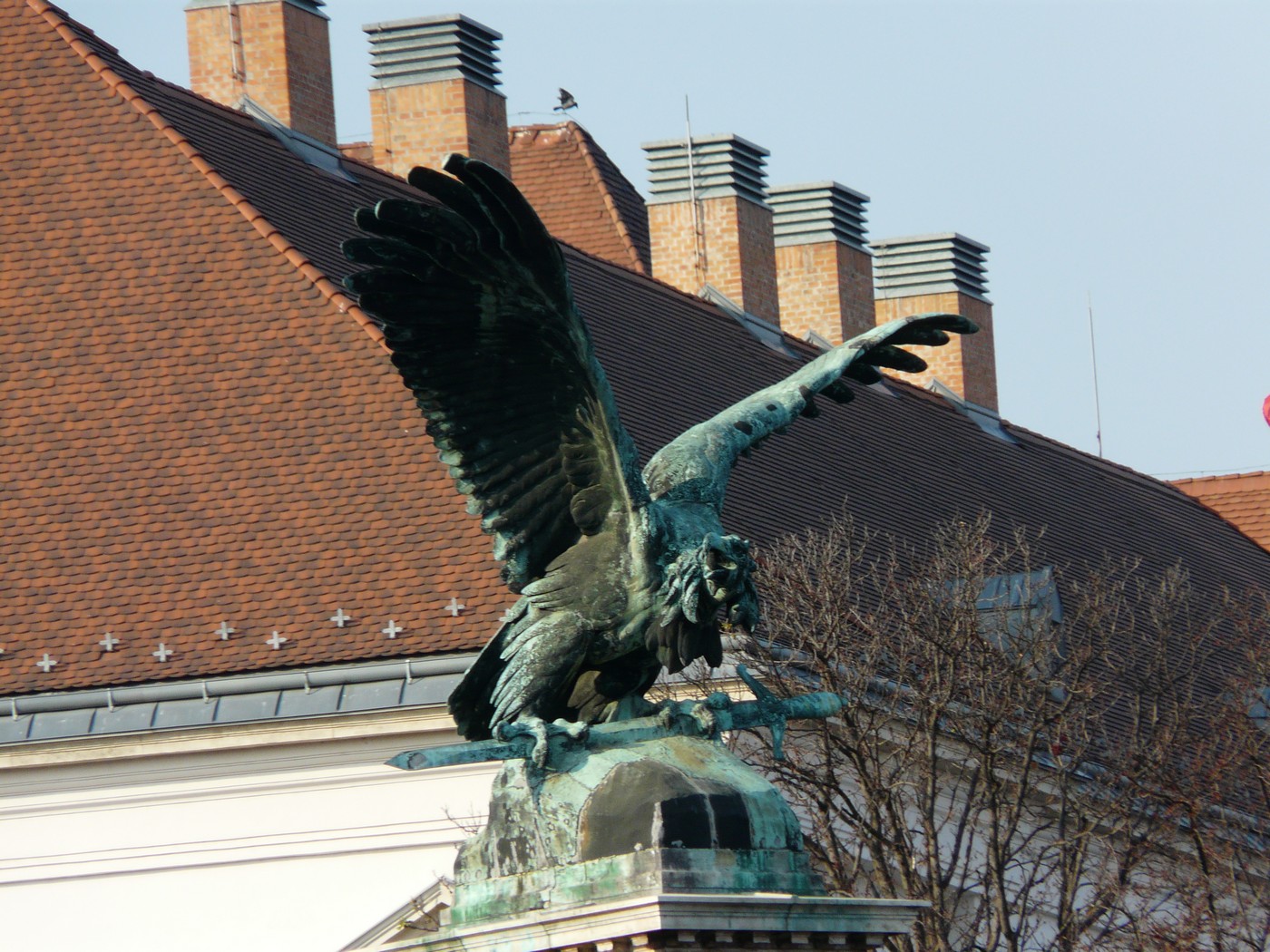
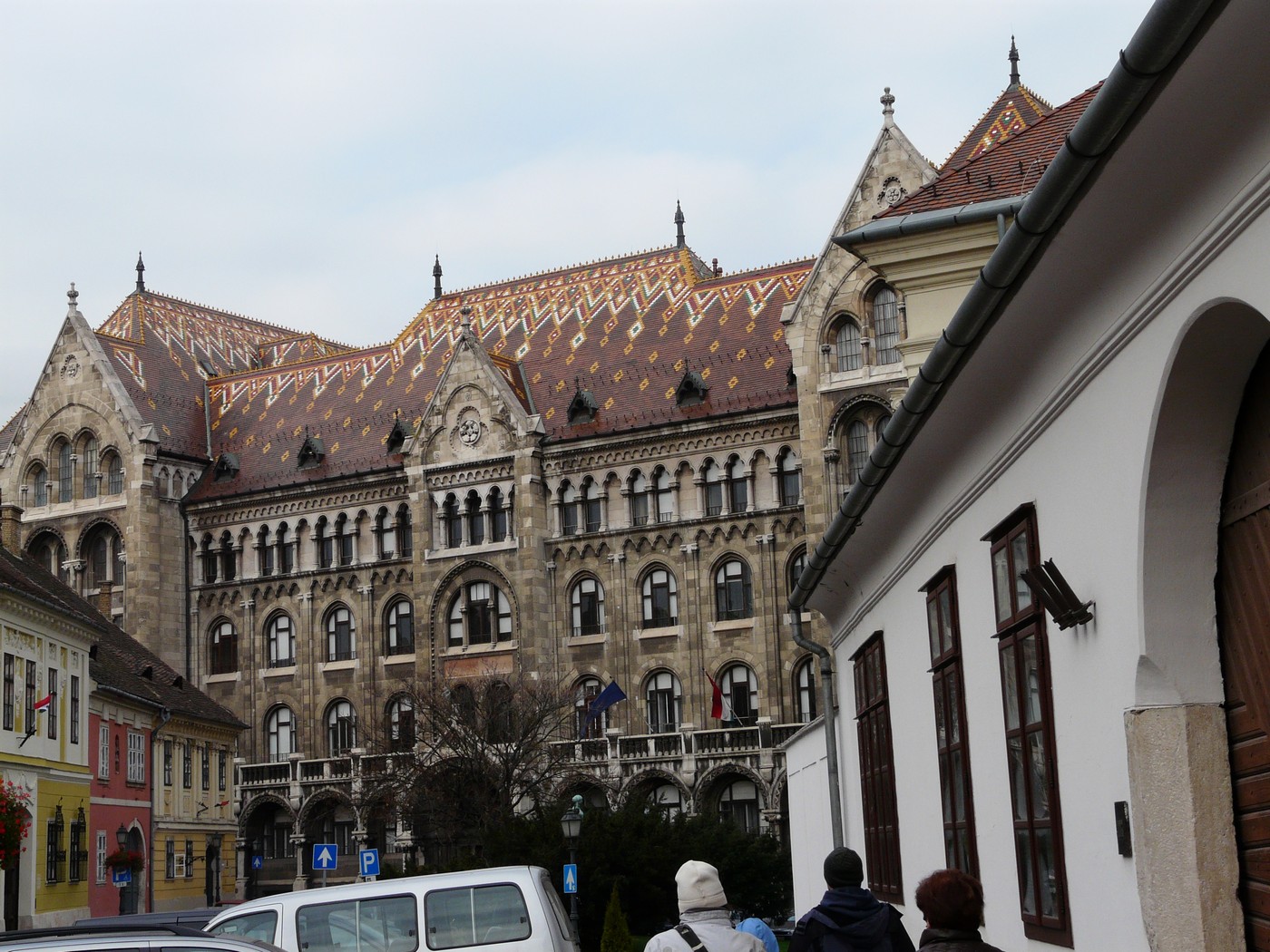
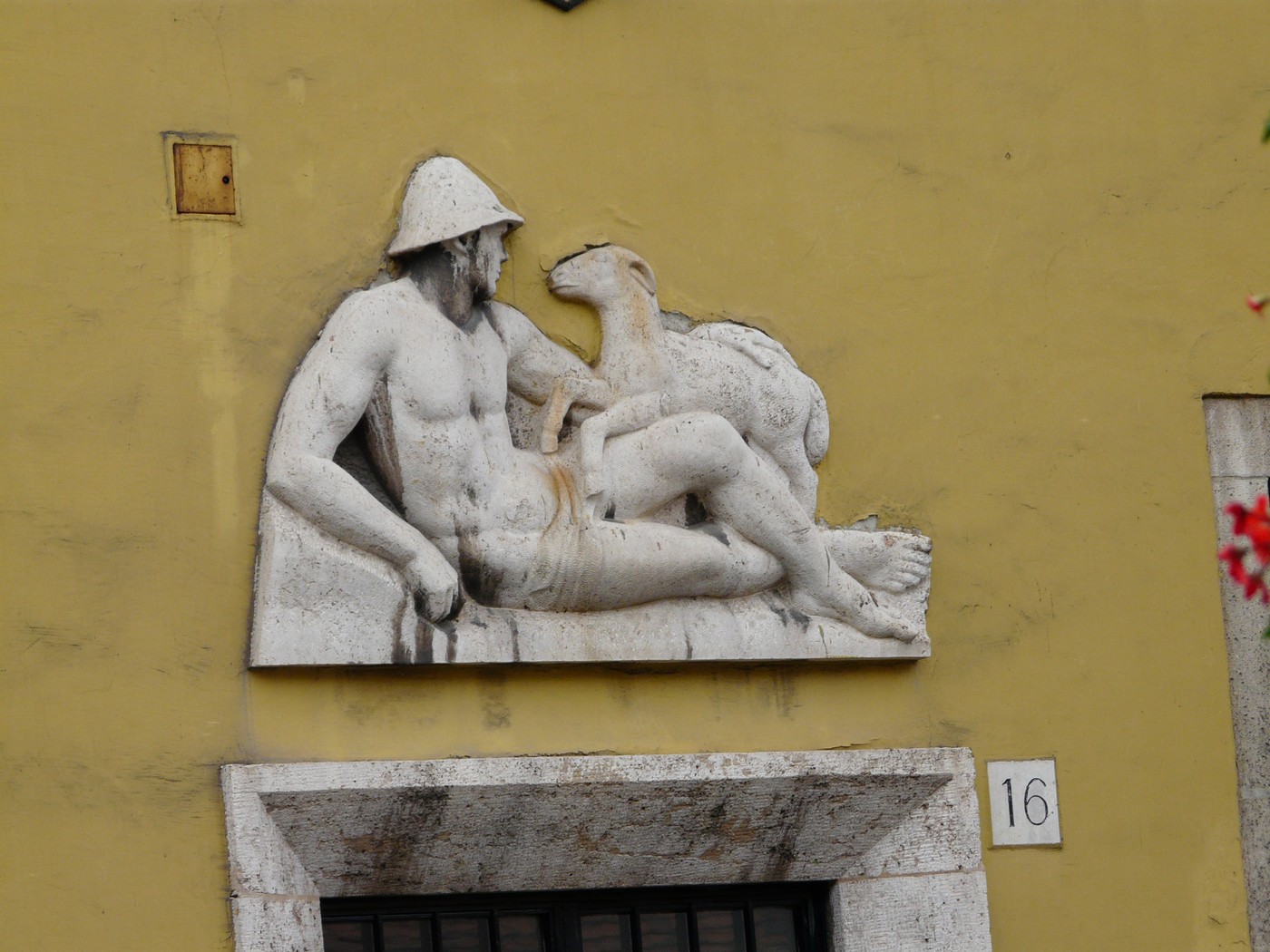
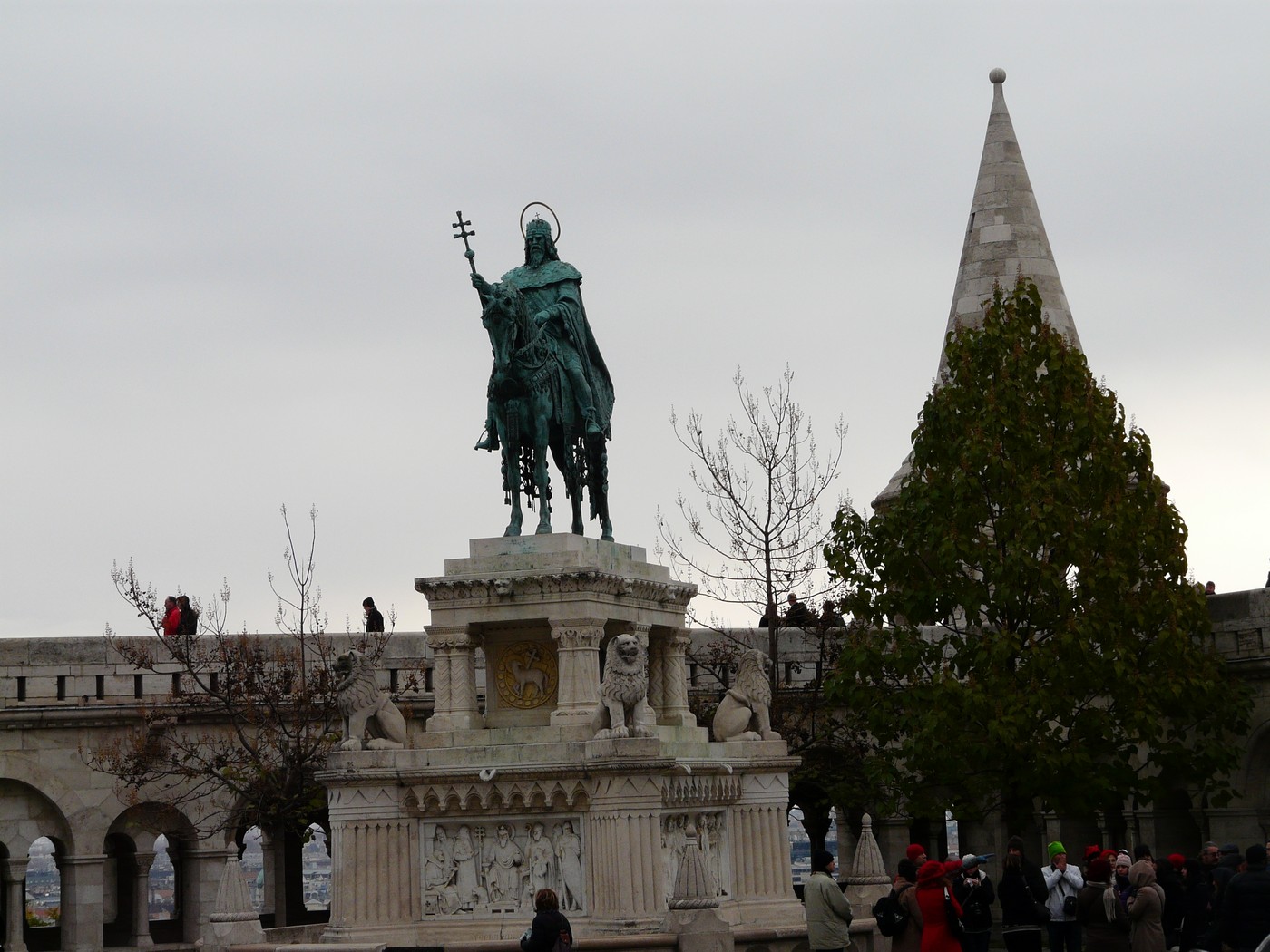
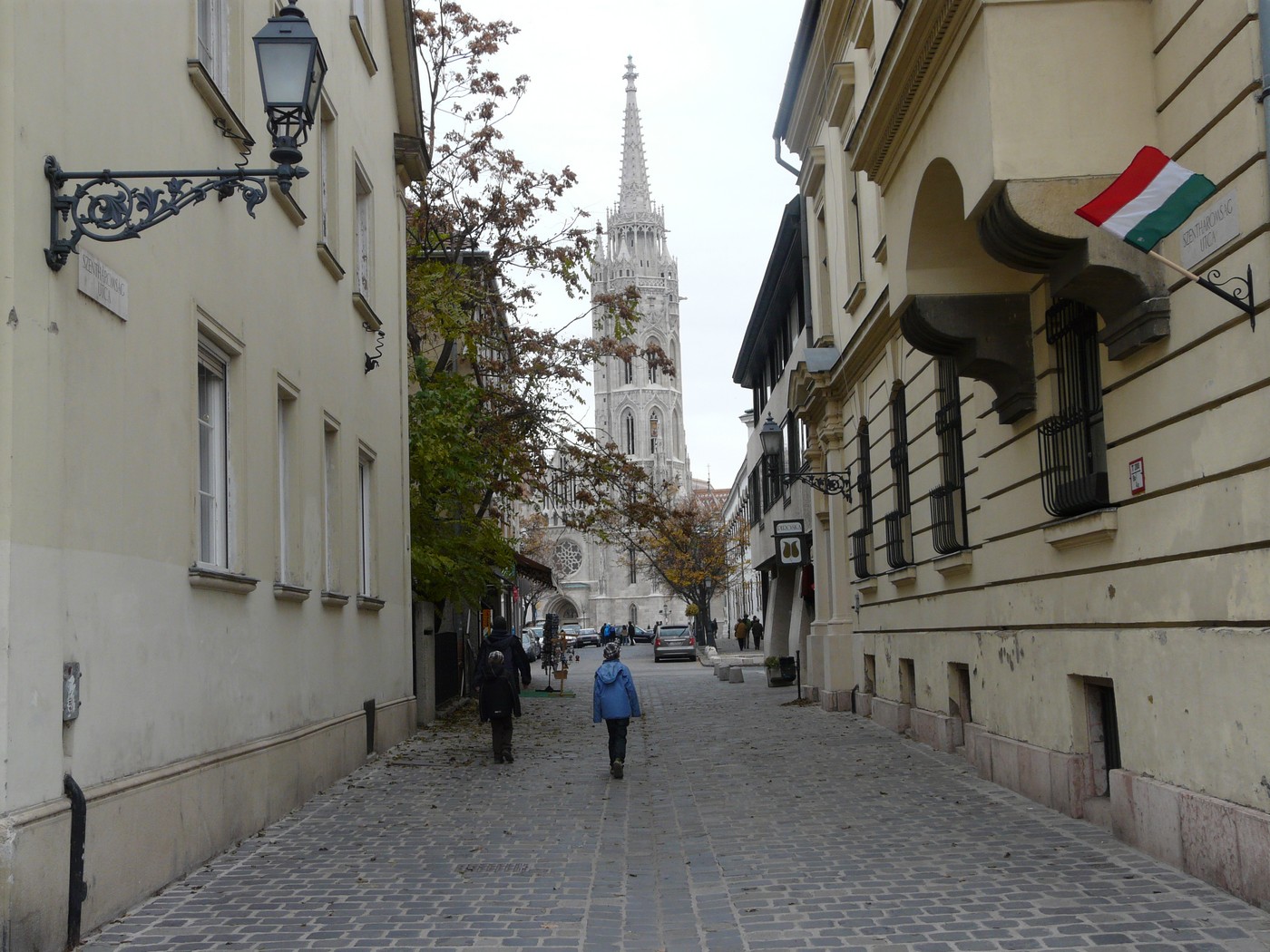
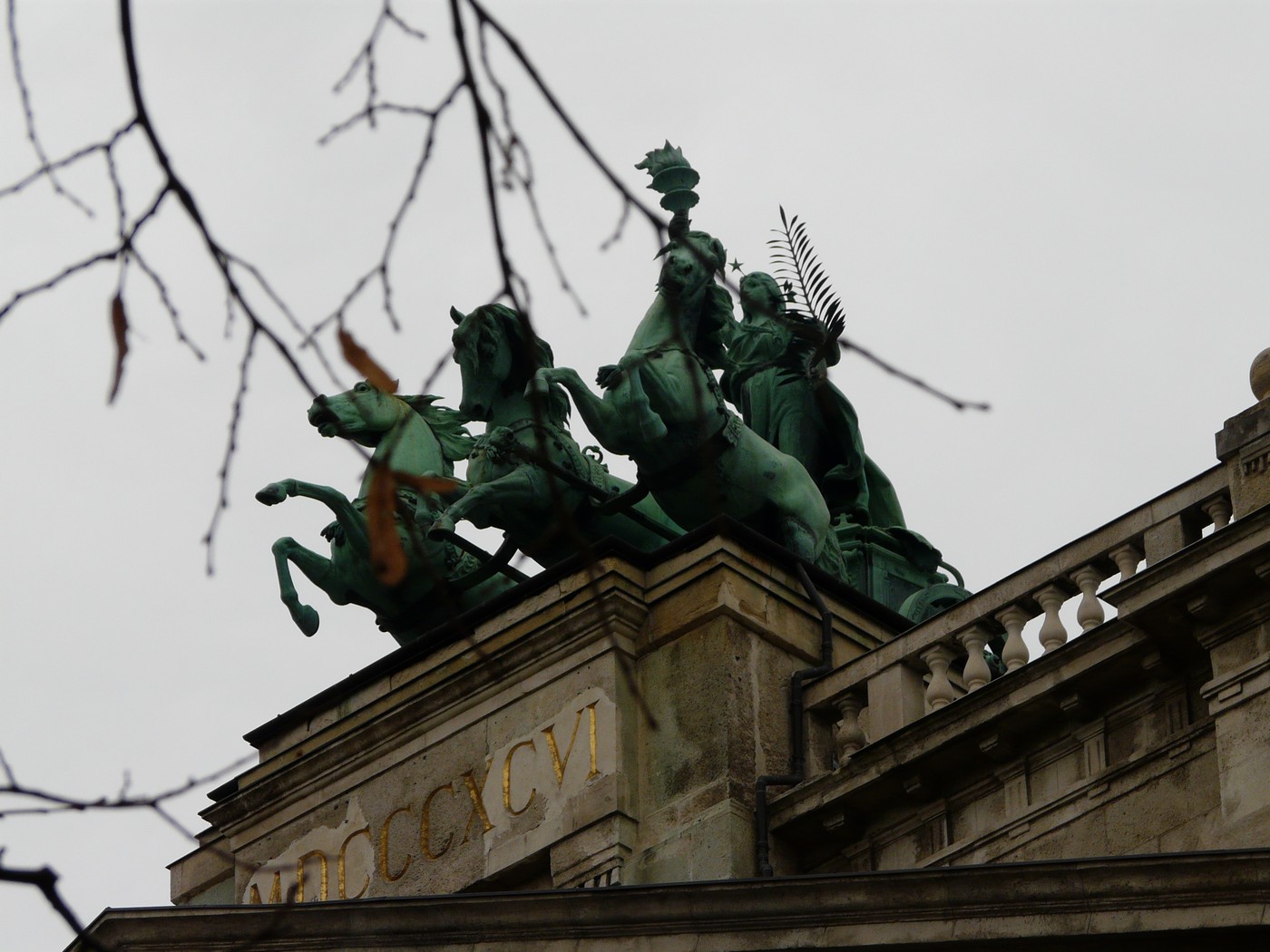
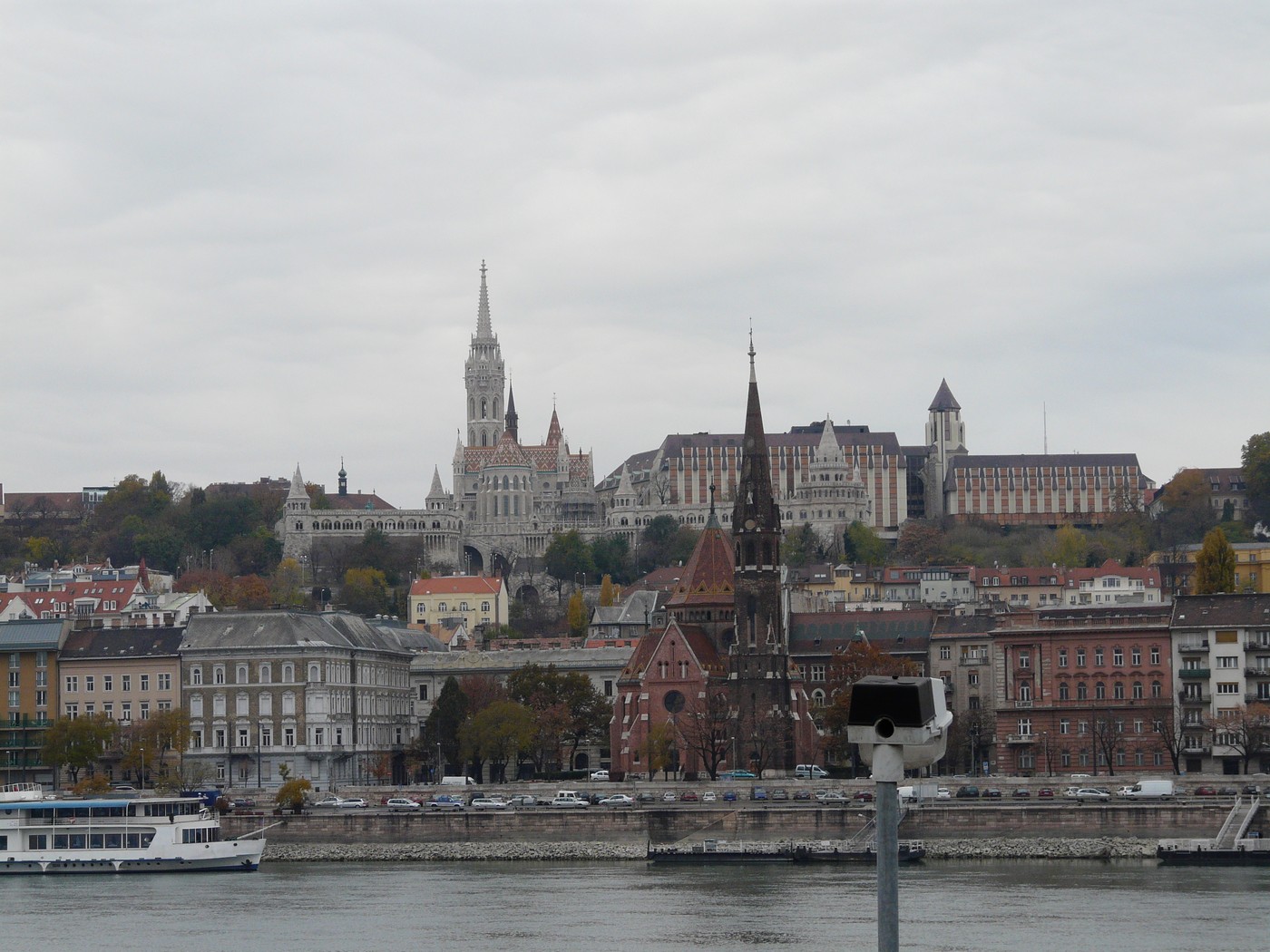
Located on Castle Hill in Buda, on the western bank of the Danube, Matthias Church was the site of Hungarian royal coronations, giving it special significance in the country’s history. It also hosts religious ceremonies and cultural events.
The original church on this site was built in the 11th century, but the present structure was erected in the Gothic and Renaissance styles in the 15th century. Throughout the centuries, it has witnessed many important historical events.
Matthias Church is an impressive building with rich architectural detail. Its roof is particularly striking, covered with colorful ceramic tiles. The interior is equally remarkable, adorned with elaborate decorations and artwork.
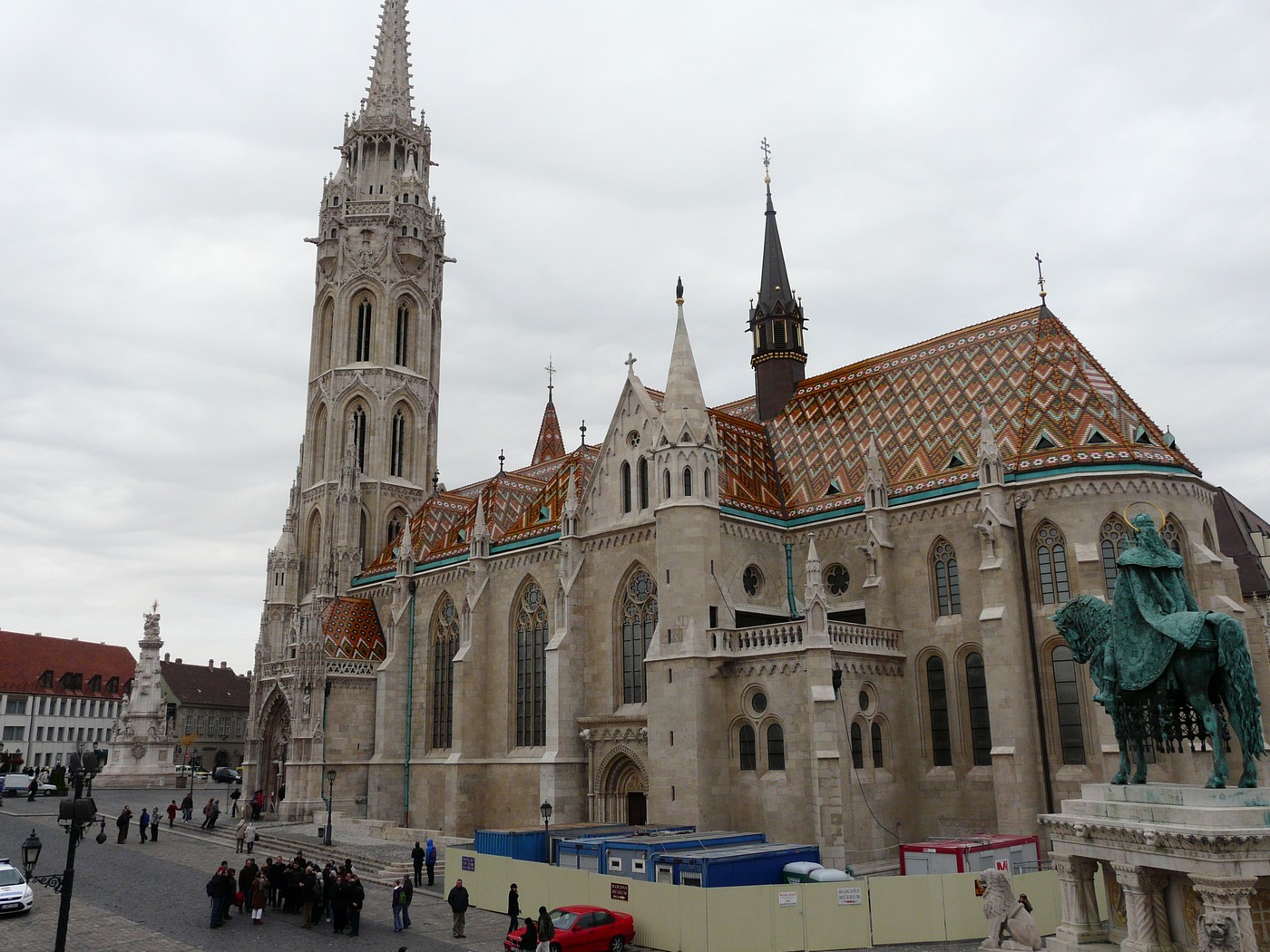
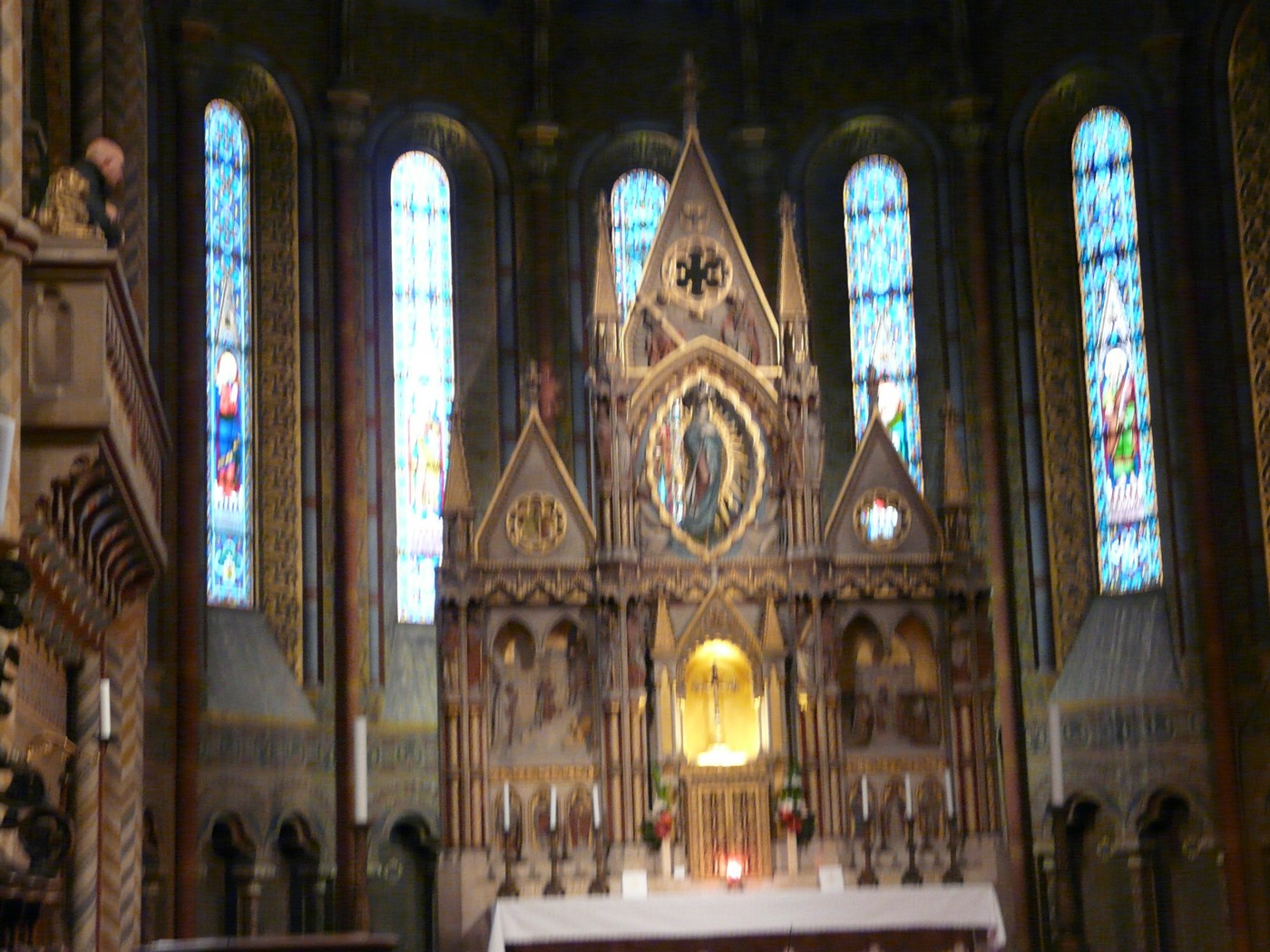
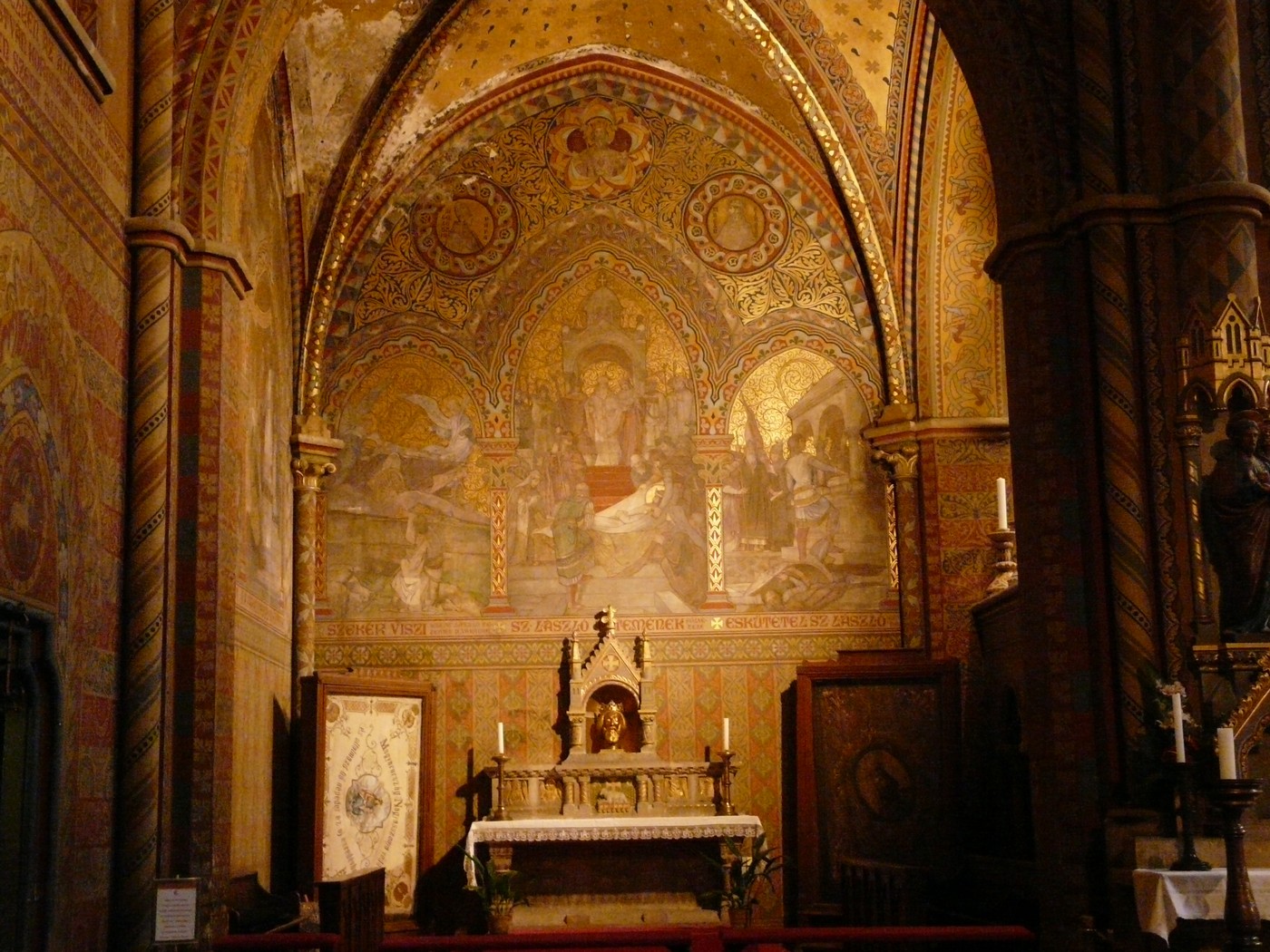
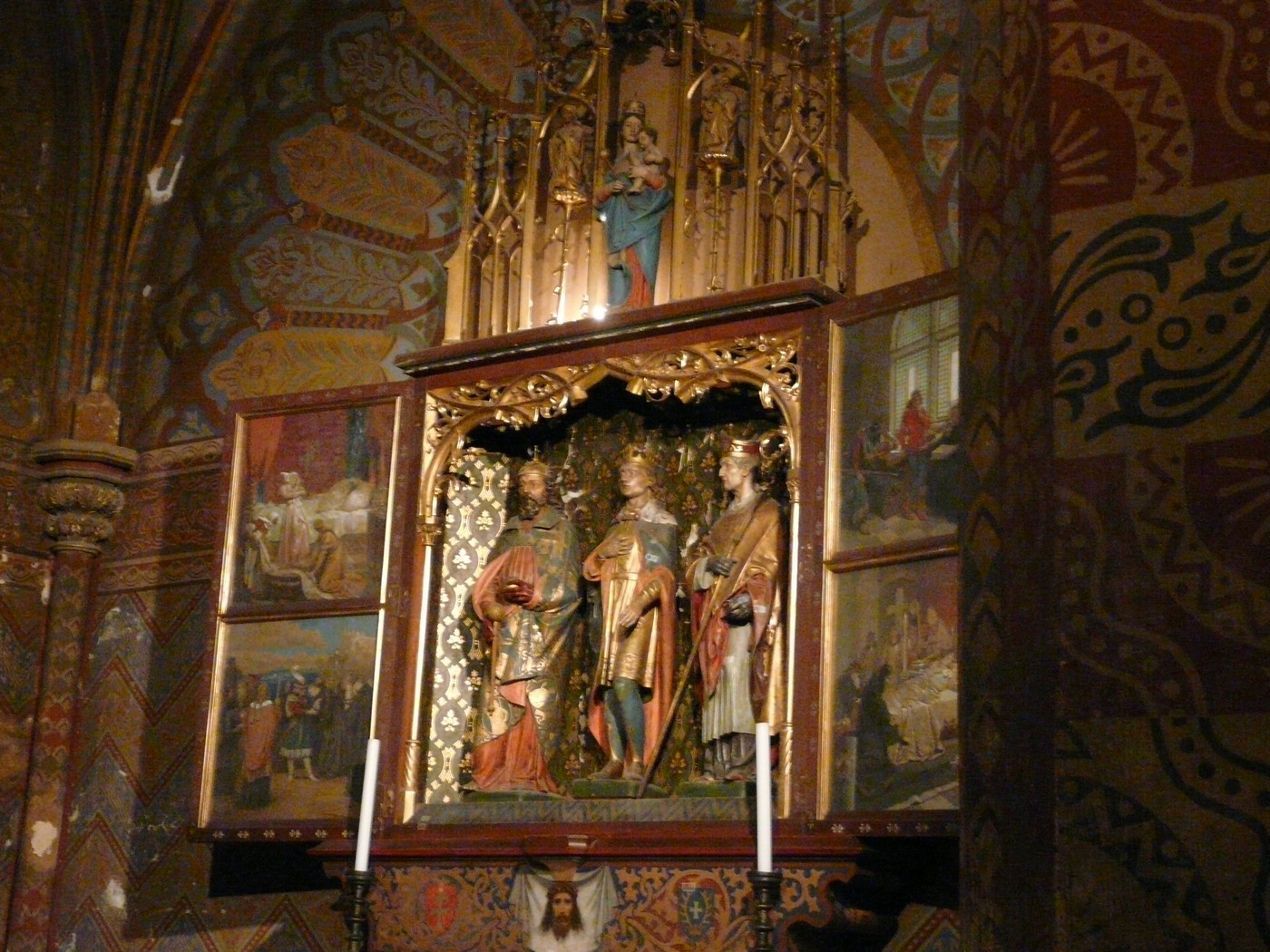
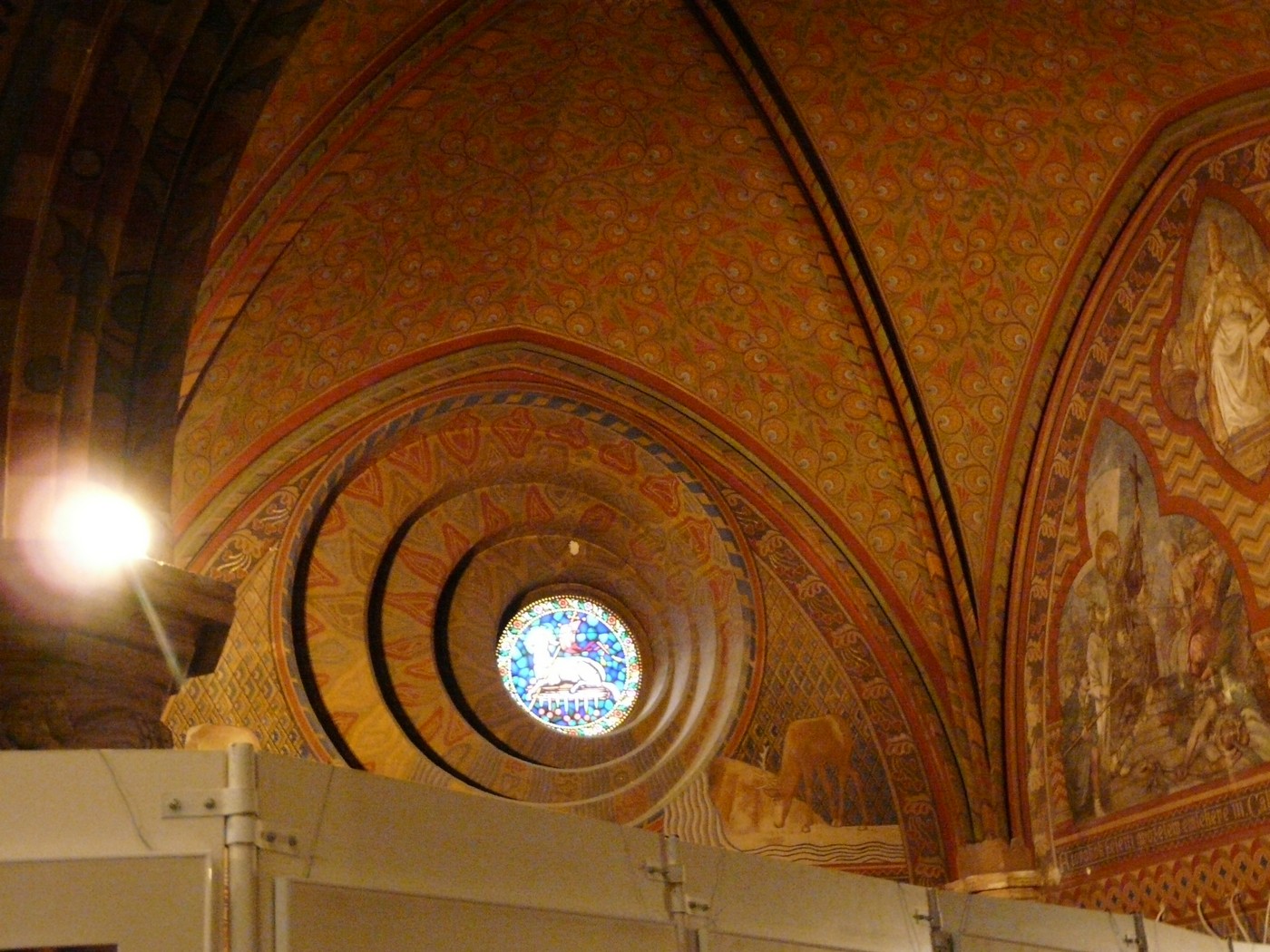
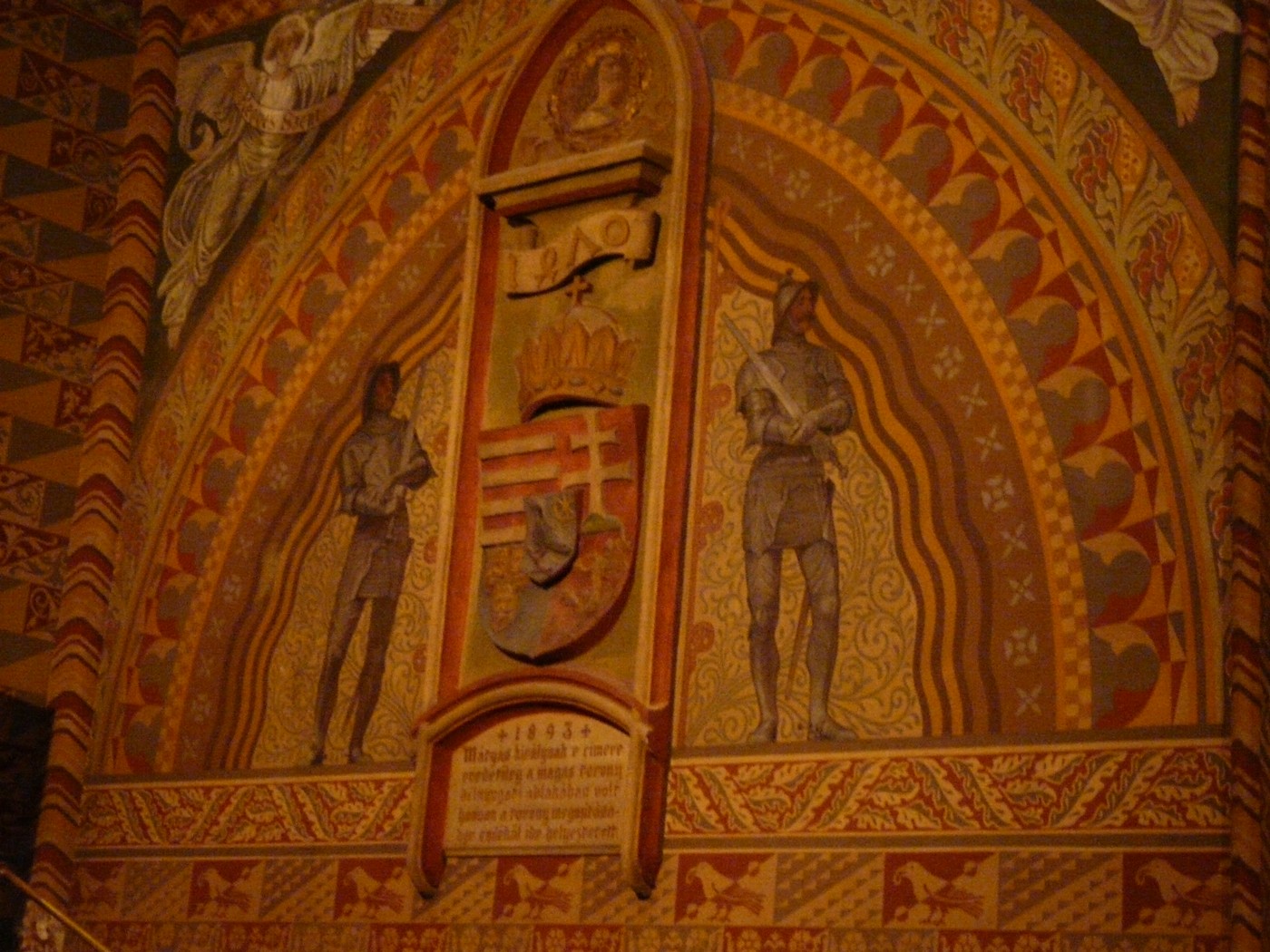
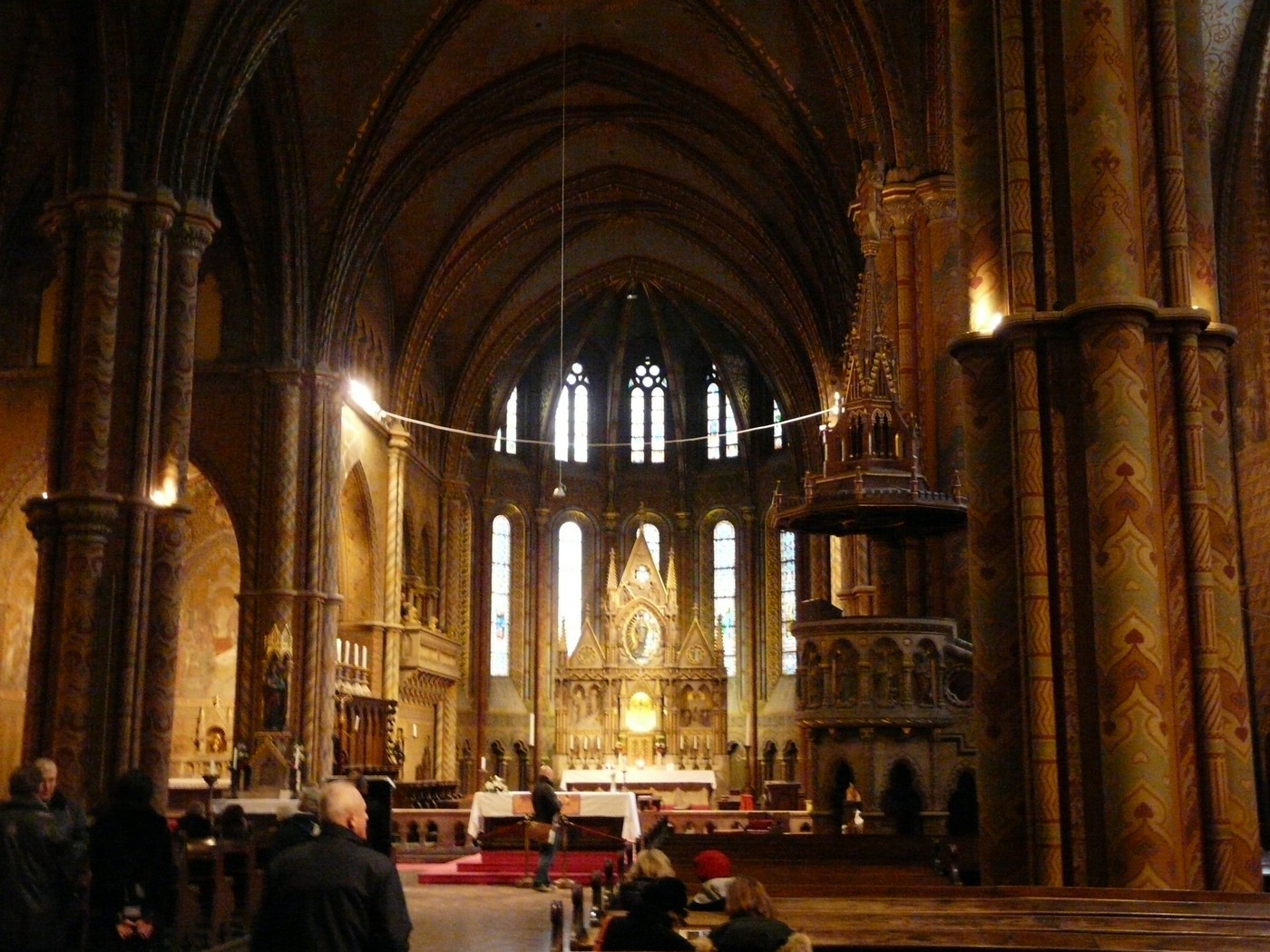
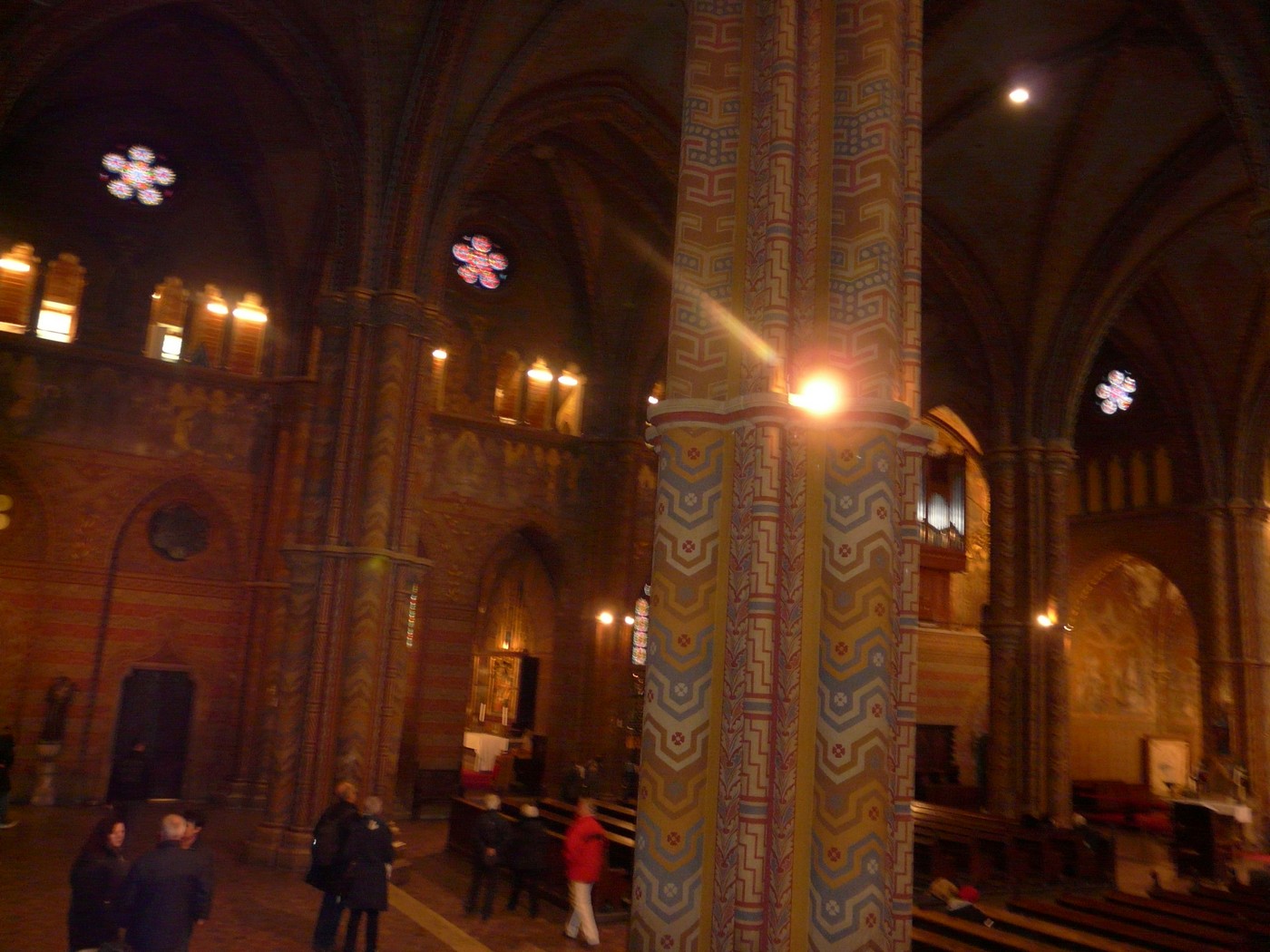
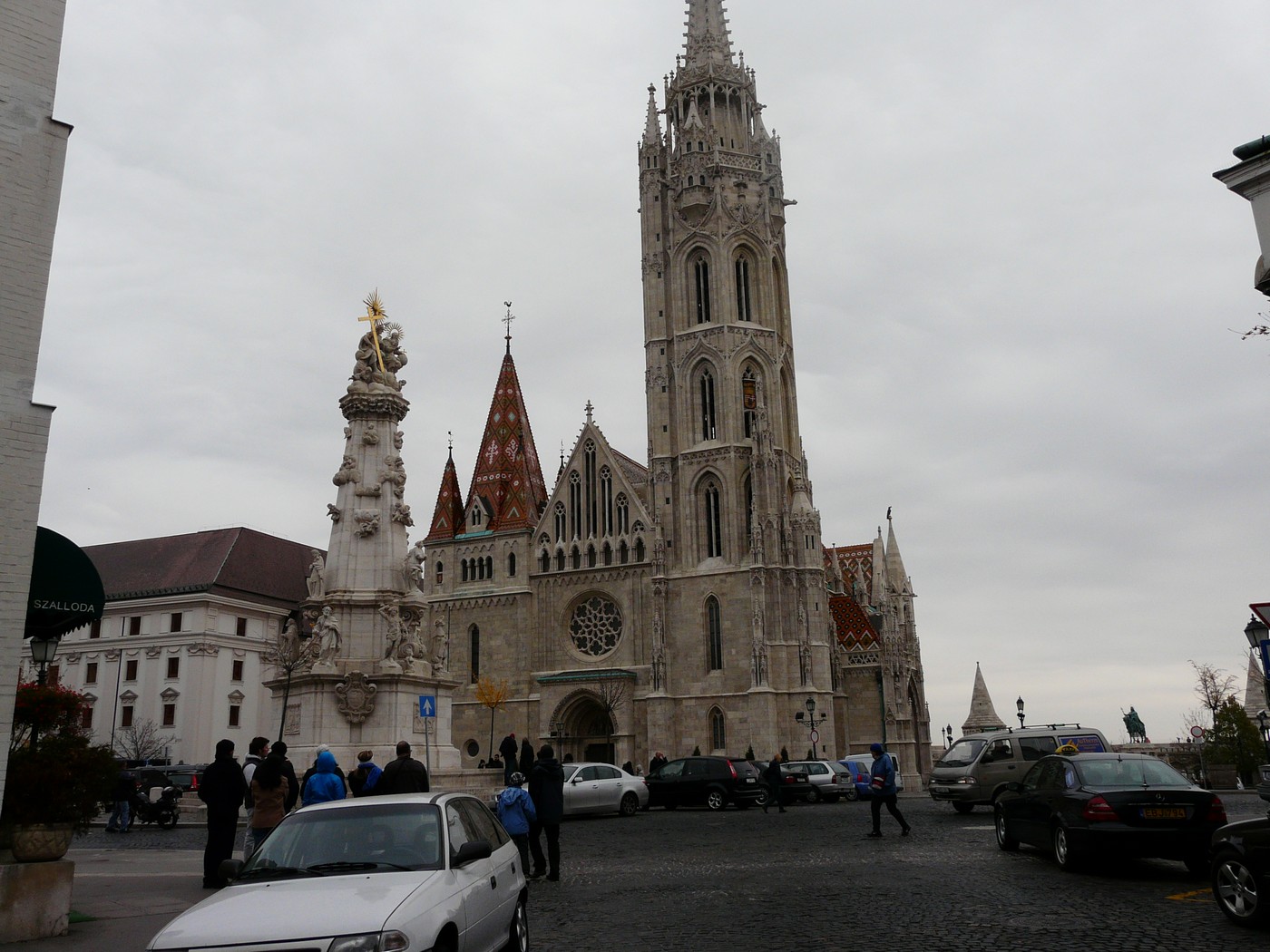
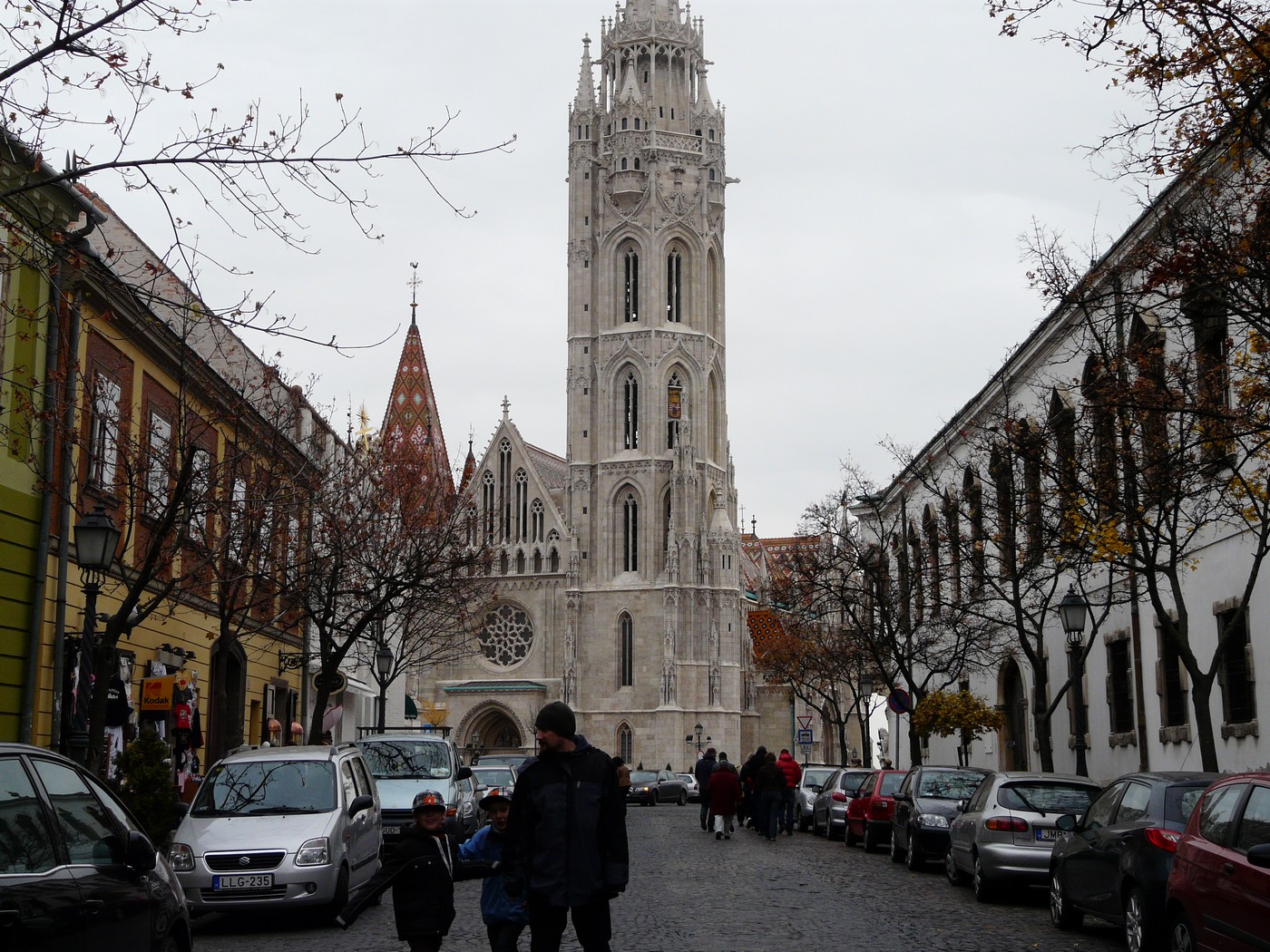
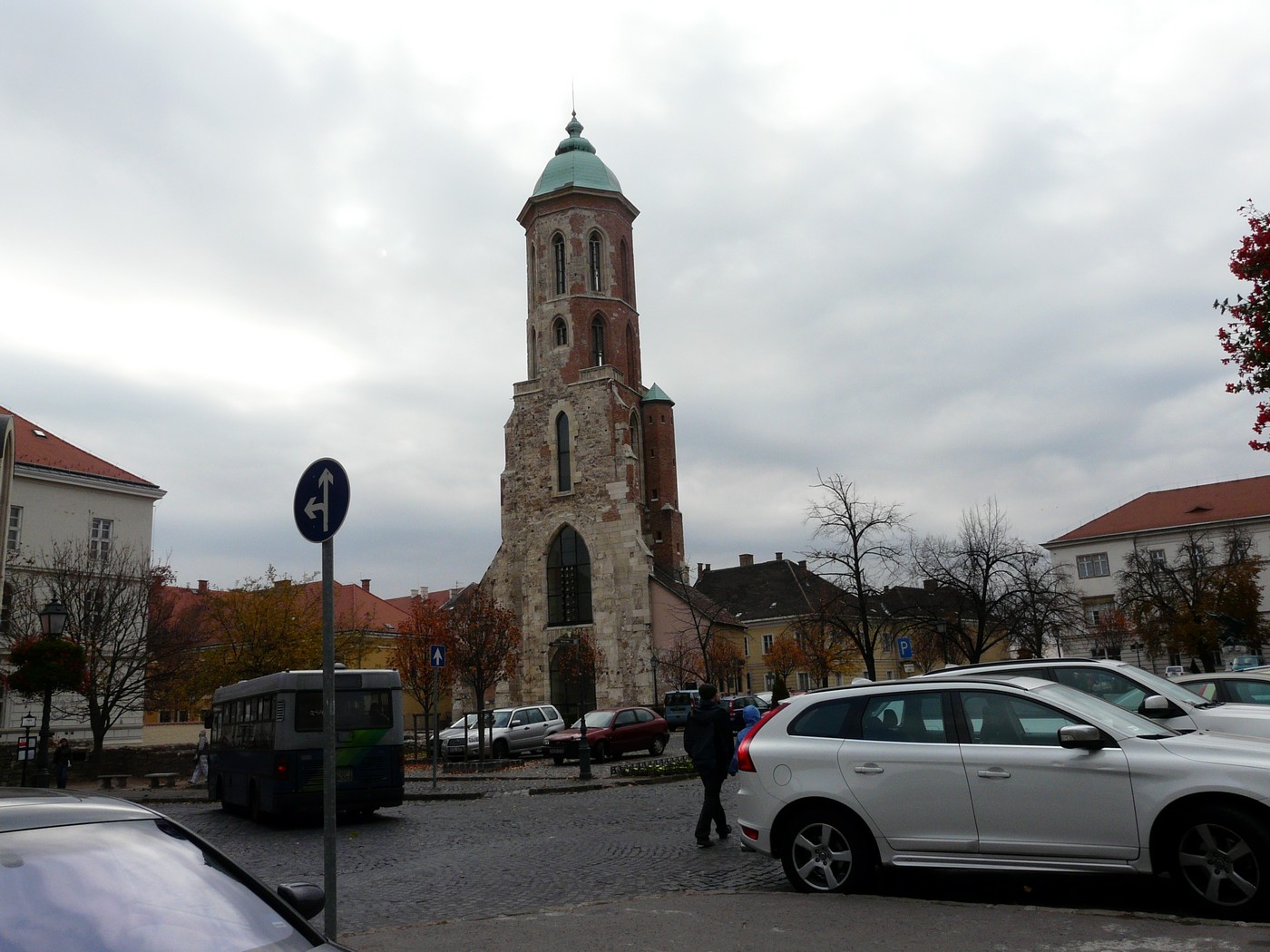
The oldest building on Kapisztrán Square, it is the only medieval monument preserved in its original form.
During the Ottoman occupation, it was the only Christian church in operation, serving both Catholics and Protestants. Later, it was taken from the Catholics and converted into a Muslim place of worship.
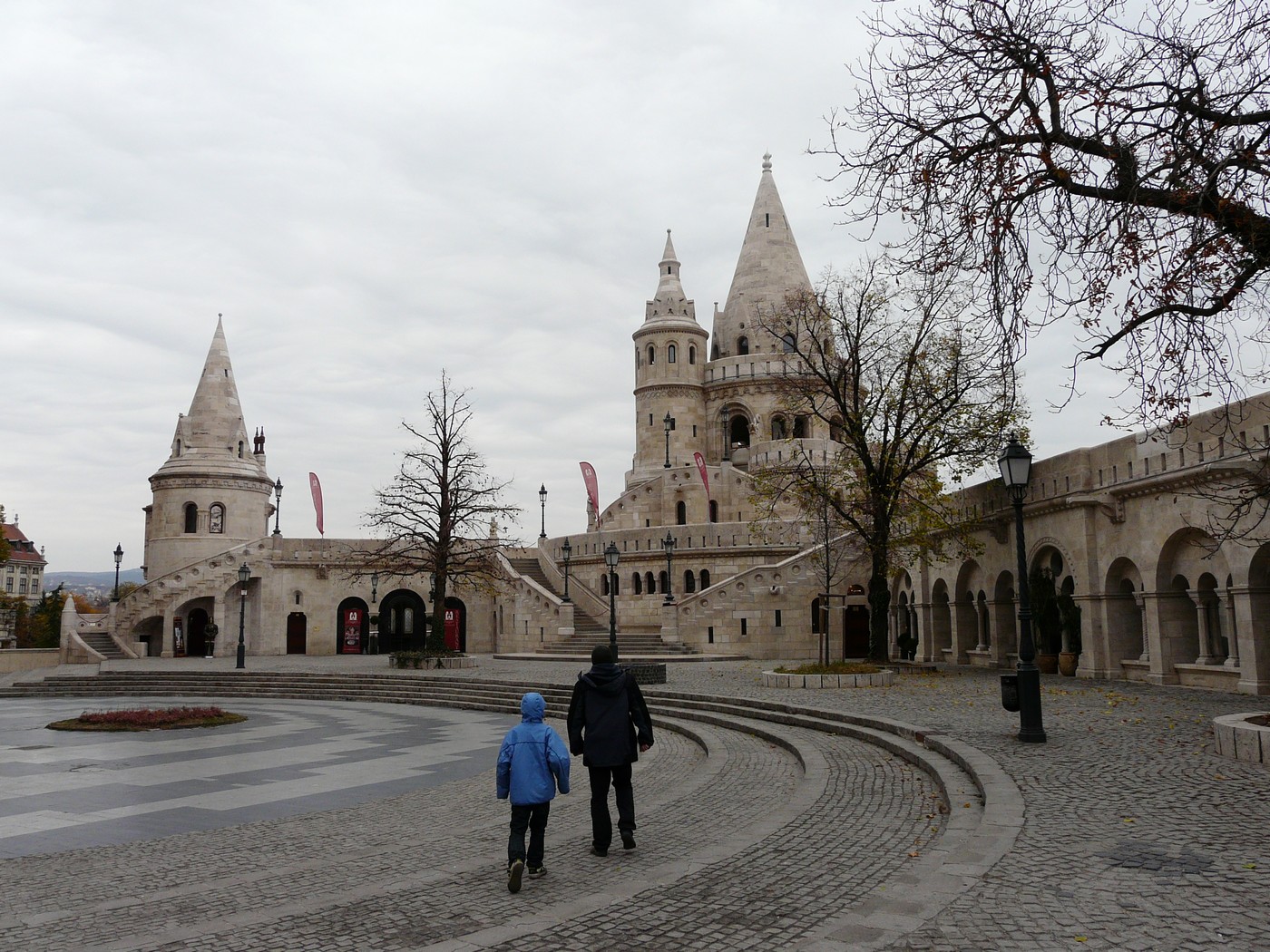
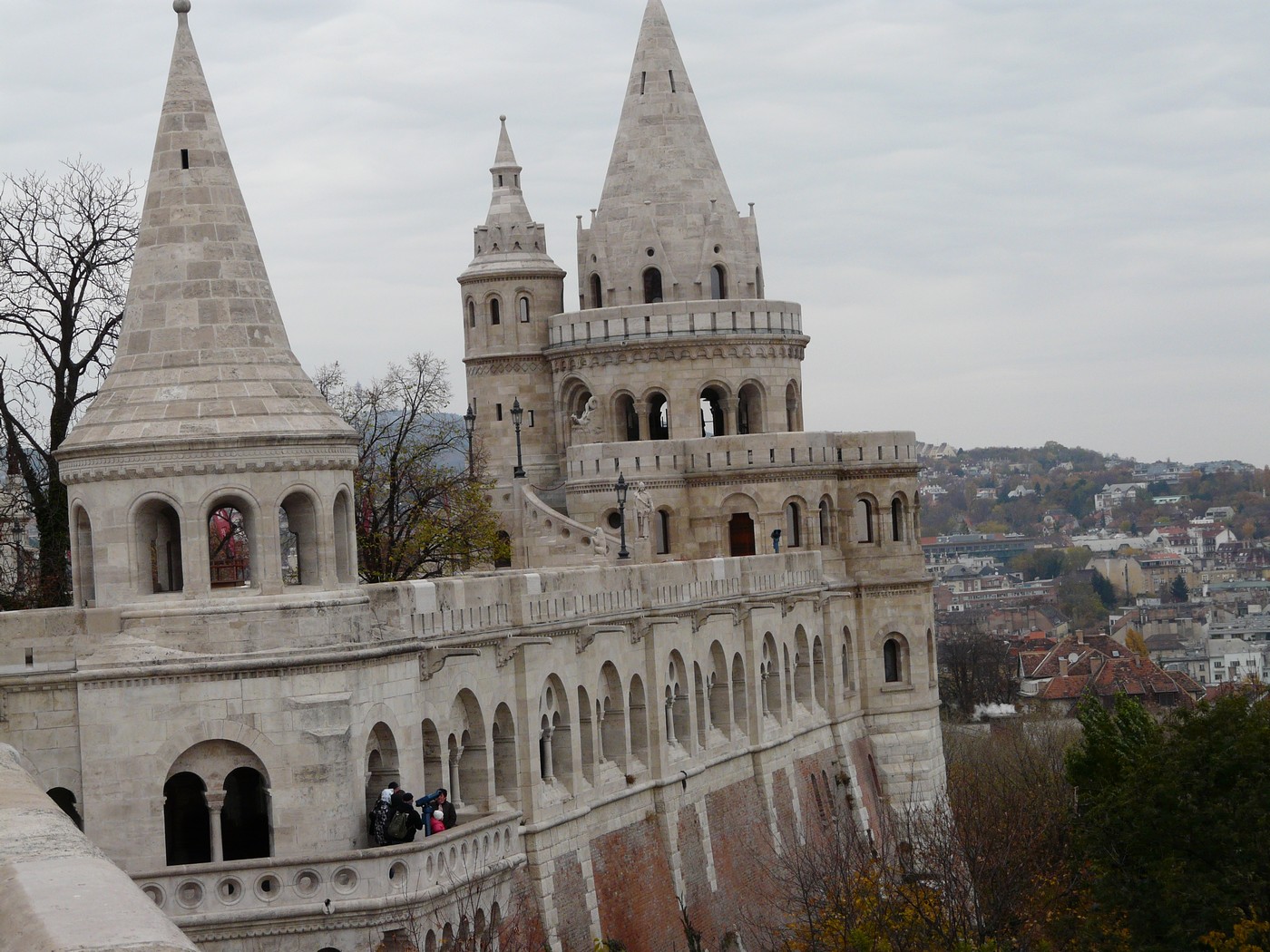
The Fisherman’s Bastion was built between 1895 and 1902 in Neo-Romanesque and Neo-Gothic style as part of the castle complex commemorating the millennium of the Hungarians’ arrival in the Carpathian Basin.
The Fisherman’s Bastion is known for its distinctive appearance with white towers and arched cloisters. It rises on seven terraces, each representing one of the seven Hungarian tribes that settled in the Carpathian Basin.
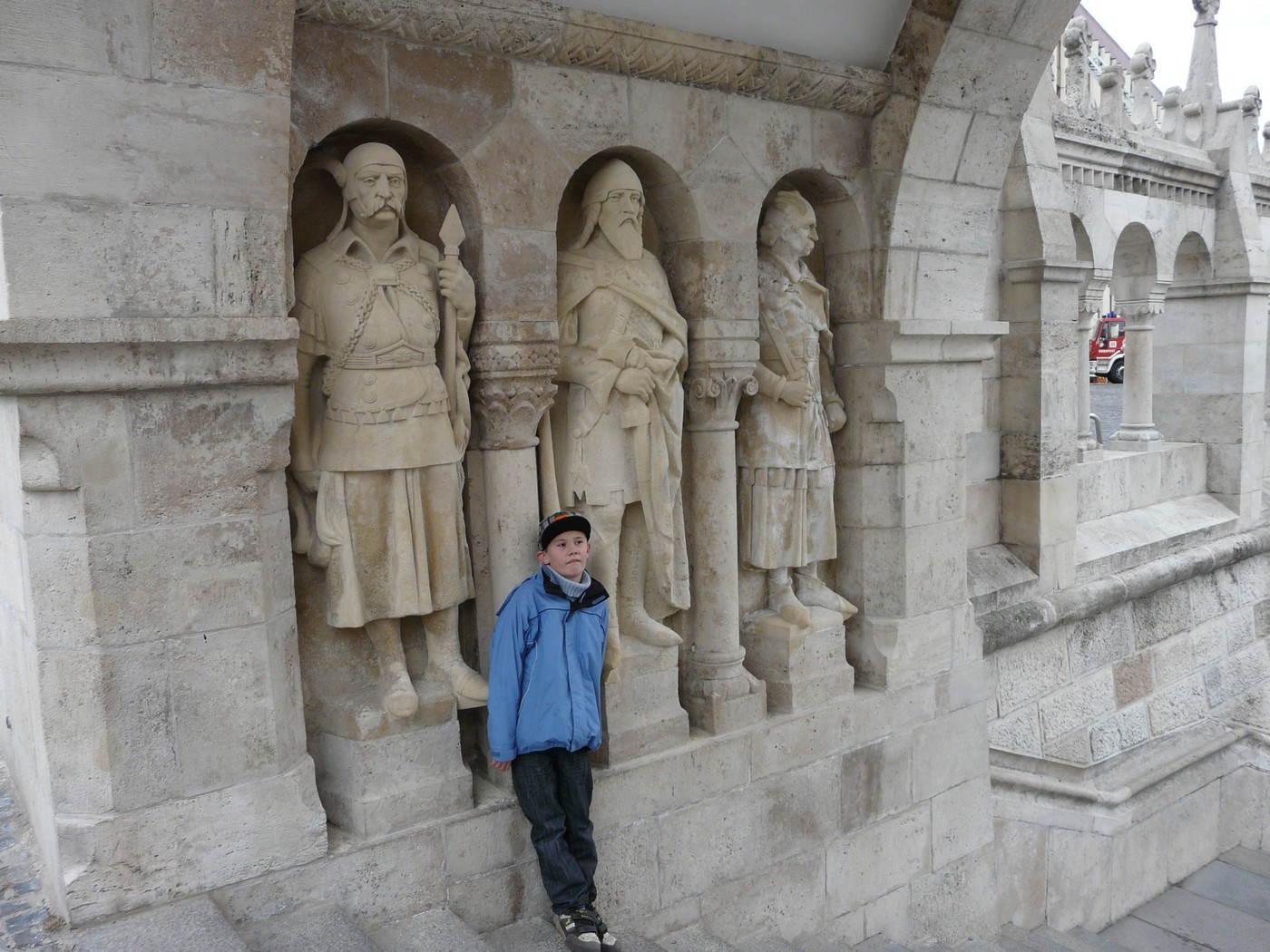
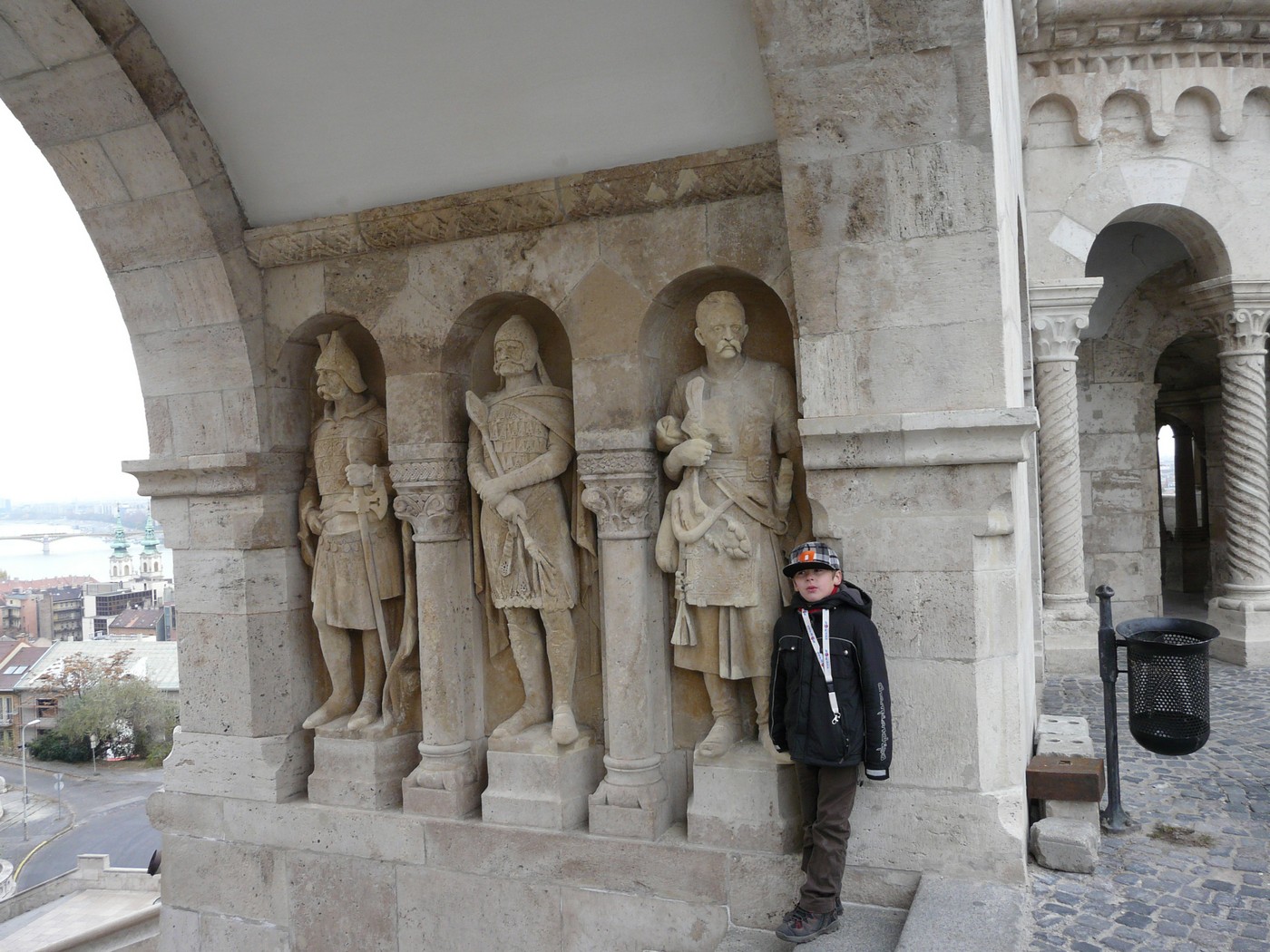
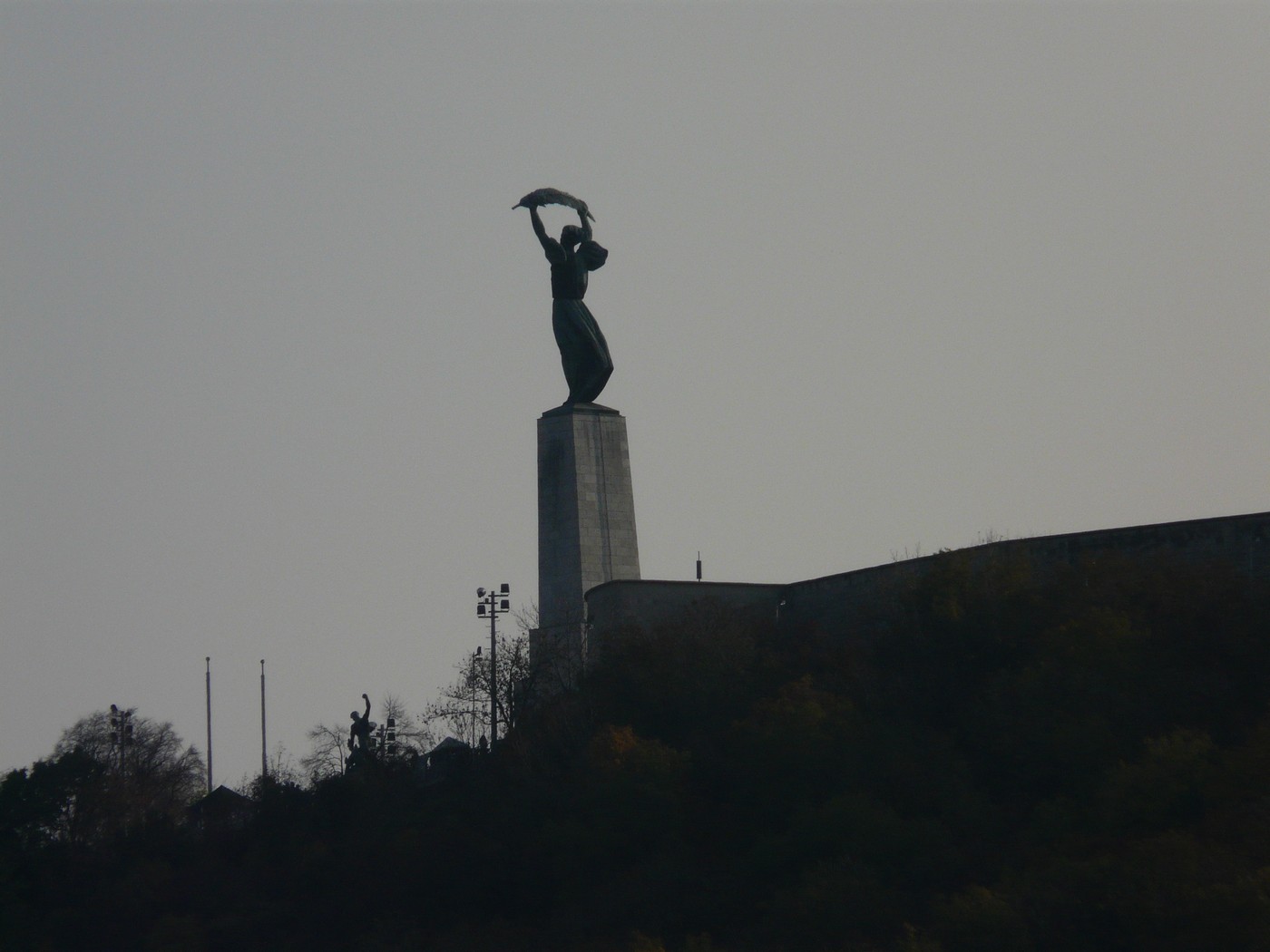
The Citadella is located on Gellért Hill, southeast of Budapest’s city center, on the eastern bank of the Danube.
The fortress was built between 1850 and 1854 by the Habsburgs after the suppression of the Hungarian Revolution of 1848. Its purpose was to reinforce Austrian control over the Hungarian capital following the failed uprising.
The Citadella is designed as a large fort with bastions and defensive walls. Situated on the summit of Gellért Hill, it offers an excellent vantage point for observing the city’s panorama.

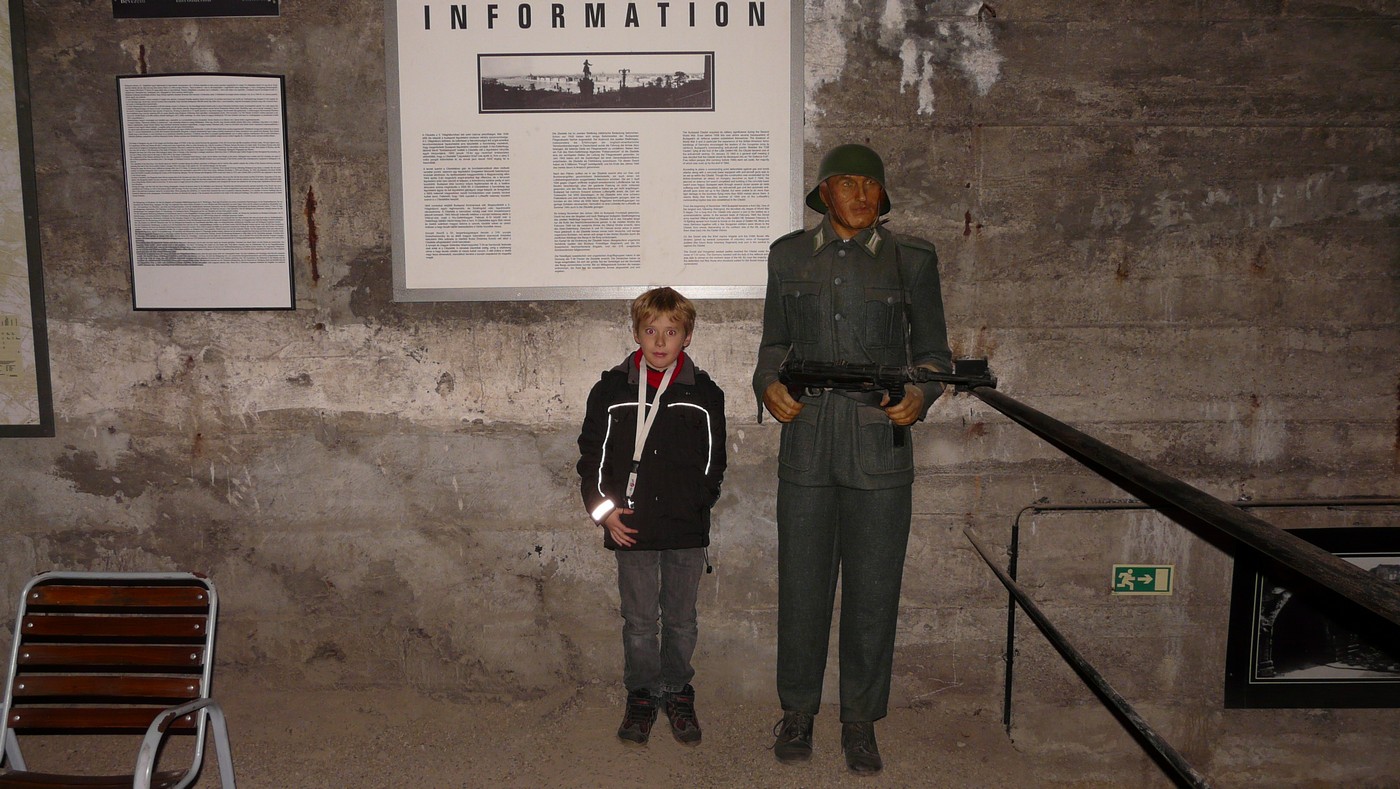
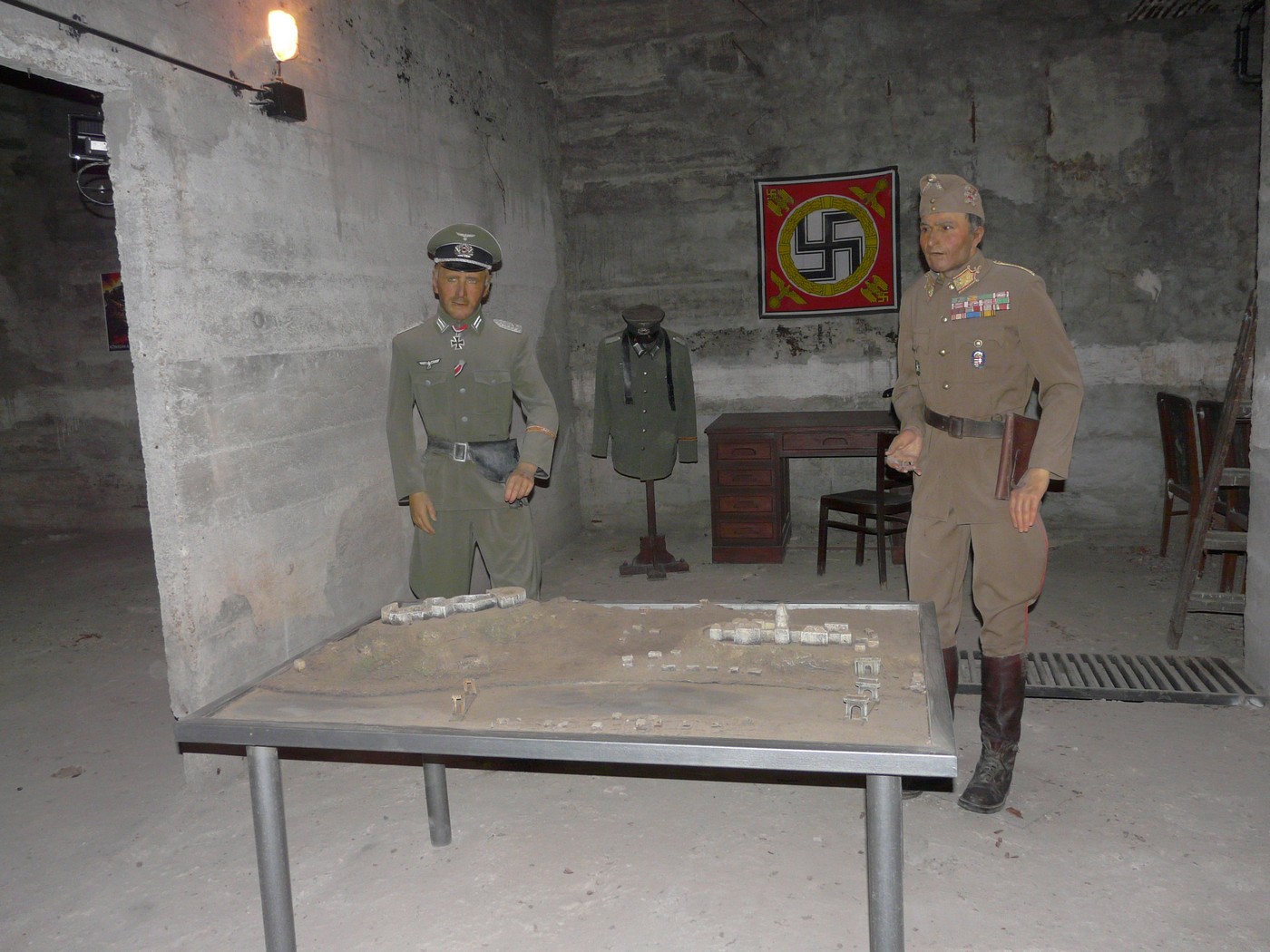

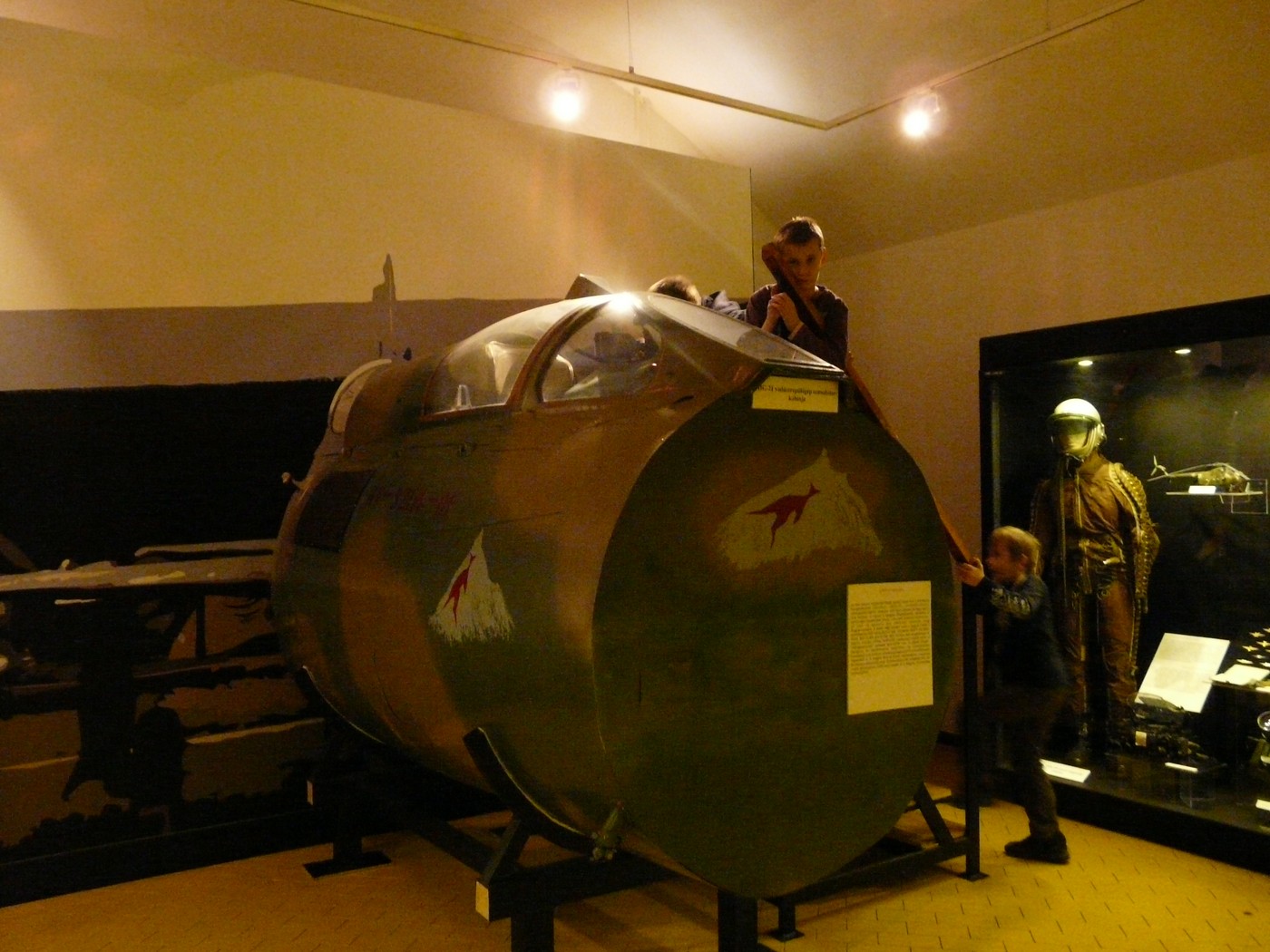

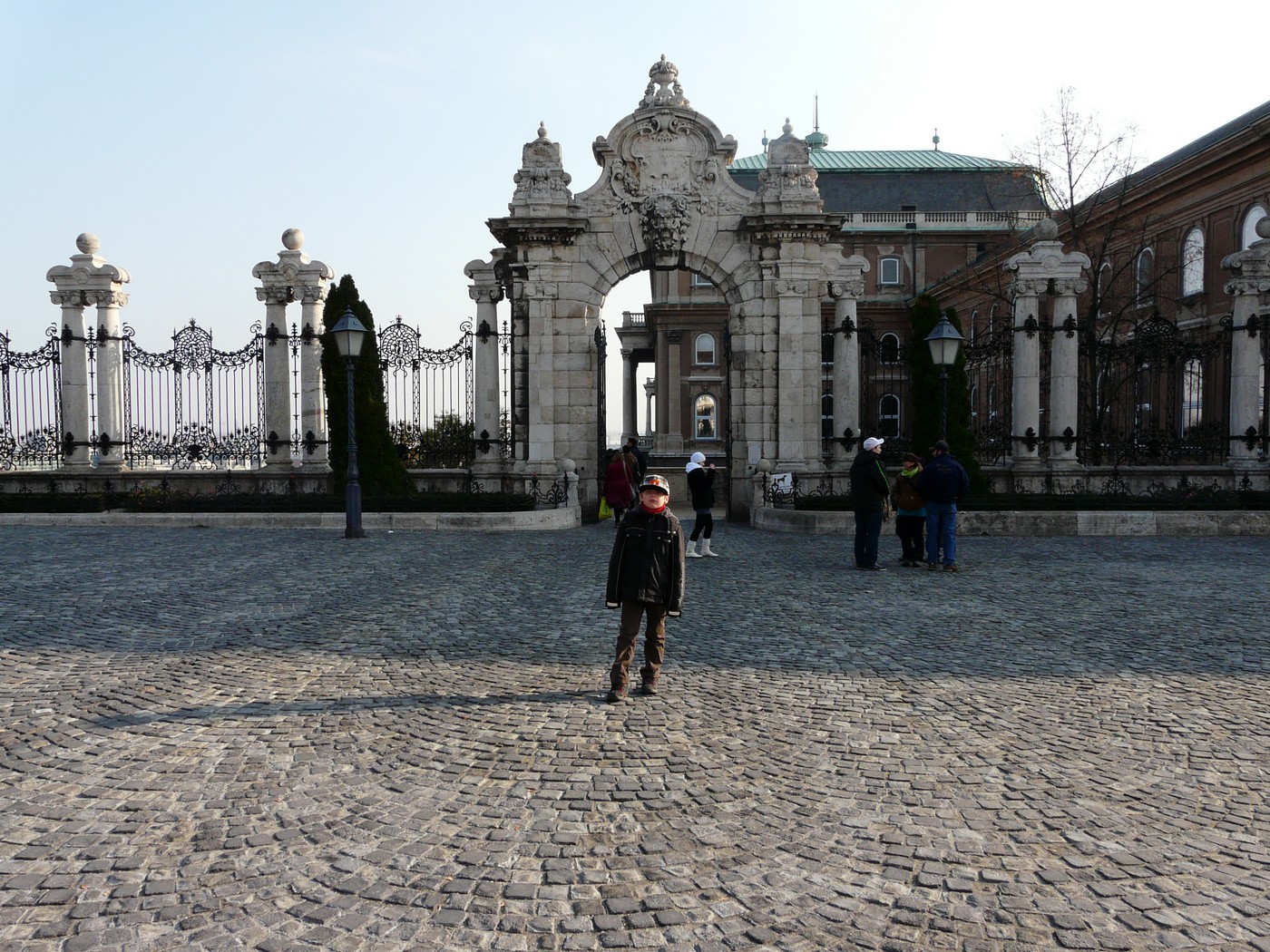
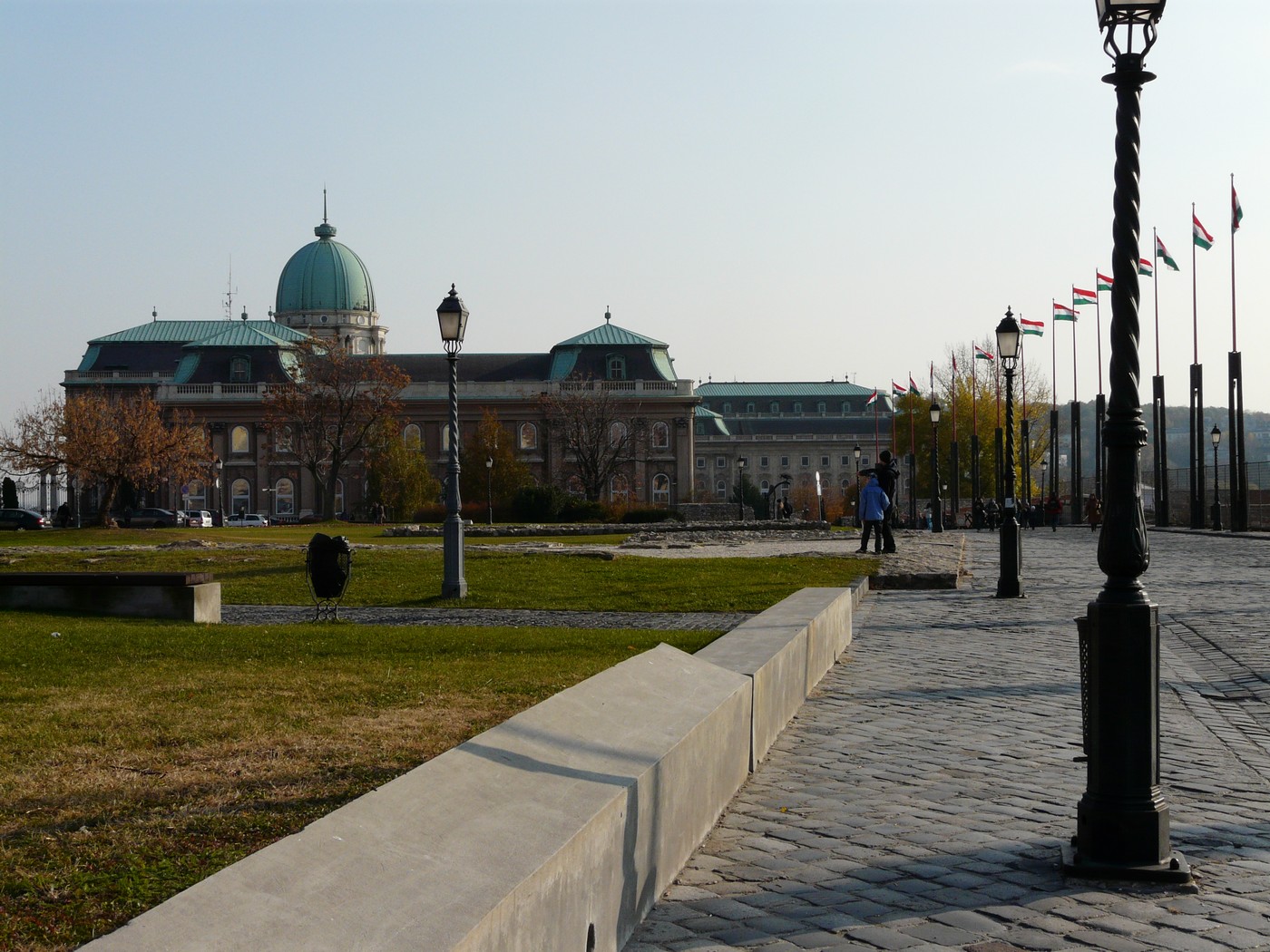
Located on Castle Hill in Buda, on the western side of the Danube, Buda Castle dominates the city’s skyline and is visible from many parts of Budapest. Built in the 13th century, it has witnessed numerous important events in Hungarian history. Over time, it was expanded, rebuilt, and damaged during various conflicts.
Buda Castle displays a mixture of architectural styles, including Gothic, Renaissance, Baroque, and Neoclassical, as a result of its many reconstructions. Among its notable features are the Matthias Chapel and the Queen Elizabeth Tower.
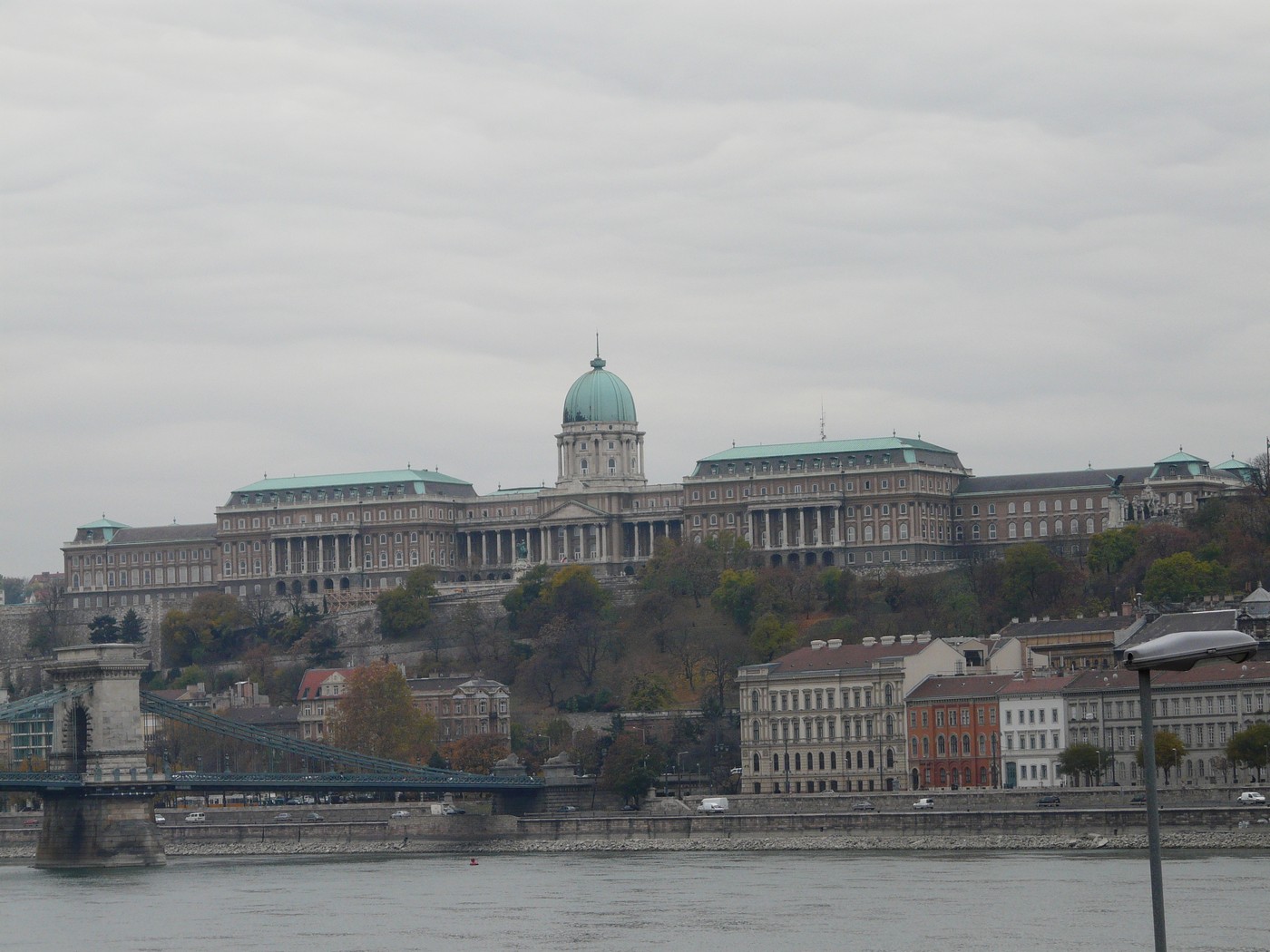
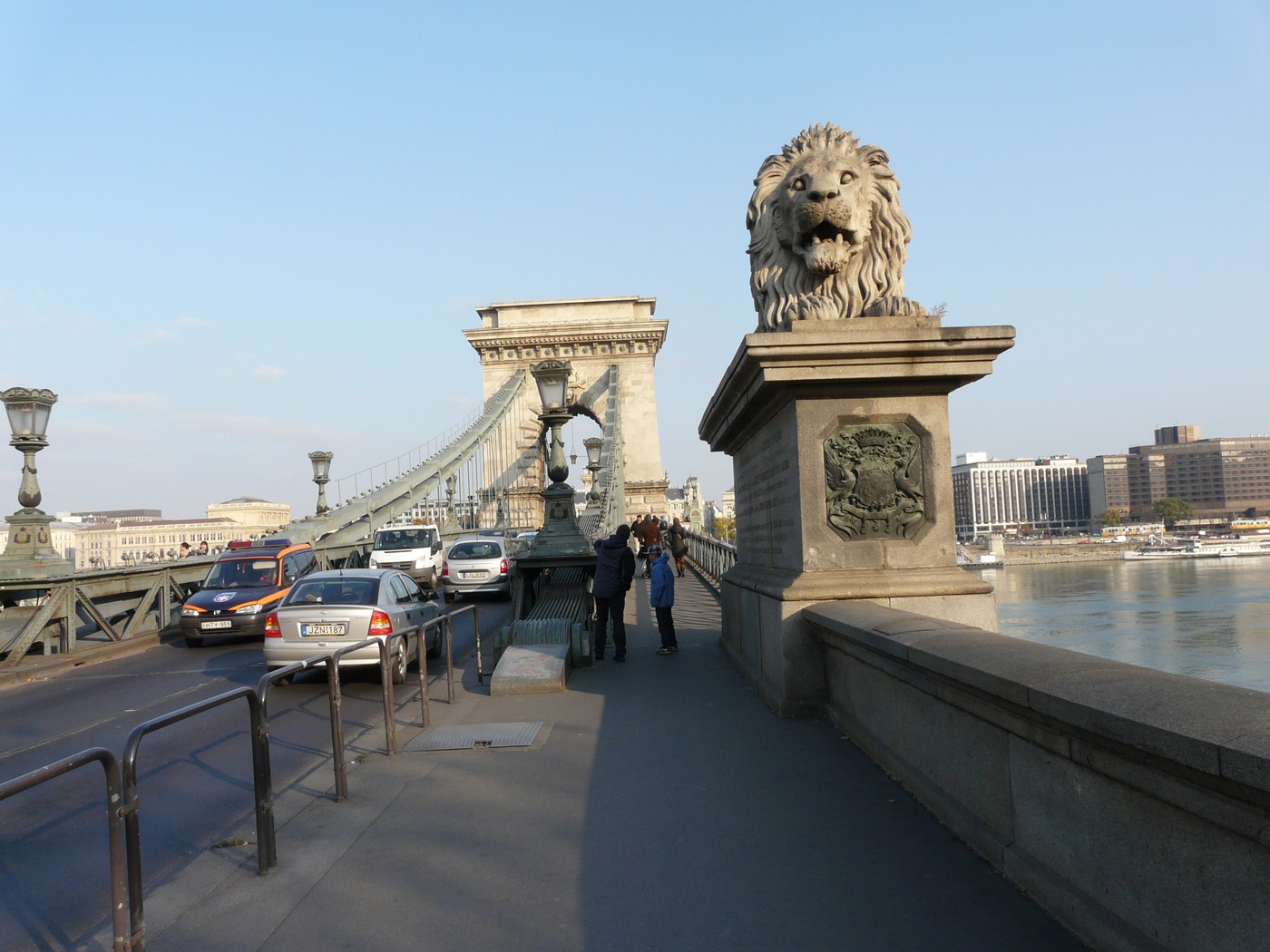
The oldest and most famous of Budapest’s eight bridges, it was built in the 1840s and named in honor of 19th-century Hungarian reformer István Széchenyi.
The coronation insignia of the kings of Hungary from the 11th century until 1918. A national relic and symbol of Hungarian statehood, it is preserved in the Parliament building in Budapest.